
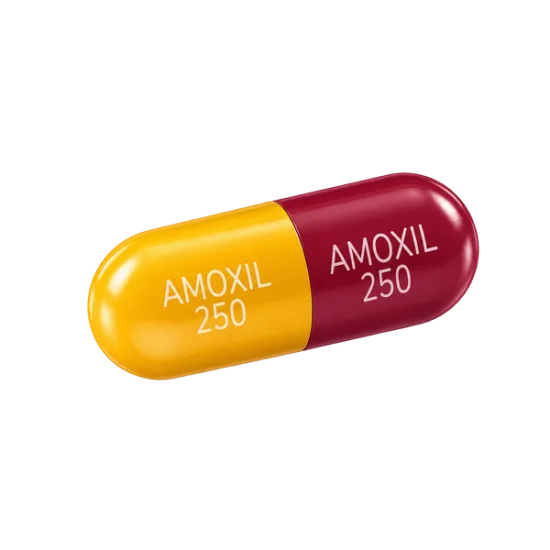
Amoxil
Active ingredient: Amoxicillin
Delivery: from 4 days
- Only original products
- Worldwide Delivery
- 24/7 Support
Amoxil is intended for patients with diagnosed or strongly suspected bacterial infections where amoxicillin is an appropriate treatment. It contains amoxicillin, a penicillin-class antibiotic that interferes with bacterial cell-wall formation.
Product information
Amoxil has no effect on viral illnesses such as influenza or most uncomplicated colds. Amoxil is not for you if you have had a severe immediate reaction to a penicillin or if a clinician has not identified a likely bacterial infection.
Therapeutic indications
Amoxil is used for bacterial infections, not viral infections. Antibiotic treatment should match the suspected organism, the infection site, local resistance patterns, and the patient’s allergy history. The World Health Organization and NICE identify appropriate antibiotic selection and adherence as core elements of antimicrobial stewardship [1].
Bacterial and viral illness
A sore throat, cough, blocked nose, or fever does not automatically indicate a bacterial infection. Viruses can produce the same symptoms. Amoxicillin cannot shorten influenza, most viral bronchitis, or an uncomplicated viral cold.
A bacterial diagnosis may be based on examination, a rapid test, a culture, imaging, or a combination of clinical findings. Taking an antibiotic for a viral illness exposes the patient to possible adverse effects without treating the cause.
How it affects the body
Amoxicillin attaches to bacterial penicillin-binding proteins. These proteins help construct and maintain the bacterial cell wall. When this process is blocked, vulnerable bacteria lose structural integrity and die. Human cells do not have bacterial cell walls, which explains why this mechanism can target bacteria without attacking human tissue in the same way. This action depends on bacterial susceptibility. It does not treat viral infections.
When not to use it
Amoxil is not suitable for a person with a previous severe immediate reaction to amoxicillin, penicillin, or a related beta-lactam antibiotic. It also should not be used for a known viral illness without evidence of bacterial infection.
Extra caution is needed with:
- kidney impairment, because dosing intervals may require adjustment;
- a history of antibiotic-associated colitis;
- infectious mononucleosis, where amoxicillin is associated with a high likelihood of rash;
- pregnancy or breastfeeding, where the prescriber weighs the infection against treatment considerations;
- medicines that may interact with amoxicillin.
Warfarin and other anticoagulants may require closer monitoring because antibiotic treatment can alter anticoagulation control in some patients. Allopurinol may increase the likelihood of an amoxicillin-associated rash. Methotrexate toxicity may increase when methotrexate is combined with some penicillin antibiotics.
When this is not for you
Amoxil is not for you if you have had a severe immediate reaction to a penicillin or if a clinician has not identified a likely bacterial infection. Tell the prescriber about any previous reaction to penicillin, amoxicillin, or other beta-lactam antibiotics. A widespread itchy rash, facial swelling, wheezing, or collapse after a previous dose requires urgent medical attention.
Possible side effects
Common adverse effects of amoxicillin include nausea, loose stools, abdominal discomfort, and skin rash. Mild gastrointestinal symptoms often improve during or shortly after treatment. Taking the medicine with suitable food may help some patients tolerate stomach discomfort, provided this fits the prescribed instructions.
A rash needs careful interpretation. A mild delayed rash can occur for several reasons, including the infection itself, while hives, swelling, wheezing, or sudden dizziness may indicate an immediate allergic reaction.
Contact a clinician promptly for:
- severe or persistent diarrhoea;
- blood or mucus in the stool;
- facial, lip, tongue, or throat swelling;
- difficulty breathing;
- blistering or peeling skin;
- yellowing of the skin or eyes;
- unusual bruising or marked weakness.
Antibiotic-associated diarrhoea can occur during treatment or after the course has finished. Severe watery diarrhoea or abdominal cramping may indicate Clostridioides difficile infection and should not be self-treated with anti-diarrhoeal products without medical advice.
One detail patients often miss is that oral antibiotics can disrupt normal intestinal bacteria. Another is that a new rash during treatment should be documented with its timing and symptoms, because that information affects future antibiotic choices.
Ingredients
Amoxil contains amoxicillin, a beta-lactam antibiotic in the penicillin family. It is supplied as oral capsules and is prescribed for susceptible bacterial infections affecting areas such as the respiratory tract, ears, sinuses, urinary tract, skin, and throat.
Dosage and administration
How much Amoxil to use and how often depends on the purpose of treatment and is agreed with a doctor or pharmacist. The prescribed schedule may vary according to the infection, age, kidney function, severity, and the bacteria being treated.
- Take the capsules by mouth at the prescribed intervals.
- Swallow each capsule with water.
- Complete the prescribed course unless a clinician changes the plan.
- Do not share Amoxil with another person.
- Do not double the next dose after a missed dose.
- If a dose is missed, take it when remembered unless the next scheduled dose is close; in that situation, skip the missed dose and continue the usual schedule.
- Seek medical advice if vomiting prevents the medicine from staying down.
Food may be taken according to the prescribed directions, but consistent timing helps maintain exposure to the antibiotic. A phone reminder can help when doses fall during work, sleep, or travel.
Do not crush or chew capsules unless a healthcare professional has provided a suitable alternative. Capsules are intended to be swallowed as supplied, and opening them can create problems with taste, handling, or accurate administration.
Comparison
Amoxicillin is not interchangeable with every antibiotic. If a patient has a serious penicillin allergy, the infection is caused by a resistant organism, or the suspected bacteria require different coverage, the prescriber may select another class.
The choice depends on the infection rather than on the brand name alone.
| Treatment category | Active substance or class | Typical clinical role |
|---|---|---|
| Amoxil | Amoxicillin; penicillin | Susceptible respiratory, ear, throat, urinary, skin, and dental infections |
| Cephalosporin option | Cephalexin or another cephalosporin | Selected skin, throat, or urinary infections |
| Macrolide option | Azithromycin or clarithromycin | Selected respiratory infections when a macrolide is appropriate |
Cephalexin may be selected for some cases of streptococcal throat infection or cellulitis. It still belongs to the beta-lactam family, so a history of severe immediate penicillin allergy needs careful assessment before use.
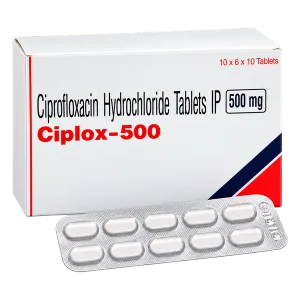
Azithromycin is a macrolide that interferes with bacterial protein production. It may be considered for selected respiratory infections or for patients who cannot take a penicillin, although resistance and heart-rhythm risks influence the decision. Doxycycline acts on bacterial protein synthesis and may be used for selected sinus infections, pneumonia, or Lyme disease, subject to age, pregnancy, and infection-specific restrictions.
A combination of amoxicillin with clavulanic acid is used in some infections where beta-lactamase-producing bacteria are suspected. Clavulanic acid protects amoxicillin from certain bacterial enzymes. This combination is broader than plain amoxicillin and can cause more gastrointestinal adverse effects, so broader coverage does not automatically make it the better choice.
Cephalosporin and Macrolide Antimicrobial Substitutes
Cephalosporins and macrolides have different mechanisms, coverage patterns, and interaction profiles. Cefdinir may be used for selected respiratory infections and urinary tract infections. Cefuroxime axetil is another cephalosporin used for susceptible respiratory, sinus, urinary, and skin infections. Cefixime may be selected in specific situations when its bacterial coverage fits the diagnosis.
Clarithromycin is a macrolide related pharmacologically to azithromycin. It can be prescribed for certain respiratory infections and may interact with several medicines through effects on liver enzymes. The patient’s existing treatment list matters.
A substitute should be chosen after considering:
- the suspected or confirmed bacteria;
- the infection site and severity;
- previous antibiotic exposure;
- local resistance patterns;
- kidney and liver function;
- pregnancy or breastfeeding;
- previous allergy symptoms;
- interactions with regular medicines.
The European Medicines Agency describes antibiotic selection as a balance between expected bacterial coverage, patient factors, and the risk of adverse reactions [2]. A drug that helped with a previous infection may be unsuitable for a new illness.
Common mistakes
Several avoidable mistakes make antibiotic treatment less reliable:
- using Amoxil for a cold or influenza;
- taking doses only when symptoms feel severe;
- stopping after early improvement without a prescribed change;
- doubling a dose after forgetting one;
- sharing capsules with a family member;
- combining Amoxil with a second antibiotic without instructions;
- ignoring severe diarrhoea;
- failing to mention a previous penicillin reaction;
- continuing strenuous activity despite fever, dehydration, or worsening infection;
- assuming a leftover antibiotic is suitable for a new diagnosis.
Exercise does not directly deactivate amoxicillin, but strenuous training can be unhelpful when fever, dehydration, pneumonia, or significant weakness is present. Rest and fluid intake support recovery while the underlying infection is treated.
What doctors say
In clinical practice, doctors usually assess the infection site before choosing amoxicillin. A medicine that is appropriate for streptococcal throat infection may not provide suitable coverage for every sinus, dental, urinary, or skin infection.
Prescribers also ask what happened during previous antibiotic reactions. Nausea is different from facial swelling and breathing difficulty; both matter, but they do not carry the same allergy implications.
A clinician would expect symptoms to improve gradually rather than immediately. Persistent fever, worsening pain, breathing difficulty, or spreading inflammation can indicate treatment failure or a complication and may require examination, testing, drainage, or a different antibiotic.
The FDA prescribing information for amoxicillin describes allergic reactions, gastrointestinal effects, and the need to select treatment according to susceptible bacteria [3].
Common questions
What should I do after missing an Amoxil dose?
Take the missed dose when remembered unless the next scheduled dose is close, in which case skip it and continue the usual schedule. Do not take two doses together to compensate. The NHS antibiotic guidance available in 2025 uses this approach for missed doses while stressing adherence to the prescribed course [4]. Seek advice if repeated vomiting or several missed doses make the schedule difficult to follow.
Which habits support recovery while using Amoxil?
Rest, adequate fluids, and regular meals can help a patient manage fever, reduced appetite, and stomach discomfort. Gentle activity may be reasonable when symptoms are mild, while strenuous exercise is unsuitable during significant fever, dehydration, breathing difficulty, or marked weakness. The WHO antimicrobial-stewardship principles in 2025 continued to support using antibiotics for bacterial disease rather than viral symptoms. Alcohol does not treat an infection and may worsen nausea or dehydration, so limiting it during illness is sensible.
Can Amoxil capsules be split, crushed, or chewed?
Amoxil capsules should be swallowed with water rather than split, crushed, or chewed. Opening a capsule can make administration inaccurate and may expose the mouth to an unpleasant-tasting powder. The EMA product information framework requires oral medicines to be used according to their pharmaceutical form, and capsule instructions remain relevant in 2025. If swallowing is difficult, the prescriber or pharmacist can select a suitable formulation instead of altering the capsule.
How long does an Amoxil course last, and is long-term use acceptable?
The duration depends on the infection, response, age, kidney function, and clinical assessment. Amoxil should be taken for the prescribed duration, with no self-directed extension or reuse for another illness. The FDA label reviewed in 2025 describes duration as dependent on the type and severity of infection and the patient’s response. Longer treatment may be justified in selected infections, but prolonged use increases the opportunity for adverse effects and resistance.
How does Amoxil differ from the closest antibiotic alternatives?
Amoxil contains amoxicillin, which blocks bacterial cell-wall synthesis. Cephalexin is a cephalosporin with a related beta-lactam mechanism, while azithromycin and clarithromycin are macrolides that inhibit bacterial protein production; doxycycline also acts on protein synthesis. EMA antimicrobial guidance in 2025 supports selecting among these classes according to the suspected organism, allergy history, infection site, and resistance pattern. A different class is not automatically stronger or more suitable.
Can people under 18 use Amoxil?
Children and teenagers may receive amoxicillin when a prescriber determines that a bacterial infection is present and selects an age-appropriate regimen. The amount and frequency depend on factors such as body weight, infection, kidney function, and formulation. WHO paediatric antibiotic principles in 2025 supported weight-appropriate prescribing rather than using an adult schedule. A child with breathing difficulty, dehydration, unusual sleepiness, or a rapidly spreading rash needs urgent medical assessment.
Do you offer anonymous delivery?
Your order will be securely packed and shipped within 24 hours. This is exactly what your package will look like (images of an actual item sent). It has the size and look of a regular private letter (24x11x0.7 cm) and its contents cannot be seen.
Comparison


How Buyers Rate Amoxil
-
Zubair, 51 Khalifa City · The prescribed course 16 Nov 2026Rating: 3 out of 5I used Amoxil capsules at the prescribed dose for the prescribed course for a throat infection. The pain and fever eased after a few days, but I had loose stools during the course, so I kept meals simple and finished the prescribed treatment. It helped, although the stomach effect was inconvenient.
-
James, 63 Mirdif · The prescribed course 23 Nov 2026Rating: 4 out of 5Amoxil was taken at the prescribed dose for the prescribed course for a dental infection. The swelling started to settle within several days, and eating became easier. I had no difficulty taking the capsules and was satisfied with the result.
-
Daniel, 40 Madinat Zayed · The prescribed course 25 Oct 2026Rating: 4 out of 5I took Amoxil at the prescribed dose for the prescribed course for a bacterial sinus infection. The pressure behind my cheeks eased during the course, and I was able to return to normal work. The improvement was gradual rather than immediate, but it was clear by the end of treatment.
Sources
- World Health Organization (2023). Antimicrobial resistance.
- European Medicines Agency (2024). Summary of Product Characteristics (SmPC) — amoxicillin.
- U.S. Food and Drug Administration (2024). Amoxicillin prescribing information.
- National Health Service (2024). Antibiotics.
