
Methotrexate
Active ingredient: Methotrexate
Delivery: from 4 days
- Only original products
- Worldwide Delivery
- 24/7 Support
Methotrexate reduces overactive immune activity and inflammation in conditions such as rheumatoid arthritis, psoriasis, and psoriatic arthritis. It is used for adults who need disease-modifying treatment rather than short-term symptom relief.
Product information
Methotrexate is a disease-modifying antirheumatic drug, commonly shortened to DMARD. It also has immunosuppressant activity, meaning it reduces selected immune processes that drive inflammation and tissue damage.
Therapeutic indications
Doctors use methotrexate in rheumatology for rheumatoid arthritis, psoriatic arthritis, juvenile inflammatory arthritis, and other immune-mediated disorders. Dermatology teams may prescribe it for severe psoriasis or related inflammatory skin disease when local treatments are insufficient. The medicine may also be used in other specialist settings, including certain cancers and ectopic pregnancy, but the dose and treatment protocol differ greatly from inflammatory disease treatment.
Unlike non-steroidal anti-inflammatory drugs, methotrexate does more than reduce pain or swelling for a few hours. As a DMARD, it aims to reduce disease activity and limit progressive joint damage over time. The American College of Rheumatology describes methotrexate as a key conventional DMARD for inflammatory arthritis [1].
How it affects the body
Methotrexate is a folate antagonist. It interferes with folate-dependent biochemical pathways that immune cells need for rapid division and inflammatory signalling. At the low weekly doses used in rheumatology, its anti-inflammatory activity is also linked to increased extracellular adenosine, a molecule that helps quiet inflammatory responses.
The result is gradual suppression of excessive immune activity. Joint tenderness, swelling, morning stiffness, skin plaques, and fatigue may improve as inflammation falls. The same mechanism explains several precautions. Healthy blood-forming cells, liver cells, and the lining of the mouth and digestive tract can also be affected.
When not to use it
Methotrexate is not suitable for everyone. This medication is not for you if any of the following applies unless a specialist has established a carefully controlled alternative plan:
- Pregnancy, when methotrexate is being used for inflammatory disease.
- Breastfeeding during treatment.
- Significant liver disease, hepatic fibrosis, or heavy alcohol use.
- Severe kidney impairment or rapidly changing kidney function.
- Active serious infection.
- Severe anaemia, low white-cell counts, or low platelet counts.
- Known hypersensitivity to methotrexate.
- Inability to complete required blood monitoring.
- Certain immune deficiencies or serious bone-marrow disorders.
When this is not for you
Talk with a specialist before using methotrexate if you are pregnant, breastfeeding, have liver or kidney problems, drink heavily, have a serious infection, or have low blood counts. You also need a reliable contraception plan and must be able to attend regular blood tests. Tell the treatment team about dehydration, vaccination plans, previous liver problems, and every medicine or supplement you take.
Possible side effects
Methotrexate can control inflammatory disease, but it has a narrow safety margin in some patients. Toxicity is more likely when kidney clearance is reduced, doses are taken too often, or interacting medicines increase methotrexate exposure.
| Pattern | Possible effects | Action |
|---|---|---|
| Common or dose-related | Nausea, reduced appetite, tiredness, headache, mouth soreness, mild hair thinning | Report persistent symptoms and discuss folic acid or dose adjustments |
| Blood or liver toxicity | Unusual bruising, bleeding, severe fatigue, yellow skin, dark urine, marked itching | Prompt medical assessment and blood testing |
| Serious infection or mucositis | Fever, sore throat, breathlessness, painful mouth ulcers, severe diarrhoea | Urgent medical evaluation |
Mouth ulcers can be an early sign of excessive exposure, especially when they occur with sore throat, fever, or unusual tiredness. Methotrexate-induced mucositis may progress quickly and should not be treated as an ordinary mouth ulcer.
Myelosuppression means reduced production of blood cells in the bone marrow. It can cause anaemia, low white-cell counts, or low platelets. The practical warning signs include breathlessness, repeated infections, fever, nosebleeds, or bruising without a clear injury.
Liver toxicity may develop without obvious symptoms, which is why liver-function tests remain necessary even when a person feels well. Alcohol, obesity, diabetes, viral hepatitis, and other hepatotoxic medicines can increase concern.
Nausea may improve when the weekly dose is taken after food, provided the prescriber has not given different instructions. Folic acid supplementation, a dose adjustment, or a switch to subcutaneous treatment may help when digestive effects persist.
Alcohol can add to methotrexate-related liver stress. Complete avoidance is often the simplest approach, especially when liver tests are abnormal, the person has liver disease, or treatment is intensive.
Penicillin antibiotics can reduce renal tubular secretion of methotrexate and raise its concentration. This methotrexate and penicillin interaction may require an alternative antibiotic, temporary treatment interruption, or closer blood monitoring.
Other medicines that need review include:
- Non-steroidal anti-inflammatory drugs, especially with kidney impairment or dehydration.
- Trimethoprim or co-trimoxazole, which can increase bone-marrow toxicity.
- Proton-pump inhibitors in selected patients with reduced kidney function.
- Other medicines that affect the liver or bone marrow.
- Some antiepileptic medicines and immunosuppressants.
- Herbal products with uncertain liver or kidney effects.
The combination of methotrexate and alcohol is a liver-safety issue, not merely a question of reduced treatment benefit. NSAIDs may be used in selected patients, but the prescriber must consider kidney function, hydration, gastrointestinal bleeding risk, and the methotrexate schedule.
Ingredients
The active substance is methotrexate. The product is an oral tablet intended for disease-modifying treatment and immunosuppressive therapy in selected inflammatory and immune-mediated conditions. The amount per intake is set individually for each person according to the treatment protocol.
Dosage and administration
Methotrexate is available as oral tablets and as a subcutaneous injection in specialist treatment pathways. The tablets sold on this page are swallowed by mouth. Injection protocols use a different route and require suitable clinical instruction.
| Route | Practical characteristics | Common clinical use |
|---|---|---|
| Oral tablets | Convenient at home, though nausea or absorption problems can limit use | Initial treatment and ongoing rheumatology therapy |
| Subcutaneous injection | Bypasses much of the gastrointestinal route and may provide more predictable absorption at higher doses | Intolerance, inadequate response, or absorption concerns |
Oral methotrexate is often selected because it avoids injection equipment and can fit a stable weekly routine. Subcutaneous methotrexate may be considered when oral treatment causes persistent nausea, when absorption is unreliable, or when disease control remains inadequate despite appropriate tablet use.
A switch from oral methotrexate to subcutaneous methotrexate is not a simple tablet-for-injection substitution. The clinician selects the dose, route, and monitoring plan together. The oral methotrexate protocol used in rheumatology therefore differs from a parenteral methotrexate protocol, even though the active substance is the same.
Methotrexate tablets for inflammatory disease are taken once weekly, not every day. The exact amount per intake is selected individually according to the condition, treatment response, kidney function, age, blood-test results, and other medicines.
- Choose one fixed weekday for the dose.
- Take the prescribed weekly amount on that day.
- Swallow the tablets as directed with water.
- Do not take extra tablets because symptoms remain active.
- Do not convert the weekly dose into daily doses.
- If a dose is missed, follow the prescriber’s specific missed-dose plan rather than doubling the next dose.
Do not crush or redistribute tablets to create a different weekly amount unless a prescriber or dispensing professional has provided a suitable plan. Methotrexate tablets are potent, and accidental skin or eye exposure to crushed material should be washed away promptly.
Nausea may improve when the weekly dose is taken after food, provided the prescriber has not given different instructions.
Comparison
Methotrexate is often used as an anchor DMARD in inflammatory arthritis. Alternatives may be selected when it is unsuitable, poorly tolerated, or insufficient on its own.
| Treatment category | Main role and route | Key limitation |
|---|---|---|
| Methotrexate | Conventional DMARD; oral tablets or subcutaneous injection | Liver, blood-count, kidney, infection, and pregnancy precautions |
| Leflunomide, sulfasalazine, sulphasalazine, or azathioprine | Conventional oral DMARD options for selected inflammatory diseases | Each has distinct liver, blood, gastrointestinal, or reproductive risks |
| Etanercept, infliximab, abatacept, rituximab, or tocilizumab | Biologic therapies, usually injectable or infused | Infection screening, immune-related risks, and specialist monitoring |
Anti-TNF therapies such as etanercept and infliximab may be considered when conventional DMARD treatment does not control disease. Abatacept, rituximab, and tocilizumab act through different immune pathways and are chosen according to diagnosis, previous treatment, infection risk, and clinical response.
Mycophenolate mofetil and cyclophosphamide are targeted immunosuppressants used in selected autoimmune or systemic inflammatory disorders rather than as routine substitutes for every patient with rheumatoid arthritis. Their toxicity profiles and monitoring needs differ substantially.
Methotrexate may be used alone or combined with another DMARD or biologic. A specialist weighs disease severity, pregnancy plans, liver and kidney function, infection history, vaccination status, and personal treatment goals before changing therapy.
Common mistakes
Several practical errors repeatedly cause avoidable problems:
- Taking methotrexate daily instead of weekly.
- Taking a missed dose and then repeating the next dose too soon.
- Forgetting folic acid or taking it on the same day despite a separate prescribed schedule.
- Continuing treatment during a serious infection without reporting symptoms.
- Starting an antibiotic, NSAID, or herbal product without a medication-interaction review.
- Missing blood tests because the person feels well.
- Drinking heavily while liver enzymes are being monitored.
- Assuming nausea is harmless when mouth ulcers, fever, or bruising occur.
- Stopping contraception immediately after the final dose.
- Sharing tablets or giving them to another person with similar symptoms.
One overlooked error is failing to mention over-the-counter painkillers. A medicine purchased for a headache or joint flare can still affect kidney function or methotrexate clearance.
Another is confusing the weekly day after travel, hospital admission, or a change in work shifts. A written weekly plan reduces this risk.
What doctors say
In clinical practice, doctors usually describe methotrexate as a long-term disease-control treatment rather than a rapid painkiller. Improvement may build gradually, and early nausea or fatigue does not automatically mean the medicine will fail.
Rheumatologists often begin with a carefully selected weekly amount, then adjust it according to symptoms, examination findings, and laboratory results. Folic acid is commonly added because it can reduce several unwanted effects while allowing treatment to continue.
The main advantage is disease modification. The main limitation is the need for laboratory follow-up and the possibility of liver, blood, lung, kidney, or infection-related complications. A good response still requires regular review.
Methotrexate should not be stopped abruptly without a treatment plan when inflammatory disease is controlled. Stopping can allow inflammation to return, while continuing during a serious infection can increase harm. The correct decision depends on the illness, infection severity, blood results, and treatment indication.
Common questions
Which diet, exercise, and daily habits support methotrexate treatment?
NICE and the WHO support broader lifestyle measures alongside medical treatment for inflammatory disease, including suitable physical activity, smoking cessation, weight management, and balanced nutrition in 2026. There is no special diet that replaces methotrexate or guarantees a faster response. Regular movement adapted to pain and mobility can help preserve joint function, while heavy alcohol intake can increase liver risk. A pharmacist or prescriber should review supplements because some products can affect the liver, kidneys, or immune system.
Can methotrexate affect driving, concentration, or machinery work?
The EMA advises attention to dizziness, tiredness, blurred vision, and other symptoms that may impair driving or machinery operation; this guidance can inform workplace planning in 2026. Many people remain able to work normally, but the first doses or a dose increase may reveal fatigue or nausea. Do not drive or operate machinery if concentration, vision, balance, or alertness is affected. Severe weakness, breathlessness, or confusion requires urgent medical assessment rather than simply reducing work activity.
How long does a methotrexate course last, and is long-term use acceptable?
NICE treats methotrexate as a possible long-term DMARD when it controls inflammatory disease and monitoring remains acceptable; this approach can apply to clinical care in 2026. Treatment may continue for months or years, with periodic review rather than a fixed universal end date. The course can be adjusted, paused, or changed if blood tests, pregnancy plans, infection, kidney function, or liver results create a safety concern. Long-term use requires ongoing laboratory monitoring even after symptoms improve.
What should happen if the expected result does not appear?
The American College of Rheumatology recommends assessing disease activity, adherence, tolerability, and laboratory results before deciding whether methotrexate has failed; this approach can guide treatment review in 2026. A slow response may reflect insufficient treatment time, missed weekly doses, poor absorption, an incorrect diagnosis, or disease that needs combination therapy. Do not increase the amount independently or take tablets more often. Persistent inflammation may lead the specialist to adjust the dose, change the route, add another DMARD, or select a biologic treatment.
Do you offer anonymous delivery?
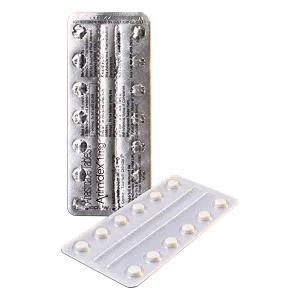
Your order will be securely packed and shipped within 24 hours. This is exactly what your package will look like (images of an actual item sent). It has the size and look of a regular private letter (24x11x0.7 cm) and its contents cannot be seen.
Comparison

How Buyers Rate Methotrexate
-
Nadeem, 44 Kalba · Several weeks 17 Nov 2026Rating: 4.5 out of 5I used the prescribed weekly dose on the same weekday each week. After several weeks of treatment, morning stiffness was much easier and daily movement felt less restricted. The routine became simple once I linked it to my weekly calendar.
-
Arjun, 69 Ras Al Khaimah · Several weeks 23 Nov 2026Rating: 5 out of 5Methotrexate at the prescribed weekly dose gradually reduced the swelling in my hands. I noticed the change over several weeks rather than after the first tablet, but the improvement made ordinary tasks more manageable. I was satisfied with the result.
-
James Z., 66 Khalifa City · Several weeks 25 Oct 2026Rating: 3 out of 5The prescribed weekly treatment helped my joint symptoms, although nausea was noticeable after some weekly doses. Taking it after a light meal helped a little, and the slower improvement over several weeks meant I needed patience before deciding how well it was working.
-
Rajesh H., 29 Mirdif · Several weeks 3 Nov 2026Rating: 5 out of 5The prescribed weekly tablets fitted easily into my routine because I used one fixed day every week. After several weeks of treatment had given it time to work, skin inflammation became less troublesome and I felt more comfortable continuing the plan.
Sources
- American College of Rheumatology (2021). 2021 American College of Rheumatology Guideline for the Treatment of Rheumatoid Arthritis.
