
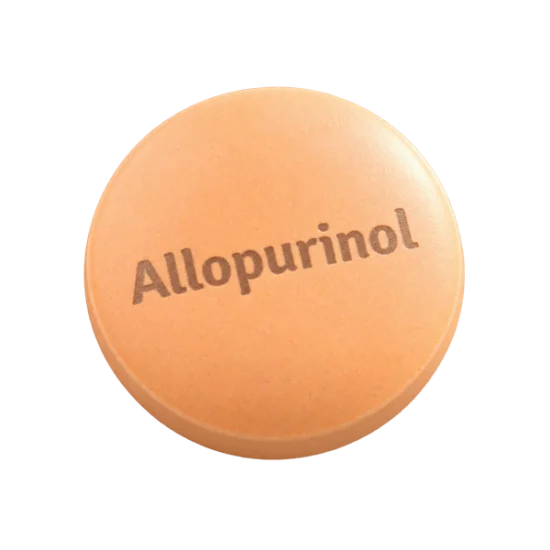
- Only original products
- Worldwide Delivery
- 24/7 Support
Allopurinol reduces uric acid production by blocking an enzyme involved in purine metabolism. It is used for adults with chronic gout, persistent hyperuricaemia, and selected uric-acid kidney conditions. Regular treatment helps prevent crystal build-up in joints and tissues over time.
Product information
Allopurinol is a xanthine oxidase inhibitor. Its active substance changes the final stages of purine metabolism, a natural process that produces uric acid when the body breaks down purines from cells and food.
Therapeutic indications
Allopurinol is used when reducing uric acid is clinically necessary. Treatment decisions depend on gout history, serum urate, kidney function, stone history, and other medical conditions.
Its main therapeutic uses include:
- Chronic gout with recurrent attacks or visible urate deposits.
- Hyperuricaemia associated with ongoing uric-acid crystal formation.
- Prevention of uric acid kidney stones in suitable patients.
- Uric acid nephropathy associated with high cell turnover, when prescribed for that purpose.
- Reduction of high uric acid levels during selected cancer treatments that rapidly break down cells.
| Clinical condition | Main treatment objective |
|---|---|
| Chronic gout | Lower serum urate and prevent crystal accumulation |
| Uric-acid kidney stones | Reduce urinary uric acid and limit new stone formation |
| Uric acid nephropathy | Reduce uric acid burden affecting the kidneys |
Management of Chronic Gout and Hyperuricaemia
For chronic gout, the target is usually a sustained serum urate level below 6 mg/dL, with a lower target sometimes used when tophi or severe disease are present. Serum urate is measured in the blood, while urinary uric acid refers to the amount eliminated through urine.
Lowering urate over time can reduce gout attacks and help dissolve urate deposits. The process is gradual. A person may still experience attacks after starting treatment because changing urate concentrations can disturb old crystal deposits.
Prevention of Uric Acid Nephropathy and Kidney Stones
High urinary uric acid can support the formation of uric-acid stones. Allopurinol lowers uric acid production, which may reduce the amount reaching the urine.
Uric acid nephropathy can occur when a large amount of uric acid places stress on the kidneys. This risk is relevant during states of high cell turnover, including some cancer treatments. The treatment plan in that setting differs from routine chronic gout care and requires close clinical monitoring.
How it affects the body
Allopurinol is a xanthine oxidase inhibitor. Its active substance changes the final stages of purine metabolism, a natural process that produces uric acid when the body breaks down purines from cells and food.
High uric acid levels can lead to monosodium urate crystals. These crystals may collect in joints, kidneys, and other tissues, contributing to gout attacks and uric-acid kidney stones.
Inhibition of Xanthine Oxidase
Xanthine oxidase converts hypoxanthine into xanthine and then converts xanthine into uric acid. Allopurinol and its active metabolite, oxypurinol, inhibit this enzyme.
The result is a reduction in uric acid production. Serum urate can then fall gradually, which helps limit new crystal formation and supports the slow dissolution of existing deposits. The FDA prescribing information describes this enzyme-blocking action as the basis for allopurinol’s urate-lowering effect [1].
Reduction of Purine Metabolites
The pathway can be understood in three steps:
- Hypoxanthine is formed during purine breakdown.
- Xanthine oxidase converts hypoxanthine into xanthine.
- The same enzyme converts xanthine into uric acid.
Allopurinol interrupts the last two steps.
When not to use it
This medication is not for you if you have previously experienced a serious hypersensitivity reaction to Allopurinol or oxypurinol. It also requires special assessment when kidney disease, liver disease, blood disorders, or a previous drug rash is present.
Important situations include:
- Current treatment with azathioprine or mercaptopurine, because Allopurinol can greatly increase exposure to these medicines.
- Use of warfarin, where closer anticoagulation monitoring may be required.
- Use of certain antibiotics, including ampicillin or amoxicillin, which may increase the chance of a rash.
- Use of thiazide diuretics in a person with reduced kidney function.
- Pregnancy or breastfeeding, where the expected benefit and alternatives need individual review.
- Previous severe reaction to another medicine that affects purine metabolism.
Allopurinol should not be started during dehydration or an unstable acute illness without a clear prescribing plan.
When this is not for you
Allopurinol may not be suitable for you if you have ever had a serious reaction to Allopurinol or oxypurinol. Tell a doctor before treatment if you have kidney or liver disease, a blood disorder, or a previous medicine-related rash. You also need medical advice if you take azathioprine, mercaptopurine, warfarin, certain antibiotics, or thiazide diuretics, or if you are pregnant or breastfeeding.
Possible side effects
Allopurinol can cause gastrointestinal symptoms such as nausea, vomiting, or diarrhoea. These effects may be mild and temporary, but persistent symptoms can lead to dehydration and should not be ignored.
Skin reactions require a different level of attention. A new rash after starting Allopurinol may be an early sign of a severe cutaneous adverse reaction, including Stevens–Johnson syndrome, toxic epidermal necrolysis, or drug reaction with eosinophilia and systemic symptoms.
Stop taking Allopurinol and obtain urgent medical assessment if a rash appears, especially when it occurs with:
- Fever or flu-like symptoms.
- Facial swelling.
- Blistering or peeling skin.
- Mouth, eye, or genital ulcers.
- Painful skin.
- Swollen glands.
- Yellowing of the skin or eyes.
- Unusual bruising or marked weakness.
The reaction may begin as a small area of redness, so waiting for extensive blistering is unsafe. The risk is higher in some people with the HLA-B*58:01 genetic variant, and the American College of Rheumatology addresses genetic risk assessment in selected populations [2].
Ingredients
Allopurinol contains the active substance allopurinol, a xanthine oxidase inhibitor. It reduces uric acid production by changing the final stages of purine metabolism. The amount used and how often it is taken depend on the treatment purpose and are agreed with a doctor or pharmacist.
Dosage and administration
The amount of Allopurinol used and how often it is taken depend on the purpose of treatment and are agreed with a doctor or pharmacist. The dose is usually introduced cautiously and adjusted according to serum uric acid, kidney function, age, and tolerability.
- Take the prescribed dose at the same time each day.
- Swallow the tablets with water.
- Taking Allopurinol after food may reduce stomach discomfort.
- Drink enough fluid unless a clinician has restricted your fluid intake.
- Do not increase the dose to treat sudden joint pain.
- If a dose is missed, take it when remembered unless the next dose is near; do not double the next dose.
For chronic gout, gradual upward titration is used instead of starting with a high maintenance dose. This approach can reduce the chance of early intolerance and helps account for differences in renal clearance.
Kidney impairment can slow the removal of oxypurinol, so renal function affects dose selection. Older adults may also need a cautious starting plan because reduced kidney function can be present even without obvious symptoms.
Comparison
Pharmacological alternatives are selected by mechanism rather than by tablet appearance. A xanthine oxidase inhibitor reduces uric acid production, while a uricosuric approach increases renal excretion of uric acid. The latter may be unsuitable for some people with kidney stones or reduced kidney function.
| Approach | Main action | Main limitation |
|---|---|---|
| Allopurinol-type xanthine oxidase inhibition | Reduces uric acid production | Requires gradual adjustment and monitoring |
| Another xanthine oxidase inhibitor | Also reduces uric acid production | May have different cardiovascular, hepatic, or interaction considerations |
| Uricosuric treatment | Increases urinary uric acid elimination | May be unsuitable with certain kidney conditions or stone histories |
Allopurinol remains a common first-line urate-lowering choice because it addresses uric acid production and can be adapted to kidney function. Alternative treatment is considered when there is intolerance, inadequate control, or a clinical reason to select another mechanism.
Common mistakes
Several avoidable habits can make treatment appear unsuccessful:
- Taking Allopurinol only when a joint starts to hurt.
- Stopping it whenever a gout flare begins without following the prescribing plan.
- Increasing the dose independently after one high urate result.
- Doubling the next dose after a missed tablet.
- Ignoring a new rash because it seems mild.
- Forgetting to mention kidney disease or previous medicine-related rashes.
- Drinking too little fluid when fluid restriction has not been prescribed.
- Expecting diet changes alone to reverse established urate deposition.
- Failing to attend follow-up blood tests during titration.
- Taking azathioprine or mercaptopurine without telling the prescriber.
One detail patients often miss is the difference between urate lowering and pain control. Allopurinol changes the biochemical source of uric acid; it is not a fast-acting anti-inflammatory tablet.
What doctors say
In clinical practice, doctors usually frame Allopurinol as preventive treatment. The aim is to reduce urate exposure over months and years, protect joints, and lower the chance of recurrent crystal-related disease.
A physician will usually review whether the patient has recurrent gout, tophi, kidney stones, kidney impairment, or a high-risk condition involving rapid cell breakdown. The same tablet can therefore be used in different clinical situations, with different dosing plans and monitoring requirements.
Consistency matters because missed doses allow urate control to fluctuate. The medicine also works best when the underlying treatment target is clear. A patient with frequent attacks may need both urate-lowering treatment and short-term anti-inflammatory support during the initiation period.
A practical clinical point is that pain severity does not reliably show the serum urate level. Some people have high urate without symptoms, while others have intense inflammation during a short flare. Blood testing and the treatment history provide a better guide than symptoms alone.
The European Medicines Agency recognises Allopurinol as a xanthine oxidase inhibitor used in urate-related conditions, with renal function and hypersensitivity forming key safety considerations [3].
Common questions
What should I do if the expected result does not come?
Persistent high uric acid or continuing gout attacks can mean that treatment needs review rather than automatic discontinuation. The clinician may assess adherence, kidney function, serum urate, diet, alcohol intake, and the presence of tophi or kidney stones. NICE guidance published in 2022 supports dose adjustment toward an individual serum urate target rather than judging treatment by pain alone. Do not increase the dose without an agreed plan.
What should be discussed with a doctor before starting Allopurinol?
Tell the prescriber about kidney disease, liver disease, previous rashes, blood disorders, pregnancy, breastfeeding, and every medicine or supplement being used. A history of severe reaction to Allopurinol or oxypurinol rules out routine use. The FDA prescribing information from 2018 supports reviewing the full medicine history before treatment with drugs that have important renal clearance and hypersensitivity risks. Baseline urate and kidney function are often useful for later dose decisions.
Can Allopurinol be combined with other medicines or supplements?
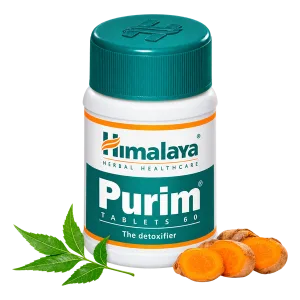
The most important interaction group includes azathioprine and mercaptopurine, because Allopurinol can raise their concentrations and toxicity risk. Warfarin, some antibiotics, and medicines affecting kidney function may also require closer observation. The WHO’s medication-safety framework, published in 2021, supports checking interactions before combining long-term treatments. Do not add a supplement marketed for gout without discussing its ingredients, since it may affect kidney function or interact with prescribed treatment.
Which diet, exercise, or habits support the result?
Maintaining a healthy body weight, drinking suitable amounts of water, limiting alcohol, and avoiding crash diets can support gout management. Diet alone may not remove established crystals, so it should complement rather than replace urate-lowering treatment. The ACR guideline published in 2020 supports lifestyle measures alongside pharmacological urate control. Gentle regular activity is preferable during stable periods, while an acutely inflamed joint may need rest until the flare settles.
Which condition rules Allopurinol out?
A previous severe hypersensitivity reaction to Allopurinol or oxypurinol rules out further use unless a specialist provides a highly specific alternative plan. A new rash after starting treatment also requires immediate medical assessment because serious skin reactions can progress quickly. The FDA prescribing information from 2018 identifies serious skin reactions as a reason for urgent action. Kidney disease does not automatically rule out treatment, but it changes dose selection and monitoring.
How is Allopurinol used in older adults?
Older adults can use Allopurinol when the indication is appropriate, but kidney function, concurrent medicines, hydration, and previous adverse reactions need close review. Treatment is commonly started cautiously and adjusted using serum urate and tolerability. EMA safety information from 2018 highlights renal impairment and hypersensitivity as important considerations across age groups. A family member or carer can help maintain a daily routine, but a missed dose should not be replaced with a double dose.
Do you offer anonymous delivery?
Your order will be securely packed and shipped within 24 hours. This is exactly what your package will look like (images of an actual item sent). It has the size and look of a regular private letter (24x11x0.7 cm) and its contents cannot be seen.
Comparison
How Buyers Rate Allopurinol
-
Ahmed, 31 Mirdif · Several months 20 Nov 2026Rating: 5 out of 5I used Allopurinol tablets for several months and noticed that my gout attacks became much less disruptive. My big toe had been the main problem, but the sharp episodes became uncommon after treatment settled into a routine.
-
Saeed, 68 Dibba Al-Fujairah 25 Oct 2026Rating: 5 out of 5I took the tablets consistently and found that walking was easier because my ankle flared less often. The improvement was gradual, but I was satisfied once the attacks stopped interrupting ordinary errands.
-
Suresh, 43 Fujairah 9 Nov 2026Rating: 3.5 out of 5Allopurinol helped reduce my uric acid, although the first part of treatment was slower than I expected. I had mild stomach upset and needed to pay closer attention to taking it after food, but the result was useful.
-
Samir, 66 Ruwais 31 Oct 2026Rating: 5 out of 5After keeping to the daily schedule, I had fewer painful episodes in my feet. It took patience because the change was not immediate, yet the tablets fitted easily into my morning routine.
Sources
- U.S. Food and Drug Administration (2018). ZYLOPRIM (allopurinol) tablets prescribing information.
- American College of Rheumatology (2020). 2020 American College of Rheumatology Guideline for the Management of Gout.
- European Medicines Agency (2018). Summary of Product Characteristics for allopurinol-containing medicinal products.
