
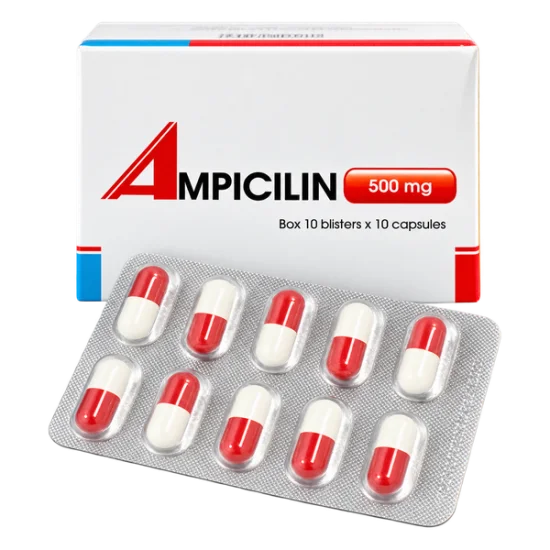
Ampicillin
Active ingredient: Ampicillin
Delivery: from 4 days
- Only original products
- Worldwide Delivery
- 24/7 Support
Ampicillin blocks bacterial cell-wall formation, helping destroy susceptible microorganisms. Ampicillin capsules are prescribed for selected respiratory, urinary, gastrointestinal, and other bacterial infections when the organism is sensitive to penicillin antibiotics.
Product information
Ampicillin is a penicillin antibiotic in the beta-lactam group. The oral product is supplied as capsules containing ampicillin. The dose is selected individually, taking age, other medicines, and health conditions into account. Its action is bactericidal, which means it kills susceptible bacteria rather than merely slowing their growth.
Therapeutic indications
Ampicillin treats selected bacterial infections when clinical assessment, local resistance patterns, or laboratory testing support its use. The medicine may be used for respiratory tract infections, urinary tract infections, gastrointestinal infections, and certain serious infections managed in hospital settings.
Common clinical areas include:
- Respiratory tract infections: selected infections caused by susceptible bacteria.
- Urinary tract infections: infections involving susceptible organisms in the urinary system.
- Gastrointestinal infections: some intestinal infections when the causative bacterium responds to ampicillin.
- Bacterial meningitis: a serious infection requiring urgent hospital treatment and usually injectable antibiotic therapy.
- Endocarditis: infection of the heart’s inner lining or valves, managed under specialist supervision.
- Bloodstream or systemic infections: treatment depends on culture results, severity, and the patient’s clinical condition.
Ampicillin is not selected simply because symptoms resemble an infection. A sore throat, cough, diarrhoea, or burning urination can have several causes. Bacterial culture and sensitivity testing may be needed, especially for severe, recurrent, hospital-acquired, or treatment-resistant infections.
| Infection area | Clinical role of ampicillin |
|---|---|
| Respiratory or urinary infection | Oral treatment may be considered when the organism is susceptible |
| Gastrointestinal infection | Used selectively according to the suspected or confirmed pathogen |
| Meningitis or endocarditis | Specialist hospital treatment, usually involving injectable therapy and monitoring |
The choice depends on the organism, infection site, kidney function, allergy history, and local antimicrobial resistance. Ampicillin is not interchangeable with every penicillin antibiotic.
How it affects the body
Ampicillin acts during bacterial cell-wall construction. Bacteria need a strong wall to maintain their shape and survive. The beta-lactam structure binds to bacterial enzymes called penicillin-binding proteins. These enzymes normally cross-link the wall’s peptidoglycan strands. When ampicillin blocks them, the wall becomes unstable and the bacterium breaks down.
Beta-Lactam Ring Structure and Bacterial Inhibition
The beta-lactam ring is the key structural feature shared by penicillin antibiotics and related beta-lactam antibiotics. Bacterial enzymes may destroy this ring through beta-lactamase production, which can make some organisms resistant to ampicillin.
Ampicillin works only against bacteria that are susceptible to it. It does not treat influenza, common viral colds, COVID-19, or other viral illnesses. Unnecessary antibiotic exposure can contribute to antimicrobial resistance, a concern addressed in WHO and NICE antibiotic stewardship guidance [1]. Cochrane reviews also examine the benefits and harms of antibiotic treatment in selected infections.
When not to use it
Ampicillin is not suitable for people with a previous serious hypersensitivity reaction to ampicillin, penicillin antibiotics, or closely related beta-lactam antibiotics. A history of anaphylaxis, angioedema, bronchospasm, or severe blistering rash after a beta-lactam requires strict avoidance unless a specialist determines otherwise.
Ampicillin can interact clinically with anticoagulants such as warfarin because antibiotics may alter vitamin K-producing gut bacteria and illness can affect clotting control. Extra INR monitoring may be needed. Allopurinol can increase the likelihood of an ampicillin-associated rash. Probenecid can reduce renal elimination of penicillins and raise antibiotic exposure.
Pregnancy and breastfeeding require individual assessment. Ampicillin crosses the placenta and enters breast milk in small amounts; clinicians weigh the infection risk against treatment considerations.
The FDA prescribing information describes serious penicillin hypersensitivity as a key contraindication and warning [2].
When this is not for you
This medicine is not for you if:
- you previously developed anaphylaxis after penicillin;
- a penicillin or beta-lactam caused severe skin peeling or blistering;
- you currently have unexplained facial swelling, wheezing, or widespread hives;
- a clinician has identified an organism resistant to ampicillin;
- you have a condition requiring injectable hospital treatment while considering oral capsules;
- you have severe kidney impairment requiring a different dosing schedule and monitoring plan.
Possible side effects
The most frequent adverse effects involve the digestive system or skin. Ampicillin can cause nausea, abdominal discomfort, loose stools, or a skin rash. Some rashes are allergic, while others occur during certain viral infections and do not represent a true penicillin allergy.
Possible reactions include:
- nausea or vomiting;
- diarrhoea or abdominal discomfort;
- headache;
- mild skin rash;
- itching or hives;
- oral or vaginal fungal overgrowth after antibiotic exposure;
- changes in liver enzymes;
- blood-count abnormalities during prolonged or intensive treatment.
An immediate allergic reaction can begin soon after a dose. Warning signs include facial or throat swelling, wheezing, difficulty breathing, faintness, widespread hives, or a rapidly worsening rash. Stop taking further doses and seek emergency care if these symptoms occur.
A delayed severe skin reaction may cause blistering, peeling skin, painful sores in the mouth or eyes, fever, or facial swelling. This also requires emergency treatment.
One practical distinction matters: mild nausea is different from facial swelling or breathing difficulty. The first may be monitored if manageable; the second can signal anaphylaxis.
Antibiotic-associated diarrhoea can appear during treatment or after the course ends. Persistent watery diarrhoea, blood in the stool, fever, or marked weakness may indicate infection with toxin-producing Clostridioides difficile.
Ingredients
Ampicillin is the active antibacterial substance in this oral product. It is supplied as capsules intended for use against selected bacterial infections caused by susceptible microorganisms.
Dosage and administration
Ampicillin is taken by mouth as a capsule. The dose is decided individually, taking age, other medicines, and health conditions into account.
- Take the prescribed number of capsules at the prescribed intervals.
- Swallow the capsule with water.
- Take oral ampicillin on an empty stomach when directed, because food can reduce absorption.
- Keep the timing as even as possible across the day.
- Complete the prescribed course unless a serious adverse reaction develops.
- If a dose is missed, take it when remembered unless the next dose is near; do not double the next dose.
Ampicillin is also used in injectable formulations for serious infections, including bacterial meningitis and endocarditis. Injectable treatment is administered by qualified clinical staff and is not a substitute for the oral capsules.
Kidney function affects how ampicillin leaves the body. Older adults and people with kidney disease may need an individually adjusted schedule. The same applies when ampicillin is combined with other medicines that affect renal function or blood clotting.
Comparison
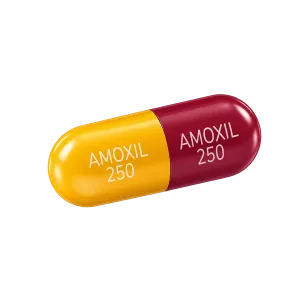
Ampicillin and amoxicillin are both aminopenicillin antibiotics, yet their absorption and clinical use differ. The choice depends on the infection, susceptibility results, allergy history, and local prescribing guidance.
| Treatment approach | Main distinction |
|---|---|
| Ampicillin | Aminopenicillin with oral and injectable formulations; food can reduce oral absorption |
| Amoxicillin | Related aminopenicillin with more reliable oral absorption for many indications |
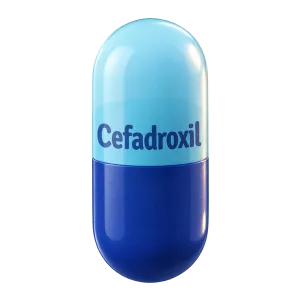
| Narrow-spectrum penicillin | Targets a more limited range of susceptible bacteria and may reduce unnecessary antimicrobial exposure |
Ampicillin may be selected when its activity matches the suspected organism or when injectable therapy is required. Amoxicillin may be preferred for some outpatient infections because oral absorption is more predictable. A narrow-spectrum penicillin can be preferable when testing identifies a bacterium that does not require broader aminopenicillin coverage.
The choice is clinical, not a matter of using the strongest antibiotic. Broad coverage can expose more bacteria to selection pressure without improving treatment when a narrower option is suitable.
Common mistakes
Several practical errors can reduce treatment success or increase avoidable harm:
- taking capsules only when symptoms feel severe;
- taking oral ampicillin directly after a substantial meal when an empty stomach was prescribed;
- doubling a missed dose;
- stopping as soon as fever falls;
- sharing leftover antibiotics with a family member;
- treating a viral cold with an antibacterial medicine;
- ignoring a spreading rash;
- failing to mention a past reaction to penicillin;
- using anti-diarrhoeal treatment despite severe diarrhoea or blood in the stool;
- overlooking kidney disease or medicines such as warfarin and allopurinol.
A capsule missed by a short interval is usually handled differently from several missed doses. Repeated missed doses can make the treatment schedule ineffective and should be discussed promptly with the prescribing service.
Do not keep leftover capsules for a future illness. The next infection may involve a different organism or require a different antibiotic, and using an incomplete course makes the clinical decision harder.
What doctors say
In clinical practice, doctors focus on four questions before prescribing ampicillin: Is the illness bacterial, is the suspected organism susceptible, can the patient take a penicillin safely, and is the selected route appropriate?
A clinician may obtain urine, sputum, blood, or other samples before treatment in severe infections. Culture results can lead to continuation, narrowing, or changing of antibiotic therapy. For meningitis and endocarditis, oral capsules are not adequate substitutes for the hospital protocols used for serious invasive disease.
Doctors also consider whether symptoms are improving at the expected pace. Persistent fever, worsening pain, shortness of breath, confusion, dehydration, or new weakness can indicate treatment failure or a complication. Waiting until the course is finished is not appropriate when the illness is deteriorating.
NICE antimicrobial stewardship guidance emphasizes patient-specific antibiotic selection and careful use of antimicrobial medicines [3]. That principle explains why two people with similar symptoms may receive different antibiotics.
Common questions
Can Ampicillin be taken with food or on an empty stomach?
Oral ampicillin is generally taken away from meals because food may reduce absorption. The FDA’s ampicillin prescribing information, dated 2016, describes administration on an empty stomach and supports separating the dose from food. If nausea occurs, the prescriber may adjust the timing or select another option rather than relying on inconsistent dosing.
How soon does Ampicillin’s effect become noticeable?
Symptoms may begin to improve after the first few days when the infection is caused by susceptible bacteria and the dose is absorbed correctly. The precise timing depends on the infection site, bacterial susceptibility, immune response, and illness severity. WHO antimicrobial guidance published in 2022 stresses that clinical response must be judged alongside the diagnosis and severity, not by one symptom alone .
How long does one Ampicillin dose keep working?
The duration of antibacterial coverage depends on the prescribed interval, kidney function, infection site, and the amount taken. Ampicillin is normally scheduled at repeated intervals because one oral dose does not provide continuous coverage for an entire day. The FDA prescribing information for ampicillin capsules, dated 2016, links dosing intervals to the medicine’s pharmacokinetic profile and the patient’s clinical condition.
How should Ampicillin be stored at home and while travelling?
Keep the capsules in a dry place at ordinary room temperature, away from direct heat, moisture, and children. A bathroom cabinet is unsuitable because humidity can affect medicines. The WHO Model List of Essential Medicines information, published in 2023, supports storing oral medicines in conditions that preserve stability and prevent accidental access [4].
Which condition rules Ampicillin out?
A previous severe allergic reaction to penicillin is a clear reason to avoid ampicillin unless a specialist provides a documented alternative plan. Symptoms such as anaphylaxis, throat swelling, severe wheezing, or blistering skin reactions require emergency care rather than another dose. The CDC’s penicillin-allergy clinical guidance, updated in 2021, distinguishes immediate high-risk reactions from less specific past symptoms and supports careful allergy assessment [5].
Do you offer anonymous delivery?
Your order will be securely packed and shipped within 24 hours. This is exactly what your package will look like (images of an actual item sent). It has the size and look of a regular private letter (24x11x0.7 cm) and its contents cannot be seen.
Comparison
How Buyers Rate Ampicillin
-
Karim, 59 Ras Al Khaimah 25 Oct 2026Rating: 4 out of 5I used the capsules for a confirmed urinary infection. The burning eased after a few days, and I was satisfied that the treatment fitted the infection.
-
Joel, 53 Al Majaz 29 Oct 2026Rating: 4 out of 5Ampicillin helped with the chest infection I was treated for. My cough and fever settled during the course, and taking the capsules between meals became easy after the first day.
-
Hamdan, 69 Al Khawaneej 8 Nov 2026Rating: 4.5 out of 5The treatment cleared the infection and I returned to my normal routine. I kept the doses spaced through the day and finished the course as prescribed.
-
Majid, 69 Ajman 12 Nov 2026Rating: 3.5 out of 5It helped, but the improvement was slower than I expected. I had mild loose stools for part of the course, which was inconvenient, although it settled afterward.
-
Imran, 52 Mussafah 20 Nov 2026Rating: 3 out of 5Ampicillin did not improve my symptoms quickly, and I developed an itchy rash. I stopped taking further capsules and contacted a doctor, who changed the treatment.
Sources
- World Health Organization (2022). The WHO AWaRe Antibiotic Book: Antibiotic Choices for Common Bacterial Infections
- U.S. Food and Drug Administration (2016). Prescribing Information — ampicillin capsules
- National Institute for Health and Care Excellence (NICE) (2015). Antimicrobial stewardship: systems and processes for effective antimicrobial medicine use (NG15)
- World Health Organization (2023). WHO Model List of Essential Medicines — 23rd List
- Centers for Disease Control and Prevention (2021). Clinical Features of Penicillin Allergy
