
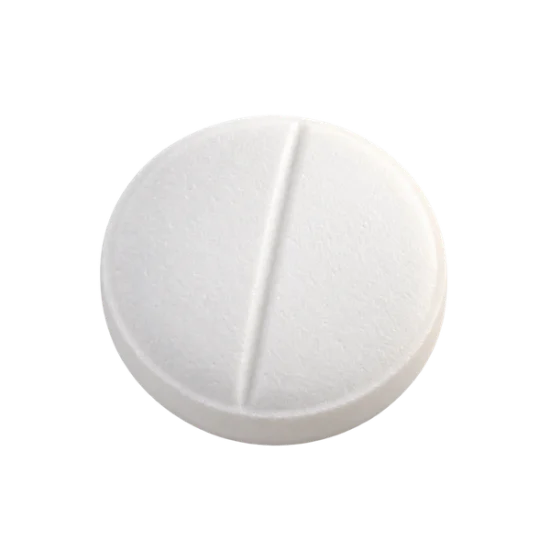
Prednisone
Active ingredient: Prednisone
Delivery: from 4 days
- Only original products
- Worldwide Delivery
- 24/7 Support
Prednisone helps control severe inflammation and excessive immune activity in conditions such as rheumatoid arthritis, asthma, and autoimmune disease. It can reduce swelling, pain, allergic inflammation, and immune-system overactivity.
Product information
It is an oral corticosteroid converted by the body into prednisolone, which can reduce swelling, pain, allergic inflammation, and immune-system overactivity.
Prednisone belongs to the corticosteroid class. It is a systemic glucocorticoid, meaning that it acts throughout the body rather than only at one site. The active substance is prednisone, which the liver converts into prednisolone, the form that binds glucocorticoid receptors inside cells.
Therapeutic indications
Prednisone is prescribed for inflammatory, allergic, respiratory, rheumatological, and autoimmune conditions. The treatment goal is to reduce active inflammation while controlling the underlying illness with the lowest suitable exposure.
Common clinical uses include:
- Rheumatoid arthritis, where corticosteroids can reduce joint inflammation and stiffness.
- Asthma exacerbations, where systemic corticosteroids can reduce airway swelling and inflammatory activity.
- Severe allergic or inflammatory reactions.
- Autoimmune conditions, including selected presentations of Sjögren’s disease.
- Inflammatory skin, blood, kidney, lung, and gastrointestinal disorders.
- Flares of diseases in which immune activity is causing tissue injury.
The exact indication matters. Prednisone used for a short respiratory flare has a different risk profile from treatment lasting several months for autoimmune disease. NICE guidance for rheumatoid arthritis supports limiting prolonged glucocorticoid exposure when disease-modifying treatment can control inflammation more sustainably.[2]
| Clinical situation | Main therapeutic goal | Usual response pattern |
|---|---|---|
| Asthma flare | Reduce airway inflammation | Breathing symptoms may improve as inflammation settles |
| Rheumatoid arthritis flare | Reduce joint swelling and pain | Relief varies with disease activity |
| Autoimmune inflammation | Suppress damaging immune activity | Response depends on the organ affected |
Prednisone does not repair damaged joints, reverse established scarring, or eliminate the cause of every autoimmune condition. It controls inflammatory activity while the wider treatment plan addresses long-term disease control.
How it affects the body
Prednisolone then changes the activity of genes involved in inflammation. It reduces the production of inflammatory substances such as cytokines and prostaglandin-related mediators. It also limits the movement and activation of immune cells in inflamed tissue. These effects can reduce redness, swelling, heat, pain, airway inflammation, and autoimmune activity.[1]
Metabolic Conversion to Active Prednisolone
Prednisone functions as a prodrug. A prodrug is converted by the body into its active form after administration. Prednisone is converted mainly in the liver into prednisolone, which circulates in the bloodstream and enters cells.
Prednisone can be highly useful when inflammation is damaging organs or limiting breathing and movement. Its limitation is broad systemic activity: the same immune suppression that calms disease can also affect blood glucose, blood pressure, bones, mood, and infection resistance.
When not to use it
Prednisone may be unsuitable or require specialist management if you have:
- A serious untreated systemic infection.
- A previous severe allergic reaction to prednisone or a related corticosteroid.
- Uncontrolled diabetes or markedly unstable blood glucose.
- Severe hypertension or significant fluid retention.
- Active stomach ulcer disease or a history of gastrointestinal bleeding.
- Osteoporosis or a previous fragility fracture.
- Glaucoma or cataracts.
- A history of severe steroid-related mood or psychotic symptoms.
- Untreated strongyloidiasis or exposure risk in an affected region.
- A condition requiring live vaccination during substantial immunosuppression.
The FDA prescribing information describes corticosteroid warnings involving infection, adrenal suppression, metabolic effects, bone effects, eye complications, and psychiatric reactions.[3]
When this is not for you
NOT for you if you have an untreated serious infection, uncontrolled diabetes, or a history of severe steroid reactions; seek medical advice before use. The treatment plan requires special care in people with certain infections, endocrine disorders, eye conditions, metabolic disease, or previous reactions to corticosteroids.
Pregnancy and breastfeeding require an individual risk assessment. The decision depends on the disease being treated, the treatment duration, and available alternatives. Stopping necessary corticosteroid treatment without a planned replacement can also create risk.
Possible side effects
Prednisone side effects depend on dose, duration, timing, age, medical history, and concurrent medicines. Short courses can still cause symptoms, while prolonged therapy creates greater cumulative risks.
Common or clinically recognised effects include:
- Increased appetite and weight gain.
- Fluid retention and swelling.
- Elevated blood pressure.
- Changes in blood sugar.
- Indigestion or stomach discomfort.
- Insomnia or restless sleep.
- Irritability, anxiety, or mood changes.
- Facial fullness after longer exposure.
- Increased bruising or slower skin healing.
Some people notice an evening energy surge after taking prednisone earlier in the day. A person with diabetes may see glucose rise even when eating normally. Blood pressure can also increase through fluid retention and changes in vascular response.
Prednisone may mask fever, pain, or other signs of infection. This can make an infection appear less severe than it is. New fever, worsening cough, painful urination, persistent diarrhoea, or a wound that is not healing deserves prompt medical assessment.
Mood effects can occur at either a low or high exposure. Restlessness, unusual irritability, reduced need for sleep, depression, confusion, or extreme mood elevation require timely clinical attention. Severe mental changes are uncommon but can be urgent.
Ingredients
The active substance is prednisone, an oral systemic glucocorticoid. The body converts prednisone in the liver into prednisolone, which binds to glucocorticoid receptors inside cells and helps reduce inflammation and excessive immune-system activity.
Dosage and administration
The timing of relief depends on the condition being treated, the severity of inflammation, the prescribed dose, and the person’s response. Symptoms caused by intense inflammation may begin to improve sooner than the underlying disease process. Reduced pain does not always mean that the illness has fully settled.
Prednisone Dosage and Administration
The amount and frequency of Prednisone depend on the purpose of treatment and are agreed with a doctor or pharmacist. The dose may be taken once daily or divided across the day, depending on the condition and the treatment plan.
- Take the tablets by mouth at the prescribed time.
- Take them with food or milk when advised to reduce stomach irritation.
- Swallow the tablets with water unless a clinician has given different instructions.
- Follow the planned duration and taper exactly when treatment has lasted long enough to suppress adrenal function.
- Do not double the next dose after a missed dose unless the prescriber has specifically instructed this.
- If vomiting prevents absorption, seek medical advice because the correct response depends on the treatment duration and disease severity.
- Do not stop prolonged treatment abruptly.
Scored tablets can be easier to divide, but a score does not automatically mean that every split produces an exact dose. Do not crush or chew a tablet when the prescribed product uses a formulation that requires swallowing whole.
Comparison
Alternative Corticosteroid Formulations and Analogues
Systemic corticosteroids differ in glucocorticoid potency, mineralocorticoid activity, duration, metabolism, and available formulations. Prednisone is converted to prednisolone, while hydrocortisone is chemically closer to the body’s natural cortisol.
6-methyl-prednisolone is another systemic corticosteroid analogue with different potency and mineralocorticoid effects. Modified-release prednisone formulations are designed to change the timing of release rather than simply increase anti-inflammatory activity.
| Corticosteroid option | Main pharmacological distinction | Clinical consideration |
|---|---|---|
| Prednisone | Converted to prednisolone | Oral systemic treatment with broad effects |
| Hydrocortisone | Closely related to cortisol | Often selected when replacement physiology is central |
| 6-methyl-prednisolone | Different potency and salt-retaining profile | May be selected when a different exposure profile is preferred |
Prednisolone may be chosen directly when predictable active-drug exposure is desired, including in people whose liver conversion may be less reliable. A prescriber may also select hydrocortisone or another corticosteroid according to the illness, route, duration, and required potency.
Corticosteroid equivalence is not a simple tablet-for-tablet substitution. A change can alter adrenal suppression, blood glucose, fluid retention, and infection risk. The natural hormone cortisol remains the reference point for understanding glucocorticoid activity.
Common mistakes
Several practical errors can make prednisone treatment less successful or less safe:
- Stopping suddenly after a prolonged course.
- Taking a missed dose twice.
- Taking doses late in the evening and then assuming insomnia is unrelated.
- Forgetting to mention prednisone before surgery or emergency treatment.
- Assuming that improved pain means the autoimmune disease is cured.
- Ignoring rising blood glucose or blood pressure.
- Receiving a live vaccine during significant immunosuppression without clinical advice.
- Using non-steroidal anti-inflammatory medicines regularly without discussing stomach and bleeding risk.
- Hiding mood changes, agitation, depression, or confusion.
- Taking leftover tablets for a new illness.
One easily missed detail is infection masking. A person taking prednisone may have a serious infection without a high fever. Worsening breathing, unusual weakness, persistent cough, painful urination, or a non-healing wound should not be dismissed because the temperature is normal.
What doctors say
In clinical practice, doctors usually assess two separate questions: whether inflammation needs rapid suppression and how to control the underlying disease after the flare settles. Prednisone can act quickly enough to protect function, but it is rarely the ideal sole long-term strategy for a chronic autoimmune illness.
A rheumatology plan may use prednisone as a bridge while methotrexate or another disease-modifying treatment begins to work. A respiratory clinician may use it for an acute asthma exacerbation, then stop it when airway inflammation is controlled. The shortest suitable exposure reduces cumulative harm.
Doctors also look beyond pain relief. Blood pressure, glucose, sleep, mood, infection symptoms, weight change, and bone risk can all influence whether treatment should continue or be reduced.
Patients often judge prednisone by the first improvement they feel. Clinicians judge it by symptom control, physical findings, disease markers where useful, and the ability to reduce exposure without relapse.
Common questions
Can Prednisone be combined with painkillers or anti-inflammatory medicines?
The combination with non-steroidal anti-inflammatory drugs requires caution because both treatments can increase stomach irritation and gastrointestinal bleeding risk. The FDA prescribing information reviewed in 2019 describes gastrointestinal and systemic precautions relevant to corticosteroid use. The risk may be greater with previous ulcers, anticoagulants, alcohol excess, older age, or prolonged treatment. Methotrexate, etanercept, supplements, and other immune-active treatments also require a defined clinical plan rather than casual combination. A clinician should review the full medicine list before adding either treatment.
How long does one Prednisone dose keep working?
The anti-inflammatory effect of one dose can extend beyond the time when the medicine is measurable in the bloodstream. The duration depends on the inflammatory condition, the treatment schedule, tissue response, and whether doses have been taken repeatedly. A 2019 WHO medicines reference identifies corticosteroids as established medicines, while clinical effects depend on exposure pattern as well as dose. Symptoms can return when the underlying disease remains active, even if one dose initially provides relief.
Which condition rules out Prednisone?
An untreated serious systemic infection can make prednisone unsuitable because immune suppression may allow the infection to worsen or become harder to recognise. The 2019 FDA prednisone prescribing information identifies infection risk as a central consideration for systemic glucocorticoids. A previous severe allergic reaction to prednisone is another clear reason to avoid it. Other conditions, such as uncontrolled diabetes or severe osteoporosis, may require modified treatment rather than an automatic exclusion.
Can Prednisone tablets be split, crushed, or chewed?
A scored tablet may sometimes be split when the prescribed treatment requires a smaller portion, but the score does not guarantee perfect dose division. Crushing or chewing can be inappropriate if the tablet has a modified-release or protective formulation. The FDA product information from 2019 explains that administration depends on the specific tablet design. Swallowing the tablet with water and following the prescribed administration method prevents avoidable changes in exposure.
Is Prednisone suitable for older adults?
Older adults can receive Prednisone when the expected anti-inflammatory benefit outweighs the risks, but monitoring is often more intensive. The 2019 FDA prednisone prescribing information highlights infection, glucose, blood pressure, bone, muscle, eye, and mood risks that become more relevant with age. Older people may also take anticoagulants, diabetes medicines, or osteoporosis treatments that affect the treatment plan. New confusion, weakness, falls, visual changes, or infection symptoms should be reported promptly.
How long does a Prednisone course last, and is long-term use acceptable?
The course length depends on the condition, its severity, the response to treatment, and whether another therapy can control the disease. The 2019 FDA prednisone prescribing information supports using the lowest suitable exposure and reducing treatment carefully after prolonged use. Long-term treatment can be appropriate for selected diseases, but it requires monitoring for adrenal suppression, infection, bone loss, glucose changes, blood pressure changes, eye complications, and mood effects. A long course should never be ended abruptly without an agreed reduction schedule.
Do you offer anonymous delivery?
Your order will be securely packed and shipped within 24 hours. This is exactly what your package will look like (images of an actual item sent). It has the size and look of a regular private letter (24x11x0.7 cm) and its contents cannot be seen.
Comparison
Long-Term Safety Risks and Complications
Long-term corticosteroid therapy can reduce bone formation and increase bone breakdown. This raises the risk of osteoporosis and fractures, especially in older adults, people with previous fractures, and those receiving repeated courses.
Prolonged prednisone use can also increase the risk of infection through immunosuppression. The risk is influenced by the treatment intensity and by other immune-suppressing medicines taken at the same time. The symptoms of infection may be less obvious because prednisone can reduce fever and inflammatory signs.
Other cumulative concerns include:
- Cataracts or increased pressure inside the eye.
- Muscle weakness.
- Skin thinning and easy bruising.
- Delayed wound healing.
- Adrenal suppression.
- Worsening diabetes control.
- Persistent hypertension.
- Menstrual or reproductive changes.
- Growth effects in children.
For extended treatment, clinicians may assess fracture risk and consider calcium, vitamin D, weight-bearing activity, or bone-protective treatment when appropriate. Vitamin supplements are not a complete substitute for bone-risk assessment, especially when corticosteroid exposure is prolonged.
Stopping long-term prednisone suddenly can leave the body without enough natural cortisol during stress. A taper allows the hypothalamic-pituitary-adrenal axis to recover gradually. The tapering schedule depends on the dose, duration, disease activity, and the person’s response.
Impact on Endocrine Regulation and Immune Function
Prednisone supplies glucocorticoid activity from outside the body. The hypothalamus and pituitary detect this activity through feedback signals and may reduce stimulation of the adrenal glands. Over time, the adrenal cortex can produce less endogenous cortisol.
This suppression is more likely with longer exposure, higher treatment intensity, repeated courses, and administration at times that strongly interfere with the normal cortisol rhythm. Recovery can take time after treatment ends.
Prednisone also reduces immune-cell signalling and inflammatory mediator release. This is useful in autoimmune disease, but it can weaken resistance to some infections and reduce the visibility of inflammatory symptoms.
The adrenal system may respond poorly to major stress after prolonged therapy. Surgery, severe infection, trauma, or vomiting can create a greater cortisol requirement. The medical team needs to know about recent or ongoing corticosteroid use in these situations.
Vaccination decisions require clinical judgment. Live vaccines may be unsuitable during significant immunosuppression, while the response to some vaccines may be reduced. The timing depends on prednisone exposure and the specific vaccine.
How Buyers Rate Prednisone
-
Mark, 41 Umm Al Quwain · Within the treatment period 14 Nov 2026Rating: 4 out of 5I used Prednisone during a bad inflammatory flare. The swelling eased and I could move around the house more normally within the treatment period. I was satisfied because the improvement was clear and practical.
-
Faisal M., 47 Abu Dhabi 20 Nov 2026Rating: 4 out of 5Prednisone helped settle the joint stiffness that had made mornings difficult. I took the tablets with breakfast and noticed that getting dressed and driving became much easier. The benefit was strong enough for me to feel the treatment had done its job.
-
James N., 61 Al Nahda · After the course 25 Oct 2026Rating: 4 out of 5The tablets reduced the chest tightness and inflammation during my respiratory flare. Breathing became easier, and I returned to my normal daily routine after the course. I was pleased with the result.
-
Hamdan, 56 Deira 5 Nov 2026Rating: 2.5 out of 5Prednisone did not help me as much as I expected during my flare. I also found it difficult to sleep and felt unusually restless, so I stopped after speaking with my doctor. A different plan was needed.
Sources
- U.S. Food and Drug Administration (2019). Prednisone Tablets, USP — Prescribing Information
- NICE (2020). Rheumatoid arthritis in adults: management
- DailyMed (2019). Prednisone tablet — Prescribing Information
