
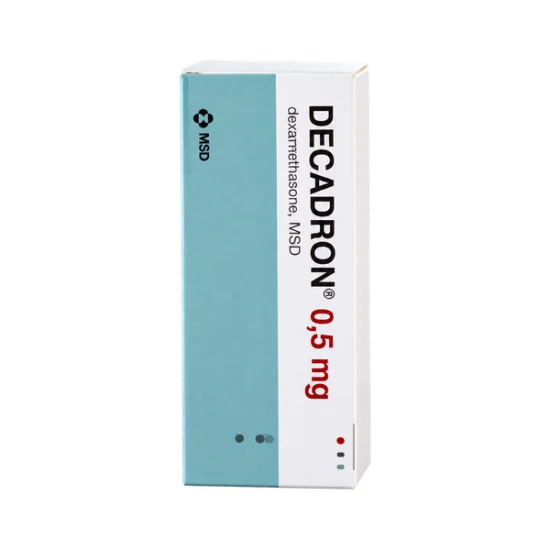
- Only original products
- Worldwide Delivery
- 24/7 Support
Decadron is a prescription corticosteroid for conditions requiring reduced inflammation or immune activity. After absorption, dexamethasone binds intracellular glucocorticoid receptors and changes gene transcription, helping decrease swelling, redness, pain, and tissue irritation.
Product information
Decadron contains dexamethasone, a synthetic glucocorticoid in the adrenocortical steroid class. The amount taken at each administration is selected individually rather than being one fixed amount for every condition. Dexamethasone is a prescription corticosteroid used when suppression of inflammation or immune activity is clinically required.
Therapeutic indications
Decadron may be prescribed for severe inflammatory disorders, allergic reactions, autoimmune flare-ups, selected blood or skin diseases, and other conditions that respond to glucocorticoid treatment. Dexamethasone is also used in some hospital protocols for cerebral oedema and other serious inflammatory states.
The decision depends on the diagnosis, severity, previous treatment, infection risk, blood-glucose control, and expected treatment duration. A short course may be used for an acute problem. Longer treatment requires monitoring for adrenal suppression, metabolic effects, bone complications, and infection-related problems.
Dexamethasone may be selected instead of hydrocortisone when a stronger glucocorticoid effect is wanted with less mineralocorticoid activity. It is not a general painkiller. It treats inflammatory or immune mechanisms behind symptoms.
A clinician may use Decadron in conditions involving:
- Significant inflammation of joints, connective tissue, skin, or other organs
- Severe allergic or hypersensitivity reactions
- Autoimmune disease flares
- Selected respiratory or neurological inflammatory conditions
- Cerebral oedema in specialist settings
- Certain haematological or oncological treatment protocols
- Endocrine assessment using a Dexamethasone Suppression Test
The indication determines the dose, timing, and duration. The same tablet strength can be used in very different regimens, which is why copying another patient’s schedule can lead to under-treatment or excessive corticosteroid exposure.
How it affects the body
After absorption, dexamethasone enters cells and binds intracellular glucocorticoid receptors. The activated receptor moves into the cell nucleus and changes gene transcription. This reduces the production of inflammatory mediators, limits immune-cell activation, and decreases swelling, redness, pain, and tissue irritation in steroid-responsive disease [1].
The drug also suppresses the hypothalamic-pituitary-adrenal axis.
When not to use it
Systemic fungal infections are a major contraindication because corticosteroid immune suppression can allow the infection to spread. Live vaccines may be unsuitable during substantial immunosuppressive treatment. The risk depends on steroid exposure and the vaccine type, so vaccination timing should be planned clinically.
When this is not for you
Decadron is not suitable for you if you have a serious untreated systemic fungal infection, a known severe allergy to dexamethasone or tablet ingredients, or a condition in which corticosteroid immune suppression would create unacceptable danger. It also requires specialist judgement during pregnancy, breastfeeding, active infection, uncontrolled diabetes, severe psychiatric illness, or recent vaccination with a live vaccine.
Possible side effects
Dexamethasone can cause unwanted effects because glucocorticoid receptors influence many organs. Short courses are often tolerated better than prolonged courses, though susceptibility varies with dose and individual health.
| Treatment pattern | Possible adverse effects |
|---|---|
| Short-term exposure | Indigestion, insomnia, mood change, increased appetite, fluid retention, raised blood glucose |
| Repeated or prolonged exposure | Weight gain, high blood pressure, diabetes worsening, skin thinning, bruising, muscle weakness, osteoporosis, cataracts, glaucoma, infection risk |
| Abrupt discontinuation after suppression | Severe fatigue, weakness, nausea, low blood pressure, joint or muscle pain, adrenal insufficiency |
Mood changes deserve attention. Irritability, anxiety, insomnia, unusually elevated mood, depression, or confusion can occur and may require prompt clinical review. Blood glucose may rise even in people without diagnosed diabetes.
Longer treatment can reduce bone strength and impair the body’s response to infection. Fever may be less obvious because corticosteroids suppress inflammatory signs. A sore throat, persistent cough, painful urination, unusual wounds, or worsening illness requires timely medical assessment.
Corticosteroid Withdrawal Syndrome can occur when systemic steroid treatment is stopped after the adrenal axis has been suppressed. Symptoms may include profound tiredness, dizziness, nausea, vomiting, abdominal discomfort, low blood pressure, and worsening of the condition being treated. A tapering schedule is chosen according to the course and clinical response.
Ingredients
Decadron contains dexamethasone, a synthetic glucocorticoid corticosteroid. After absorption, dexamethasone binds intracellular glucocorticoid receptors and changes gene transcription, helping reduce inflammation and immune activity.
Dosage and administration
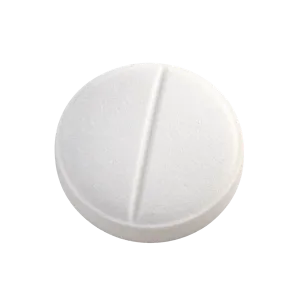
Decadron is supplied as oral tablets containing dexamethasone. The tablets are intended to be swallowed and are not the same as injectable dexamethasone presentations used in hospitals or clinics. The amount taken at each administration is selected individually rather than being one fixed dose for every condition.
| Presentation | Route | Clinical role |
|---|---|---|
| Decadron tablet | Oral | Individualised treatment for steroid-responsive conditions |
| Dexamethasone injection | Injectable | Clinical use when a healthcare team selects parenteral treatment |
| Dexamethasone diagnostic dose | Oral or clinical protocol | Selected endocrine testing under medical supervision |
The oral tablet is useful when treatment can be managed through the gastrointestinal tract. An injection may be chosen when oral administration is unsuitable or when a hospital protocol requires rapid, controlled administration. Injectable forms are not a substitute for the Decadron tablets on this page.
The amount of Decadron taken at each administration is set individually. It depends on the condition, response, age, other medicines, and whether treatment is short term or prolonged. Use the prescribed amount and schedule rather than adjusting the tablets according to symptom intensity.
- Swallow the tablets with water.
- Take them at the prescribed time each day.
- Take them with food if stomach irritation occurs.
- Do not double the next administration after a missed dose.
- Contact the prescribing service for an individual missed-dose instruction if the next scheduled dose is close.
- Do not stop a prolonged course abruptly.
- Never use injectable dexamethasone dosing instructions for oral Decadron tablets.
A missed dose is usually taken when remembered unless the next dose is due soon; doubling doses increases exposure without reliably improving the condition. A taper may be needed after repeated or prolonged treatment because the adrenal glands can temporarily produce less cortisol.
Comparison
Decadron differs from hydrocortisone and cortisone in potency, duration, and mineralocorticoid activity. These differences influence the clinical role of each medicine.
| Corticosteroid | Main pharmacological profile | Typical clinical role |
|---|---|---|
| Dexamethasone | High glucocorticoid activity; minimal mineralocorticoid activity; long acting | Strong anti-inflammatory or immune-suppressing treatment; selected endocrine testing |
| Hydrocortisone | Lower glucocorticoid potency; meaningful mineralocorticoid activity; shorter acting | Cortisol replacement and selected inflammatory treatment |
| Cortisone | Requires conversion to active cortisol; lower potency than dexamethasone | Replacement therapy in selected settings |
Hydrocortisone is often preferred for adrenal replacement because its activity resembles naturally produced cortisol. Dexamethasone is less suitable for routine replacement when mineralocorticoid support is also needed. Cortisone depends on conversion to cortisol, so its clinical effect differs from the direct activity of dexamethasone.
The medicines cannot be substituted tablet-for-tablet without a recognised equivalence calculation and a clinical reason. Potency comparisons are approximate because patient response also depends on diagnosis, absorption, treatment length, and individual metabolism [2].
Common mistakes
Several practical errors can reduce benefit or increase harm:
- Stopping after feeling better without a tapering plan
- Taking an extra tablet because symptoms return
- Taking the medicine late in the evening and then attributing insomnia to another cause
- Combining it with indomethacin or another anti-inflammatory without discussing gastrointestinal risk
- Forgetting to mention Decadron before receiving a live vaccine
- Ignoring fever because the steroid has reduced the usual inflammatory response
- Assuming a dose used by a relative is suitable for the same symptom
- Treating Decadron as a routine painkiller
- Failing to report diabetes, glaucoma, osteoporosis, or previous ulcer disease
- Missing several administrations and restarting at the former schedule without clinical advice
One easily missed detail is infection masking. Dexamethasone can reduce redness, pain, and fever while an infection continues to progress. Another is sleep timing: a prescribed morning schedule may be easier to tolerate than a late-day schedule, although the prescribed plan should not be changed independently.
What doctors say
In clinical practice, prescribers usually focus on three questions: what inflammatory process is being treated, how much steroid exposure is necessary, and how will treatment stop? Dexamethasone can produce a noticeable improvement in swelling or inflammatory symptoms, yet symptom relief does not prove that the underlying disease has resolved.
Doctors also watch for changes that patients may overlook. Rising thirst or urination can signal higher blood glucose. New insomnia or irritability can appear before other steroid effects. Bruising after minor contact may indicate skin and connective-tissue changes during repeated exposure.
Short treatment does not remove all risk. A patient with diabetes, an untreated infection, or a history of stomach bleeding may need a different plan even when the inflammatory symptoms are severe.
Common questions
Is Decadron suitable for older adults?
Older adults may receive Decadron when the expected anti-inflammatory benefit outweighs the risks. The World Health Organization’s Model List and formulary principles recognise corticosteroids as medicines requiring attention to infection, glucose, bone, eye, and cardiovascular risks; the relevant WHO reference was published in 2008 [3]. Age alone does not rule out treatment, but diabetes, osteoporosis, glaucoma, hypertension, ulcer history, and several concurrent medicines may require closer monitoring.
Which condition rules out Decadron?
An untreated systemic fungal infection is a clear condition in which systemic dexamethasone can be dangerous. The FDA prescribing information for dexamethasone identifies systemic fungal infection and serious hypersensitivity as major reasons to avoid treatment; the referenced label was published in 2019. Other conditions, such as uncontrolled diabetes or active bacterial infection, may require treatment modification rather than an automatic permanent ban.
Can Decadron be taken with food?
Decadron tablets can be taken with food when stomach irritation occurs. Food does not change the medicine into a different type of corticosteroid, but it may make oral treatment more comfortable for some people. The EMA's 2019 dexamethasone product information supports taking oral glucocorticoids according to the prescribed schedule while considering gastrointestinal tolerance and individual risk factors.
How soon can the effect of Decadron become noticeable?
Some inflammatory symptoms may begin improving within hours or several days, depending on the condition and the individual response. The FDA's 2019 dexamethasone label describes a rapid biological glucocorticoid action, but the visible clinical effect varies between diseases and treatment plans. Lack of immediate relief does not justify taking extra tablets, because excessive exposure can cause harm without correcting the underlying diagnosis.
What should be done after a missed Decadron dose?
A missed dose is generally taken when remembered unless the next scheduled dose is close. Doubling the next administration is not a suitable way to compensate, and a prolonged course should not be stopped because of one missed tablet. NICE guidance on medicines management, published in 2019, supports individualised advice when a missed dose could affect a high-risk treatment plan.
Do you offer anonymous delivery?
Your order will be securely packed and shipped within 24 hours. This is exactly what your package will look like (images of an actual item sent). It has the size and look of a regular private letter (24x11x0.7 cm) and its contents cannot be seen.
Comparison
How Buyers Rate Decadron
-
Faisal H., 63 Jumeirah · Two weeks 25 Oct 2026Rating: 3.5 out of 5I used Decadron tablets for an inflammatory flare and noticed less swelling within several days. The improvement was useful, but I slept badly for part of the course and needed the treatment plan adjusted rather than stopping on my own.
-
Ahmed, 43 Al Barsha · One week 4 Nov 2026Rating: 5 out of 5The tablets helped settle the inflammation enough for me to move normally again. I took them with breakfast and found that routine easier to remember than taking them later in the day.
-
James Z., 39 Deira · Ten days 21 Nov 2026Rating: 4.5 out of 5Decadron gave me a clear improvement during the prescribed course. The main benefit was that the swelling eased, and I could return to normal daily activities without needing to change the tablets myself.
Sources
- U.S. Food and Drug Administration (2019). Dexamethasone Tablets, USP, Prescribing Information.
- European Medicines Agency (2019). Dexamethasone: Summary of Product Characteristics.
- World Health Organization (2008). WHO Model Formulary 2008.
