
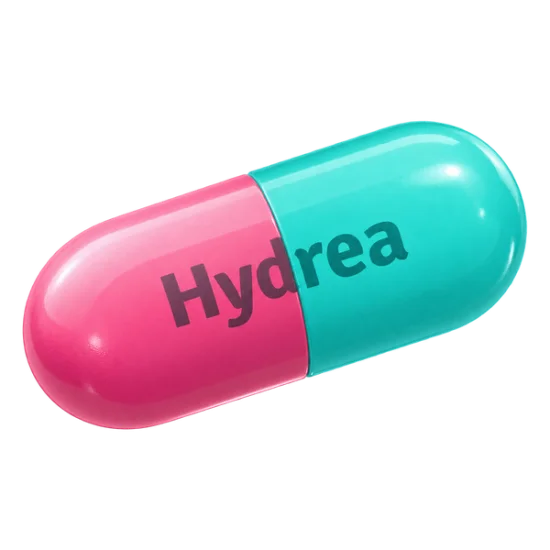
Hydrea
Active ingredient: Hydroxyurea
Delivery: from 4 days
- Only original products
- Worldwide Delivery
- 24/7 Support
Hydrea contains hydroxyurea, a medicine that slows DNA production in rapidly dividing cells. It is prescribed for selected blood disorders, including myeloproliferative neoplasms and sickle cell disease, where controlling abnormal blood-cell production is clinically important.
Product information
Hydrea contains hydroxyurea, a medicine that slows DNA production in rapidly dividing cells. It is prescribed for selected blood disorders, including myeloproliferative neoplasms and sickle cell disease, where controlling abnormal blood-cell production is clinically important.
Therapeutic indications
Hydrea is used for selected haematological conditions in which reducing blood-cell production or abnormal cellular proliferation offers a clinical benefit. The indication depends on the patient’s diagnosis and the prescribing specialist’s treatment plan.
| Condition | Main treatment objective | Relevant blood-cell effect |
|---|---|---|
| Polycythaemia vera | Reduce excessive blood-cell production | Helps lower elevated red-cell and sometimes platelet or white-cell counts |
| Essential thrombocythaemia | Control excessive platelet production | Reduces platelet overproduction and thrombotic risk |
| Sickle cell disease | Modify red-cell behaviour and production | Increases fetal haemoglobin in appropriate patients and reduces sickling complications |
| Selected leukaemia | Slow abnormal leukocyte proliferation | Suppresses rapidly dividing abnormal blood cells |
Myeloproliferative Neoplasms
Polycythaemia vera and essential thrombocythaemia are myeloproliferative neoplasms. In these disorders, the bone marrow produces too many blood cells. Excess red cells can increase blood viscosity, while excessive platelets can contribute to thrombosis.
Hydrea may be selected when cytoreduction is needed. Cytoreduction means lowering excessive blood-cell production. The goal is not to reduce every blood-cell count as far as possible. The goal is controlled reduction within a range chosen by the treating physician.
Sickle Cell Disease
In sickle cell disease, hydroxyurea can increase fetal haemoglobin, also called HbF. HbF does not sickle in the same way as haemoglobin S. Increasing its proportion may reduce red-cell sickling and the frequency of some complications in suitable patients.
The response develops gradually. Treatment requires ongoing monitoring because the same marrow-suppressing action that supports the therapeutic effect can also lower neutrophils, platelets, or haemoglobin.
Leukaemia
Hydroxyurea can be used in selected leukaemia treatment plans to reduce rapidly multiplying abnormal white blood cells. Its use depends on the type of leukaemia, the severity of the blood-count abnormality, and the broader oncology regimen.
Hydrea should not be viewed as a general treatment for every blood cancer. Its role is diagnosis-specific and determined by a haematologist.
How it affects the body
Hydroxyurea inhibits ribonucleotide reductase, an enzyme that converts ribonucleotides into deoxyribonucleotides. Deoxyribonucleotides are the building blocks required for DNA synthesis. When their supply falls, cells cannot progress normally through the DNA-replication cycle.
This produces several clinically relevant effects:
- Slower proliferation of abnormal bone-marrow cells.
- Reduced production of excessive red cells, white cells, or platelets.
- Reduced formation of sickled red blood cells in sickle cell disease.
- A therapeutic reduction in cellular activity within selected myeloproliferative disorders.
The medicine acts through cell-cycle control rather than by directly removing excess cells from the bloodstream. That is why regular blood testing is central to treatment. A physician uses the results to balance reduction of abnormal blood-cell production against the risk of excessive marrow suppression.
Hydroxyurea differs from medicines that mainly block a surface receptor or alter an immune signal. Its central pharmacological action is inhibition of DNA precursor production. The FDA prescribing information and NICE guidance describe hydroxyurea's ribonucleotide-reductase pathway and its resulting effect on DNA synthesis [2].
When not to use it
Hydrea is not suitable for everyone. It should not be used in people with a known serious allergy to hydroxyurea or hydroxycarbamide.
Treatment also requires specialist review in people with severe bone-marrow suppression, significant anaemia, very low neutrophils, or very low platelets.
Extra caution is needed with:
- Reduced kidney function.
- Liver disease.
- Previous or current skin ulcers.
- Active infection.
- Previous treatment with other marrow-suppressing medicines.
- Pregnancy or plans to become pregnant.
- Breastfeeding.
- Concurrent radiotherapy or cytotoxic treatment.
- A history of severe blood-count instability.
When this is not for you
Hydrea may be unsuitable when severe marrow suppression, pregnancy, breastfeeding, or an untreated serious infection is present; a specialist should assess these situations. Hydroxyurea can harm a developing fetus. Pregnancy should be discussed before treatment, and contraception requirements may apply to both the person taking the medicine and, in some circumstances, their partner. Breastfeeding is generally avoided during therapy because hydroxyurea can pass into breast milk.
Urgent assessment is needed for fever, chills, difficulty breathing, uncontrolled bleeding, black stools, blood in the urine, rapidly spreading bruising, severe mouth ulcers, confusion, or marked weakness. These symptoms can indicate infection, anaemia, thrombocytopenia, or another serious complication.
Possible side effects
Hydroxyurea can suppress bone-marrow activity. This is connected to its therapeutic mechanism, yet excessive suppression can become dangerous. The FDA label describes anaemia, neutropenia, thrombocytopenia, gastrointestinal symptoms, mucosal problems, and skin changes among recognised adverse effects [3].
Blood-Related Effects
- Anaemia: reduced red-cell production can cause tiredness, weakness, dizziness, or shortness of breath.
- Neutropenia: reduced neutrophils can weaken the body’s ability to respond to bacterial and fungal infections.
- Thrombocytopenia: reduced platelets can increase bruising or bleeding.
- Pancytopenia: all major blood-cell lines may fall in severe marrow suppression.
Other Reported Effects
Nausea, reduced appetite, fatigue, mouth ulcers, diarrhoea, constipation, skin changes, and headache may occur. Persistent mouth soreness deserves attention because it can reflect mucosal toxicity or lower blood counts. Skin ulcers, new pigmentation changes, or unusual skin lesions also require clinical assessment during long-term use.
A patient may feel well while a blood count is becoming unsafe. Symptoms alone cannot replace laboratory monitoring.
Long-term hydroxyurea exposure has been associated with skin changes and rare secondary malignancy concerns. The EMA product information supports periodic clinical review of blood counts, skin findings, and treatment response .
Ingredients
Hydrea contains hydroxyurea, also called hydroxycarbamide. These names refer to the same active substance. Hydrea belongs to the antineoplastic and immunomodulating medicines classified under ATC code L01XX05. It is taken orally as capsules.
Hydroxyurea is prescribed when reducing the production of certain blood cells or slowing abnormal cellular proliferation is needed. Treatment selection considers the diagnosis, kidney function, blood counts, age, and previous therapy. Blood-count targets help determine whether the regimen is providing sufficient control. Kidney function can affect exposure and dose selection. The prescribing specialist reviews these factors before treatment and during follow-up.
Active Ingredient Properties
Hydroxyurea acts mainly by limiting the supply of deoxyribonucleotides needed to build DNA. This effect is most pronounced in cells that are dividing rapidly, including abnormal bone-marrow cells and selected blood-cell precursors. The EMA classifies hydroxycarbamide-containing medicines within antineoplastic therapy [1].
Hydrea is not taken according to a universal schedule. The regimen for the chosen strength is confirmed with a healthcare professional before starting.
Dosage and administration
Hydrea is taken by mouth as capsules. The regimen for the chosen strength is confirmed with a healthcare professional before starting, and the dose may change after blood-count or kidney-function results.
Practical administration principles include:
- Take the capsules exactly at the prescribed frequency.
- Swallow the capsule with water.
- Take doses at a consistent time when possible.
- Do not open, crush, or chew the capsule.
- Do not double the next dose after a missed dose unless the prescribing team gives that instruction.
- If a capsule is missed, follow the specific missed-dose plan provided for the treatment regimen.
- Keep the medicine away from children and from anyone who is not responsible for administering it.
Hydroxyurea is a cytotoxic medicine. Anyone handling capsules should avoid unnecessary contact with the contents. A damaged capsule should not be opened or emptied. Hands should be washed after handling the medicine, and people involved in preparation should follow the handling instructions supplied by the treating service.
Regular complete blood counts are part of treatment. Monitoring commonly includes haemoglobin, neutrophils, platelets, and other blood-cell measurements. Kidney function can also influence treatment planning because hydroxyurea is cleared mainly through renal excretion.
Comparison
Hydroxyurea is one cytoreductive approach. Other strategies may target the same clinical problem through a different route.
| Approach | Main mechanism | Typical clinical role |
|---|---|---|
| Hydroxyurea | Inhibits ribonucleotide reductase and slows DNA synthesis | Oral cytoreduction for selected blood disorders |
| Therapeutic phlebotomy | Removes circulating blood directly | Reduces red-cell mass in selected cases of polycythaemia |
| Disease-specific targeted therapy | Blocks a defined molecular pathway | Used when the diagnosis and molecular profile support that option |
The choice depends on the diagnosis, treatment history, blood counts, kidney function, symptoms, and thrombotic risk. Phlebotomy removes blood that has already been produced, while hydroxyurea reduces the production of new cells. Targeted therapies act through different molecular pathways and may be considered when a specific disease marker or treatment response supports their use.
Common mistakes
Several practical mistakes can interfere with Hydrea treatment:
- Taking an extra capsule after forgetting a previous dose.
- Stopping suddenly without informing the prescribing team.
- Missing blood tests because the patient feels well.
- Opening capsules to mix the contents with food or drink.
- Sharing capsules with another person who has similar blood-count problems.
- Ignoring a fever, sore throat, mouth ulcer, or unexplained bruising.
- Starting an over-the-counter supplement without checking for blood or immune effects.
- Failing to mention warfarin, immunosuppressants, antiviral therapy, or radiotherapy.
- Assuming fatigue is harmless when it is new, severe, or accompanied by breathlessness.
What doctors say
In clinical practice, haematologists treat Hydrea as a medicine requiring active monitoring rather than a fixed daily product. The dose is selected around the diagnosis and blood-count targets, then refined as laboratory results and symptoms evolve.
The most useful expectation is controlled improvement, not an immediate change in every symptom. In sickle cell disease, fetal-haemoglobin changes and reductions in painful episodes may take time. In myeloproliferative neoplasms, the response is assessed through blood counts, spleen-related symptoms, clotting history, and treatment tolerance.
A physician would also look beyond the blood count. Mouth ulcers, leg ulcers, skin changes, infection symptoms, kidney results, and adherence all influence treatment decisions. A normal appointment does not mean monitoring can stop; blood-cell changes may develop between visits.
Common questions
Does Hydrea cause mouth ulcers?
Mouth ulcers are a recognised adverse effect of hydroxyurea and may also signal excessive mucosal or bone-marrow toxicity. The EMA product information for hydroxycarbamide, dated 2025, describes oral ulceration among possible treatment-related problems. Mild soreness should be reported if it persists, while severe ulcers, difficulty swallowing, or fever require urgent medical assessment.
What is the best time of day to take Hydrea?
There is no single universal clock time for every Hydrea regimen. The FDA's 2024 prescribing information states that dosing is individualised, so the most useful approach is taking it at the prescribed interval at a time that can be followed consistently. A morning or evening schedule may be used depending on the treatment plan, blood results, other medicines, and tolerability.
Which symptoms mean that Hydrea should be stopped and medical help sought urgently?
Fever, chills, severe sore throat, shortness of breath, uncontrolled bleeding, black stools, rapidly increasing bruising, confusion, or profound weakness can indicate infection or serious blood-count suppression. MOHAP's 2023 patient-safety guidance supports urgent assessment for severe infection or bleeding symptoms during medicines that affect blood cells. Do not take further doses until the treating service gives a clear instruction when an urgent reaction is suspected.
Can Hydrea be taken with food or on an empty stomach?
Hydrea may be taken with food or without food when the prescribed regimen allows, but taking it consistently in the same way can make the routine easier. The EMA's 2025 product information supports oral administration with water and advises avoiding manipulation of the capsule. If nausea occurs, taking the dose with a light meal may be more comfortable, but the capsule should not be opened, crushed, or chewed.
What happens if Hydrea is stopped, and does it need tapering?
Stopping Hydrea can allow the underlying blood-cell overproduction or sickling tendency to return, depending on the condition being treated. The WHO's 2009 essential-medicines guidance supports planned treatment changes for medicines with significant disease-control effects rather than unsupervised interruption. Hydrea is not generally tapered in the same way as a corticosteroid, yet stopping should still follow a physician-directed plan because blood counts and disease symptoms may change.
Do you offer anonymous delivery?
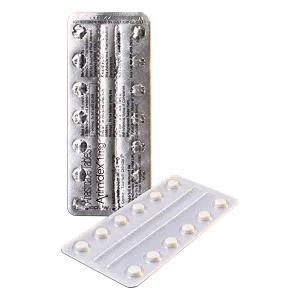
Your order will be securely packed and shipped within 24 hours. This is exactly what your package will look like (images of an actual item sent). It has the size and look of a regular private letter (24x11x0.7 cm) and its contents cannot be seen.
Comparison

How Buyers Rate Hydrea
-
Zubair, 36 Dubai · Several weeks 25 Oct 2026Rating: 5 out of 5I used Hydrea at the prescribed dose as part of my sickle cell treatment. After several weeks, I noticed fewer interruptions to my normal routine and was satisfied with the improvement. Taking the capsule at the same time each day made the schedule easier.
-
Hassan, 55 Abu Dhabi · Several weeks 11 Nov 2026Rating: 4 out of 5After several weeks at the prescribed dose, my blood counts became easier to control after starting Hydrea for a marrow-related condition. I kept the capsules in a secure place and attended the scheduled blood tests. The treatment became manageable once it was part of my daily routine.
-
Faisal, 40 Al Ain · Several weeks 23 Nov 2026Rating: 3 out of 5Hydrea, taken at the prescribed dose for several weeks, helped reduce some of my symptoms, but the improvement was slower than I expected. I also had mild mouth soreness for a short period and needed to discuss it with the treatment team. The benefit was real, though the monitoring and adjustment were inconvenient.
Sources
- European Medicines Agency (2025). Summary of Product Characteristics (SmPC) — hydroxycarbamide.
- U.S. Food and Drug Administration (2024). Hydrea (hydroxyurea) prescribing information.
- U.S. Food and Drug Administration (2024). Hydrea (hydroxyurea) Medication Guide.
