
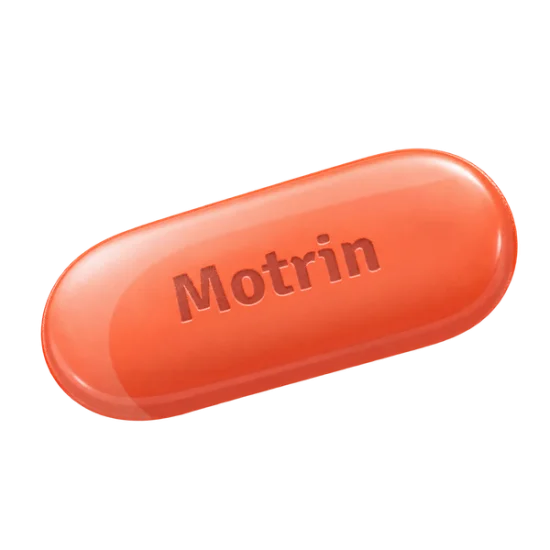
Motrin
Active ingredient: Ibuprofen
Delivery: from 4 days
- Only original products
- Worldwide Delivery
- 24/7 Support
Ibuprofen, the active ingredient of Motrin, is a nonsteroidal anti-inflammatory drug (NSAID) used for short-term relief of mild to moderate pain, inflammation, and fever.
Product information
Motrin tablets may help with headaches, muscular aches, toothache, menstrual cramps, joint discomfort, and minor arthritis pain. Ibuprofen reduces prostaglandin production, which lowers pain signalling, swelling, and elevated body temperature.
Therapeutic indications
Motrin tablets can be used for several common pain patterns when ibuprofen is appropriate for the individual. The expected response depends on the cause of the symptom, the dose selected, kidney and liver function, and whether another medicine is affecting the same system.
Common uses include:
- Headache and tension-related head pain.
- Toothache and short-term dental pain.
- Menstrual cramps.
- Muscle aches after everyday physical activity.
- Backache and minor soft-tissue pain.
- Joint stiffness and minor pain of arthritis.
- Fever associated with common short-term illnesses.
- Mild inflammation after a minor strain or other musculoskeletal irritation.
The anti-inflammatory action makes ibuprofen useful when swelling or tissue irritation contributes to pain. Acetaminophen can reduce pain and fever but does not provide the same anti-inflammatory effect.
| Symptom pattern | Main action of ibuprofen |
|---|---|
| Headache, toothache, menstrual cramps | Reduces prostaglandin-related pain signalling |
| Muscle and joint pain | Reduces pain signalling and inflammatory activity |
| Fever | Lowers prostaglandin activity in temperature-regulating pathways |
A painkiller should not be used to repeatedly mask pain that is becoming more frequent, stronger, or associated with weakness, swelling, bleeding, or unexplained weight loss.
How it affects the body
Therapeutic Classification of Ibuprofen
Ibuprofen belongs to the NSAID class of pain relievers. It works by inhibiting cyclooxygenase enzymes, commonly called COX-1 and COX-2. These enzymes help the body produce prostaglandins, chemical messengers involved in pain, inflammation, and fever.
Lower prostaglandin activity can ease tenderness and swelling around irritated tissues. The same mechanism can also reduce protective prostaglandins in the stomach and kidneys, which explains why gastrointestinal bleeding, fluid retention, and kidney problems are important safety concerns with NSAIDs.[1]
When not to use it
- Active stomach or intestinal ulceration.
- Previous gastrointestinal bleeding linked to an NSAID.
- Severe kidney disease.
- Severe liver disease.
- Significant heart failure.
- Poorly controlled high blood pressure.
- A history of NSAID-triggered asthma or nasal swelling.
- Dehydration or a condition causing substantial fluid loss.
- Pregnancy in the later stages.
Ibuprofen can interact with:
- Warfarin and other anticoagulants.
- Aspirin and other antiplatelet medicines.
- Corticosteroids.
- Selective serotonin reuptake inhibitors, which may add to bleeding risk.
- ACE inhibitors, angiotensin receptor blockers, and diuretics, which may increase kidney risk.
- Lithium, methotrexate, ciclosporin, and tacrolimus.
- Other NSAIDs, including prescription anti-inflammatory medicines.
Taking low-dose aspirin for cardiovascular protection requires special attention because ibuprofen may interfere with aspirin’s antiplatelet effect when taken at certain times. The medicines should not be combined casually.
When this is not for you
Motrin is not suitable for everyone. This medication is not for you if you have had an allergic reaction, asthma attack, facial swelling, or severe rash after ibuprofen, aspirin, or another NSAID.
Possible side effects
The most common problems with ibuprofen are stomach discomfort, indigestion, nausea, abdominal pain, dizziness, and headache. These effects are more likely with higher doses, prolonged use, older age, previous ulcers, alcohol use, or simultaneous treatment with medicines that affect bleeding.
Serious reactions require urgent medical attention. Warning signs include:
- Black or tarry stools.
- Vomiting blood or material resembling coffee grounds.
- Severe or persistent abdominal pain.
- Sudden chest pain, breathlessness, weakness, or speech difficulty.
- Marked swelling of the legs or rapid unexplained weight gain.
- Very low urine output.
- Facial swelling, wheezing, severe rash, or difficulty breathing.
NSAIDs can increase the risk of stomach or intestinal bleeding. They may also raise the risk of heart attack, stroke, worsening heart failure, and kidney injury, especially in people with cardiovascular disease, kidney disease, dehydration, or prolonged exposure.[2]
One detail patients often miss: a stomach that feels normal does not guarantee that bleeding risk is absent. Gastrointestinal bleeding can begin without strong pain.
Another practical point concerns dehydration. Vomiting, diarrhoea, heavy sweating, or poor fluid intake can reduce kidney blood flow and make NSAIDs more hazardous.
Ingredients
Motrin tablets contain ibuprofen as the active ingredient. Ibuprofen is a nonsteroidal anti-inflammatory drug that reduces prostaglandin production, helping relieve pain, inflammation, and fever.
Dosage and administration
- Dose: Take the individually selected ibuprofen dose in mg; the exact amount depends on age, other medicines, and health conditions.
- Frequency: Use the individually selected number of oral doses per day; the exact frequency is not established here.
- Timing: Swallow the tablet whole with a full glass of water. Taking it with food may reduce stomach discomfort, although the effect may begin slightly more slowly.
- Duration: Use for short-term relief of pain, inflammation, or fever, with the lowest effective dose for the shortest appropriate period. Long-term treatment for arthritis requires a different risk assessment.
- Route: Oral use only; swallow Motrin tablets whole unless the specific tablet design and instructions allow otherwise.
Comparison
Ibuprofen is one option within a wider group of pain and fever treatments. The most suitable choice depends on inflammation, stomach and kidney health, liver function, cardiovascular risk, age, and other medicines.
| Approach | Main feature |
|---|---|
| Ibuprofen, an NSAID | Helps reduce pain, fever, and inflammation; can irritate the stomach and affect kidneys |
| Acetaminophen | Helps reduce pain and fever; does not provide the same anti-inflammatory action |
| Topical anti-inflammatory treatment | Delivers anti-inflammatory medicine to a local area; useful exposure may be limited by the site and severity of pain |
Acetaminophen may be preferred when NSAIDs are unsuitable because of previous ulcer disease, kidney impairment, anticoagulant therapy, or cardiovascular risk. It brings its own limitation: excessive total intake can cause serious liver injury.
Topical treatment can be useful for localised joint or muscle symptoms, while oral ibuprofen provides systemic exposure. Oral treatment may be more practical for headache, menstrual cramps, or several painful areas, but systemic adverse effects remain relevant.
Combining pain relievers should be planned carefully. A product that contains ibuprofen must not be added to another NSAID without a clear clinical reason.
Common mistakes
Several avoidable mistakes reduce the benefit of Motrin or increase risk:
- Taking it together with another ibuprofen product.
- Assuming a different brand name means a different active ingredient.
- Using a household spoon for a liquid ibuprofen product.
- Taking the medicine during dehydration.
- Continuing daily use for weeks without reviewing the cause of pain.
- Combining ibuprofen with alcohol after previous stomach irritation.
- Forgetting that aspirin, anticoagulants, steroids, and some antidepressants can increase bleeding risk.
- Taking a missed dose too close to the next scheduled dose.
- Crushing a tablet without confirming that the dosage form allows it.
- Giving an adult tablet to a child without an age- and weight-based dosing decision.
If a dose is missed, do not automatically double the next dose. Follow the individual dosing plan and leave appropriate spacing between doses.
A recurring need for pain relief is itself useful clinical information. It can indicate osteoarthritis, migraine, dental disease, nerve pain, infection, or another condition requiring targeted treatment.
What doctors say
In clinical practice, doctors usually separate occasional symptom relief from repeated self-treatment. A single short course for a familiar minor ache presents a different risk profile from daily use for persistent arthritis or back pain.
A physician would usually ask four practical questions: what is causing the pain, how long has it lasted, what other medicines are being taken, and whether there is a history of ulcer, kidney, heart, or allergic disease. These answers help determine whether ibuprofen is appropriate.
The lowest useful dose for the shortest suitable period is a standard NSAID principle. NICE guidance also places emphasis on gastrointestinal risk assessment and protective treatment when longer NSAID use is necessary.[3]
Motrin may reduce pain enough to restore movement, sleep, or daily activity. It should not be used to postpone assessment of severe pain, repeated fever, progressive swelling, or symptoms suggesting infection or internal bleeding.
Common questions
What time of day is best for taking Motrin?
There is no universal clock time that suits every person; the timing depends on the dosing plan and the reason for use. Taking a tablet with food can reduce stomach irritation, while water helps the tablet pass comfortably. The FDA’s ibuprofen drug information, reviewed in 2023, supports using the lowest suitable dose for the shortest appropriate duration.[4]
Can older adults take Motrin?
Older adults can use ibuprofen in some circumstances, but age increases the likelihood of kidney impairment, ulcer complications, fluid retention, and interactions with cardiovascular medicines. A clinician should consider kidney function, blood pressure, anticoagulants, aspirin, and diuretics before repeated use. WHO guidance published in 2021 identifies older age and multimorbidity as important factors in safer medicine selection.
How soon does Motrin start to relieve pain?
Some people notice relief within a few hours, although the timing depends on the type and severity of pain, food intake, and individual response. Inflammatory joint symptoms may require repeated appropriate use before the full practical benefit becomes clear. The EMA’s ibuprofen pharmacology information, updated in 2022, describes ibuprofen as an NSAID that reduces prostaglandin-mediated pain and inflammation.
What happens if Motrin is stopped, and does it need tapering?
Motrin does not usually require tapering when it has been used for short-term pain relief. Stopping may allow the original pain, inflammation, or fever to return because the underlying condition has not necessarily resolved. NHS medicine guidance from 2024 supports stopping short-term ibuprofen when it is no longer needed, while persistent symptoms warrant assessment rather than indefinite continuation.
Can Motrin be combined with anticoagulants?
Combining ibuprofen with anticoagulants such as warfarin can increase the risk of gastrointestinal and other bleeding. The same concern applies to some antiplatelet medicines and corticosteroids. A 2023 FDA safety review of NSAID labelling continues to identify bleeding and cardiovascular risks that require attention when other medicines affect clotting.
Can Motrin cause stomach irritation?
Yes. Indigestion, nausea, abdominal discomfort, ulceration, and gastrointestinal bleeding are recognised NSAID-related problems. Taking the tablet with food may reduce mild irritation, but it does not eliminate the risk of bleeding. EMA ibuprofen safety information from 2022 advises special caution in people with previous ulcers, gastrointestinal bleeding, or medicines that increase bleeding risk.
Is alcohol safe while using Motrin?
Alcohol can worsen stomach irritation and may increase the chance of gastrointestinal bleeding when combined with ibuprofen. The risk is greater with heavy alcohol intake, previous ulcers, anticoagulants, steroids, or prolonged NSAID use. FDA NSAID safety information from 2023 supports avoiding combinations that add gastrointestinal or bleeding risk.
Do you offer anonymous delivery?
Your order will be securely packed and shipped within 24 hours. This is exactly what your package will look like (images of an actual item sent). It has the size and look of a regular private letter (24x11x0.7 cm) and its contents cannot be seen.
Comparison




Adult Motrin Tablets and Formulation Considerations
Motrin products can exist in different pharmaceutical forms, including solid tablets, liquid-filled capsules, nighttime combinations, and products intended for migraine symptoms. These are not interchangeable automatically. A liquid-filled capsule may release ibuprofen differently from a solid tablet, while a nighttime product may contain an additional ingredient that causes drowsiness.
For this reason, do not combine two ibuprofen-containing products to increase pain relief. Doing so can unintentionally increase the total NSAID exposure and the risk of stomach bleeding, kidney injury, and cardiovascular complications.
How Buyers Rate Motrin
-
Hamdan N., 57 Abu Dhabi 25 Oct 2026Rating: 3 out of 5I used one Motrin tablet as directed for a painful shoulder flare. The pain eased enough for me to sleep, but the relief was slower than I expected and I noticed mild stomach discomfort after the second dose.
-
Lakshmi L., 51 Deira 31 Oct 2026Rating: 2.5 out of 5I used Motrin as directed for my knee pain, but it did not help much. I also felt nauseated after taking it, so I stopped rather than continuing and discussed other options with my doctor.
-
Hamza N., 59 Bur Dubai 4 Nov 2026Rating: 4 out of 5I took one Motrin tablet as directed for a toothache while waiting for dental treatment. The ache became manageable within the same day, and I was satisfied that I could eat and sleep more normally.
-
Faisal H., 64 Al Barsha 10 Nov 2026Rating: 4 out of 5I took one Motrin tablet as directed, and it helped with stiffness in my hands during a short flare. I used it only briefly and found the tablets straightforward to swallow with water.
-
Waleed, 30 Mirdif 20 Nov 2026Rating: 5 out of 5I took one Motrin tablet as directed for a strong headache after a long workday. It gave clear relief and I was able to finish the evening without the pain distracting me.
Sources
- FDA (2023). Drug Facts label — ibuprofen
- EMA (2022). Summary of Product Characteristics (SmPC) — ibuprofen
- NICE (2022). Osteoarthritis in over 16s: diagnosis and management (NG226)
- FDA (2015). Drug safety communication — nonsteroidal anti-inflammatory drugs (NSAIDs)
