
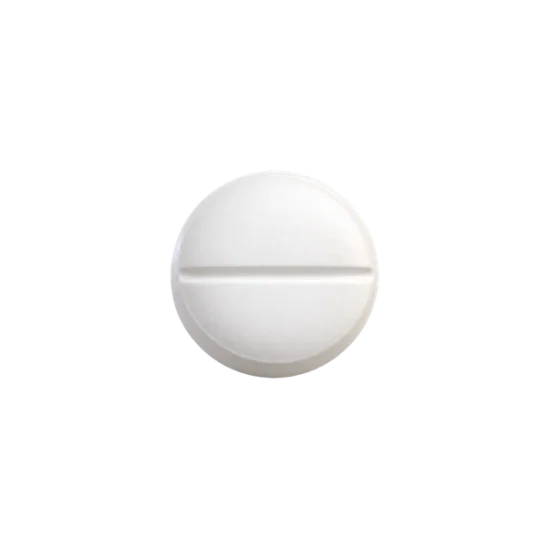
- Only original products
- Worldwide Delivery
- 24/7 Support
Adults with diagnosed narcolepsy, obstructive sleep apnea, or shift work sleep disorder may be prescribed Modalert to reduce excessive daytime sleepiness. Modalert contains modafinil, a wakefulness-promoting agent that influences brain signalling involved in alertness and sustained attention. Its dose is individualised.
Product information
Modalert is the product name used for tablets containing modafinil. Modafinil belongs to the wakefulness-promoting medicines known as eugeroics. Its clinical role is linked to excessive daytime sleepiness rather than general tiredness caused by insufficient sleep, anaemia, depression, thyroid disease, or another untreated condition.
Regulatory information from the European Medicines Agency and guidance from NICE address modafinil use within specific sleep-disorder indications and emphasise psychiatric and cardiovascular precautions [2].
Therapeutic indications
It is used in adults with excessive daytime sleepiness linked to narcolepsy, obstructive sleep apnea, or shift work sleep disorder when sleepiness persists despite appropriate management of the underlying condition [1].
Indications for Excessive Daytime Sleepiness
Narcolepsy may cause irresistible sleep episodes, sudden loss of muscle tone, sleep paralysis, and disrupted night-time sleep. Modafinil addresses the daytime sleepiness component, while other symptoms may require separate treatment.
Obstructive sleep apnea is associated with repeated breathing interruptions during sleep. Modafinil may be considered when significant daytime sleepiness continues despite appropriate primary treatment, such as positive airway pressure therapy. It does not remove the airway obstruction or replace treatment directed at breathing during sleep.
Shift work sleep disorder occurs when working hours conflict with the body’s normal circadian rhythm. Modafinil may help maintain alertness during a scheduled work period, though sleep timing, light exposure, and work-pattern adjustments remain clinically relevant.
A useful distinction is that Modalert supports wakefulness; it does not reduce the biological need for restorative sleep. Prolonged wakefulness can still impair judgement, reaction time, and emotional control.
How it affects the body
Modafinil affects several central nervous system pathways, including dopamine transport, noradrenaline, glutamate, histamine, and orexin-related wakefulness networks. The combined effect supports alertness and reduces the tendency to fall asleep during planned waking hours. The exact mechanism is more selective than that of traditional stimulant medicines.
When not to use it
Contraindications
NOT for you if:
- You have previously experienced a serious allergic reaction to modafinil or a related medicine.
- You have had a severe modafinil-associated skin reaction.
- You are pregnant or planning pregnancy without a clinician’s specific risk assessment.
- You have uncontrolled hypertension, significant heart disease, serious arrhythmia, or unexplained chest pain.
- You have active psychosis, uncontrolled mania, severe agitation, or unstable psychiatric illness.
- You have a history of serious medication-related hypersensitivity.
- You use medicines that interact with modafinil and the combination has not been clinically reviewed.
When this is not for you
Do not use Modalert without medical review if you are pregnant or planning pregnancy, have serious heart or blood-pressure problems, or have unstable mental-health symptoms. Tell your clinician if you are breastfeeding, taking medicines that may interact with modafinil, or have previously had a serious medication-related reaction. Avoid combining it with alcohol until the specific risk has been discussed.
Possible side effects
Clinical trials and regulatory safety information associate modafinil with headache, nausea, nervousness, anxiety, insomnia, dry mouth, reduced appetite, dizziness, and gastrointestinal discomfort. The intensity often depends on dose, timing, sleep deprivation, caffeine intake, and individual sensitivity. The FDA prescribing information describes psychiatric, cardiovascular, dermatological, and hypersensitivity warnings that require prompt attention [4].
Common effects include:
- Headache or pressure around the temples
- Nausea, stomach discomfort, or reduced appetite
- Difficulty falling asleep
- Anxiety, restlessness, or irritability
- Dry mouth
- Dizziness
- Palpitations or an awareness of the heartbeat
Headache may be worse when sleep is restricted or fluid intake is poor. Taking the tablet earlier, maintaining regular sleep, and limiting excess caffeine can reduce avoidable stimulation, though persistent symptoms require reassessment.
One practical detail is easy to overlook: modafinil may reduce the reliability of hormonal contraceptives by increasing the metabolism of contraceptive hormones. This interaction can continue after treatment ends, so contraceptive planning requires specific medical advice.
Another point concerns laboratory testing. Modafinil can affect some drug-metabolism pathways, which may alter exposure to medicines such as ciclosporin, certain anticonvulsants, anticoagulants, and some hormonal contraceptives. The exact interaction depends on the medicine and dose.
Serious Reactions Requiring Urgent Attention
Stop taking further doses and seek urgent medical assessment for a spreading rash, blistering skin, peeling skin, mouth ulcers, facial swelling, breathing difficulty, fever with rash, or yellowing of the skin. Rare severe skin reactions, including Stevens–Johnson syndrome, have been reported with modafinil.
Urgent assessment is also needed for hallucinations, mania, severe agitation, suicidal thoughts, chest pain, fainting, marked palpitations, or a major increase in blood pressure. These symptoms are uncommon but clinically significant.
Pregnancy requires special caution because modafinil exposure has been associated with concerns about fetal risk. Breastfeeding also requires an individual assessment. Children and adolescents require specialist prescribing because safety and evidence differ from adult treatment.
Alcohol can intensify dizziness, impaired judgement, sleep disruption, or psychiatric symptoms. Avoid combining alcohol with Modalert until a clinician has addressed the specific risk.
The drug can also alter the effect of medicines metabolised by CYP enzymes. Relevant examples include some oral contraceptives, anticonvulsants, anticoagulants, immunosuppressants, antidepressants, and sedative medicines. The product information reviewed by MOHAP provides the regulatory framework for medication safety in the UAE [5].
Ingredients
Modalert contains modafinil, a wakefulness-promoting medicine in the eugeroic class. The prescribed amount is individualised for each person and is used to reduce excessive daytime sleepiness associated with diagnosed sleep disorders.
Dosage and administration
The prescribed amount of Modalert is individualised rather than fixed for every person. Follow the dose and schedule issued for your diagnosis. Modafinil tablets are taken by mouth.
Typical clinical administration follows these principles:
- Take the tablet at the prescribed time with water.
- For narcolepsy or persistent daytime sleepiness, the dose is commonly scheduled in the morning.
- For shift work sleep disorder, the dose may be scheduled before the work period, according to the treatment plan.
- Avoid taking it close to the intended sleep period unless a clinician has specifically instructed this.
- Do not take extra tablets to compensate for reduced sleep or a missed dose.
- If a dose is missed, take it only when there is sufficient time before sleep and when doing so matches the prescribed plan; avoid doubling the next dose.
- Continue primary treatment for obstructive sleep apnea when it has been prescribed.
Dose timing can affect subsequent sleep.
Modafinil can remain active for many hours. A morning dose taken late in the day may delay sleep, while a shift-worker’s schedule may require a different timing plan. The correct schedule depends on the person’s waking period rather than the clock time alone.
Swallow the tablet as directed. Do not change the dose, frequency, or treatment duration because the first few doses feel weak or because wakefulness feels stronger than expected.
Comparison
Wakefulness treatment can involve medicines with different active substances and pharmacological profiles. Brand names may vary by country, while the clinically relevant comparison is the active ingredient, duration, interaction profile, and diagnosed indication.
| Treatment category | Active substance | Main clinical distinction |
|---|---|---|
| Modalert-type treatment | Modafinil | Racemic modafinil used for specified sleep-related conditions |
| Armodafinil-type treatment | Armodafinil | The R-enantiomer of modafinil, with a different pharmacokinetic profile |
| Traditional stimulant treatment | Amphetamine-type stimulants | Stronger sympathomimetic effects and a different misuse, cardiovascular, and psychiatric risk profile |
Modafinil and armodafinil are pharmacologically related, though they are not interchangeable on a tablet-for-tablet basis. Traditional stimulants can produce more pronounced effects on heart rate, blood pressure, appetite, and anxiety in some people. The choice depends on diagnosis, sleep pattern, previous response, cardiovascular status, psychiatric history, and local prescribing practice.
Modafinil is often considered when wakefulness support is needed without using a traditional amphetamine-type stimulant. Its limitations include headache, nausea, insomnia, anxiety, drug interactions, and rare serious skin or psychiatric reactions. The World Health Organization’s pharmacological information on psychoactive medicines supports evaluating benefit, misuse potential, and patient-specific risk rather than treating wakefulness as a general performance target [3].
Pharmacological Differences Between Modafinil and Armodafinil
Modafinil is a racemic compound. This means it contains two mirror-image molecular forms called enantiomers. Armodafinil contains predominantly the R-enantiomer, one of those two forms.
The distinction can affect absorption, elimination, and the period during which wakefulness is supported. Individual response still varies. Some people experience prolonged alertness or difficulty sleeping with either medicine, while others notice little practical difference.
Enantiomers are not separate diagnoses or different treatment goals. They are molecular forms of related compounds. A person who responds well to one should not switch to the other without a new dosing plan, because the prescribed amount and timing may need adjustment.
This matters during travel and shift changes. Taking a long-acting wakefulness medicine according to the home schedule while suddenly changing sleep hours can lead to insomnia, daytime fatigue, or an irregular sleep pattern.
Common mistakes
Several patterns make treatment less useful or increase adverse effects:
- Taking the tablet late in the day and then attributing insomnia to stress.
- Using Modalert to compensate for repeated short nights.
- Taking an extra dose after a poor response to the usual amount.
- Combining it with large amounts of caffeine or other stimulants.
- Continuing to drive after experiencing blurred vision, dizziness, anxiety, or unusual alertness.
- Stopping primary sleep-apnea treatment because daytime sleepiness improves.
- Forgetting to mention hormonal contraception, antidepressants, anticonvulsants, or anticoagulants.
- Treating a rash as a minor allergy and taking another tablet.
- Changing between modafinil and armodafinil without a new plan.
- Assuming that reduced appetite means the medicine is suitable for weight loss.
A common practical mistake is taking the tablet immediately before a night shift without considering the following sleep period. Shift workers need a schedule designed around their actual sleep opportunity, not a routine copied from daytime workers.
Another is judging the treatment after one unusually short night. Modafinil is prescribed for a defined sleep-wake disorder, not as a substitute for regular sleep.
What doctors say
In clinical practice, doctors usually assess the cause of sleepiness before prescribing modafinil. A person who sleeps too little, works irregularly, uses sedating medicines, or has untreated sleep apnea may need a broader treatment plan rather than simply stronger wakefulness support.
Physicians also ask whether the person falls asleep unintentionally, struggles to remain awake while driving, experiences cataplexy, snores heavily, or wakes with choking sensations. These details help distinguish narcolepsy, obstructive sleep apnea, circadian rhythm disorders, medication effects, and general fatigue.
A doctor would usually expect a measurable treatment goal. Examples include fewer unplanned sleep episodes, improved ability to remain awake during work, and better performance during a defined daytime period. “Feeling stimulated” is not the same as correcting pathological sleepiness.
Consistency matters, but dose escalation is not the default response to every difficult day. A poor night of sleep, missed apnea treatment, new antidepressant, illness, caffeine excess, or a changed work schedule may explain reduced alertness.
One clinical nuance deserves attention: modafinil can improve wakefulness while leaving sleep debt untouched. Patients who use it to extend study, work, or driving time beyond their normal sleep capacity may feel awake while still having impaired judgement.
Common questions
Can Modalert tablets be split, crushed, or chewed?
Tablets should be swallowed according to the prescribed instructions unless a clinician or authorised product information specifically permits another method. Crushing or chewing can make administration less predictable and may produce an unpleasant taste. The FDA’s oral modafinil information supports swallowing the tablet as supplied rather than improvising a different delivery method. The cited FDA information is dated 2023. If swallowing is difficult, discuss a suitable administration plan before altering the tablet.
Can older adults use Modalert?
Older adults may use modafinil when the indication is appropriate, but clinicians often proceed more cautiously. Age-related changes in liver, kidney, cardiovascular, and nervous-system function can increase sensitivity to insomnia, dizziness, blood-pressure changes, or interactions. MOHAP’s medicine-safety framework supports reviewing concurrent medicines and organ function when treating older patients. The cited MOHAP framework is dated 2024. A late dose may be more disruptive to sleep in later life, even when daytime wakefulness improves.
What is the best time of day to take Modalert?
For a conventional daytime schedule, the dose is usually taken in the morning. People working night shifts may receive an individually timed dose before the period when alertness is required. The EMA’s modafinil information links timing with sleep disturbance and the patient’s sleep-wake pattern. The cited EMA information is dated 2010. Taking it too late can cause difficulty falling asleep, while taking it too early may leave insufficient coverage during a later work period.
Do you offer anonymous delivery?
Your order will be securely packed and shipped within 24 hours. This is exactly what your package will look like (images of an actual item sent). It has the size and look of a regular private letter (24x11x0.7 cm) and its contents cannot be seen.
Comparison



How Buyers Rate Modalert
-
Nadeem H., 63 Umm Al Quwain · A few weeks 16 Nov 2026Rating: 5 out of 5I used Modalert at the prescribed dose for a few weeks for daytime sleepiness linked to my sleep disorder. After the first couple of weeks, I stayed awake through morning meetings and did not need to fight sleep after lunch. The improvement was practical and steady.
-
Suresh Z., 32 Al Khawaneej · First week of night shifts 20 Nov 2026Rating: 3 out of 5I took Modalert at the prescribed dose during my first week of night shifts. It helped me remain alert, but the first week brought mild headaches and I slept later than usual. Taking it earlier before work helped, although the benefit was only partial on very long shifts.
-
Bilal, 26 Mirdif · Several days 25 Oct 2026Rating: 1.5 out of 5I took Modalert at the prescribed dose for several days but did not get the result I expected. I felt restless and had trouble sleeping, so I stopped and discussed it with my doctor rather than increasing the amount myself.
-
Anil, 42 Jebel Ali · Several weeks 7 Nov 2026Rating: 5 out of 5After taking the prescribed dose for several weeks, the tablets made it easier to stay awake during the day when my sleep condition was controlled. I noticed the difference most during routine desk work, where I had previously struggled to keep my eyes open.
-
Usman T., 54 Madinat Zayed · Several weeks 29 Oct 2026Rating: 5 out of 5After using Modalert at the prescribed dose for several weeks, my alertness improved during the hours I needed to work. I took it early enough to protect my night sleep, and the effect felt useful without making me feel heavily stimulated.
Sources
- U.S. Food and Drug Administration (2015). Modafinil tablets prescribing information.
- European Medicines Agency (2010). Modafinil — Article 31 referral.
- World Health Organization (2023). WHO Expert Committee on Drug Dependence: critical review of psychoactive medicines.
- U.S. Food and Drug Administration (2023). Modafinil drug safety and prescribing information.
- MOHAP — Ministry of Health and Prevention (2024). Medicines and pharmaceutical products regulatory information.
