
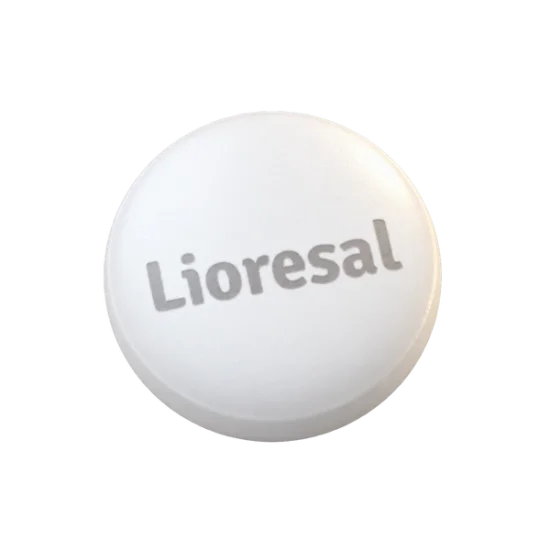
Lioresal
Active ingredient: Baclofen
Delivery: from 4 days
- Only original products
- Worldwide Delivery
- 24/7 Support
Lioresal contains baclofen, a centrally acting muscle relaxant that reduces excessive nerve signals to muscles. It is prescribed for adults with neurological spasticity, stiffness, and muscle spasms. By activating GABA-B receptors, it can improve movement while limiting painful or disruptive muscle overactivity.
Product information
Lioresal is an oral tablet containing baclofen, a centrally acting antispastic medicine. Spasticity means muscles remain tight or contract too easily because of altered signals in the brain or spinal cord. It differs from ordinary muscle soreness after exercise.
Baclofen Pharmacological Action
Nerve signals act like messages travelling along a communication network. In spasticity, some messages that trigger muscle contraction become excessively strong or frequent. Baclofen reduces this overactivity by stimulating GABA-B receptors, which are inhibitory receptors in the central nervous system.
This action lowers the release of excitatory neurotransmitters and reduces reflex muscle contraction. The result is less abnormal tone rather than complete paralysis of the treated muscles. Excessive relaxation can still occur if the dose is too high for the individual.
The EMA describes baclofen as a treatment for spasticity of spinal or cerebral origin [1].
Approved Clinical Role and Treatment Goals
Lioresal is intended for clinically significant neurological spasticity, not every form of back pain, leg cramp, or post-exercise tightness. Response depends on the diagnosis, severity of muscle overactivity, kidney function, age, concurrent medicines, and dose adjustment.
Some people notice easier movement. Others mainly experience fewer spasms at night. A useful treatment response should improve function or comfort without making standing, walking, or transfers harder because of weakness.
Therapeutic indications
Baclofen is used for spasticity associated with multiple sclerosis, spinal cord disorders, cerebral conditions, and other neurological diseases. It may reduce stiffness, spasms, abnormal muscle tone, and discomfort linked to involuntary contractions. Lioresal is intended for clinically significant neurological spasticity, not every form of back pain, leg cramp, or post-exercise tightness.
How it affects the body
Baclofen stimulates GABA-B receptors, which are inhibitory receptors in the central nervous system. This lowers the release of excitatory neurotransmitters and reduces reflex muscle contraction, decreasing abnormal muscle tone rather than completely paralysing the treated muscles.
When not to use it
Extra review is needed with kidney disease, a history of seizures, respiratory illness, frailty, significant balance problems, pregnancy, and breastfeeding. Lioresal can add to the sedating effects of alcohol, opioids, benzodiazepines, sleeping medicines, sedating antihistamines, and some antipsychotic medicines.
The FDA prescribing information warns about additive central nervous system depression with other sedating substances [2].
When this is not for you
Talk with a clinician before using Lioresal if you have kidney disease, seizures, respiratory illness, frailty, major balance problems, or if you are pregnant or breastfeeding. Be especially cautious if you use alcohol, opioids, benzodiazepines, sleeping medicines, sedating antihistamines, or some antipsychotic medicines, because the combination can cause profound sleepiness, confusion, falls, or slowed breathing.
Possible side effects
Baclofen can cause dose-related central nervous system effects. Common problems include drowsiness, dizziness, weakness, fatigue, nausea, headache, confusion, and reduced coordination. These effects may be more noticeable during treatment initiation or after an increase.
Muscle weakness deserves attention. Less spasticity may help movement, yet too much relaxation can make standing, walking, transfers, or physiotherapy more difficult. A dose that reduces spasms but prevents useful movement may need clinical adjustment.
Common Dose-Related Effects
Possible effects include:
- Sleepiness or reduced alertness
- Dizziness or light-headedness
- General weakness
- Tiredness
- Nausea or stomach discomfort
- Confusion, especially in older adults
- Poor coordination or unsteady walking
- Blurred vision or headache
Serious Reactions and Higher-Risk Patients
Urgent medical assessment is needed for severe drowsiness, breathing difficulty, fainting, hallucinations, seizures, severe confusion, or an allergic reaction with facial swelling, wheezing, or widespread rash. An overdose can suppress the central nervous system and may become life-threatening.
Ingredients
Lioresal is an oral tablet containing baclofen, a centrally acting antispastic medicine. Spasticity means muscles remain tight or contract too easily because of altered signals in the brain or spinal cord. It differs from ordinary muscle soreness after exercise.
Baclofen is used for spasticity associated with multiple sclerosis, spinal cord disorders, cerebral conditions, and other neurological diseases. It may reduce stiffness, spasms, abnormal muscle tone, and discomfort linked to involuntary contractions. It does not correct the underlying neurological disease.
Dosage and administration
Lioresal Dosage and Tablet Use
Lioresal tablets contain baclofen. The prescribed dose is decided individually, taking age, other medicines, and health conditions into account. A stronger tablet is not automatically a better option.
Tablet Strength Comparison
| Tablet strength | Clinical role | Important caution |
|---|---|---|
| Lower strength | May allow smaller dose adjustments when treatment is being initiated or reduced | Sleepiness, dizziness, weakness, and confusion can still occur |
| Higher strength | Provides more baclofen per tablet for an established prescribed schedule | Must not be selected or substituted solely because it is stronger |
Dose Selection Factors
A clinician may review age, health conditions, other medicines, and the response to treatment before changing the schedule. A higher-strength Lioresal tablet should never be treated as an automatic replacement for lower-strength tablets without professional direction.
Safe Administration of Lioresal
Take Lioresal exactly according to the prescribed schedule. Tablets are taken by mouth. Regular timing helps maintain consistent symptom control.
- Take each dose at the prescribed time.
- Swallow the tablet with water unless a prescriber gives different instructions.
- If a dose is missed, take it when remembered unless the next dose is close.
- Do not double the next dose to compensate for a missed dose.
- After an accidental extra dose, seek urgent medical advice, especially if marked sleepiness, weakness, confusion, or loss of consciousness develops.
- Avoid driving, climbing, or operating machinery until the personal response is known.
- Store tablets in a dry place away from children.
Abrupt schedule changes can worsen spasticity or trigger withdrawal symptoms.
Comparison
Generic Baclofen and Formulation Considerations
Generic baclofen products contain the same active ingredient as Lioresal and may be available in corresponding strengths. Pharmaceutical equivalence concerns the active substance and strength, while inactive ingredients, tablet appearance, colour, and coating can differ.
A formulation change may be uneventful for one person and uncomfortable for another because excipients, tablet handling, or adherence can change. Any switch should preserve the prescribed baclofen amount and schedule.
| Treatment category | Active ingredient | Substitution consideration |
|---|---|---|
| Lioresal | Baclofen | Use the prescribed strength and schedule |
| Generic baclofen | Baclofen | Confirm the strength, formulation, and intended substitution |
| Other antispastic treatments | Different active substances | Not interchangeable with baclofen without a new clinical decision |
Generic baclofen can be a suitable alternative when the prescriber confirms that the product, strength, and formulation match the treatment plan. A patient should not change between products independently.
Common mistakes
Several avoidable errors can reduce benefit or increase harm:
- Taking extra tablets for breakthrough spasms: contact the prescriber about uncontrolled symptoms rather than escalating independently.
- Mixing baclofen with alcohol: avoid alcohol because sleepiness and coordination problems may intensify.
- Driving after a dose increase: wait until alertness and balance are predictable.
- Stopping when symptoms improve: continue the prescribed schedule until a clinician creates a taper plan.
- Changing from 10 mg to 25 mg independently: tablet strength changes alter the amount of baclofen taken.
- Sharing tablets: spasticity has different causes, and baclofen may be unsuitable for another person.
- Ignoring kidney history: tell the prescriber about kidney disease, dialysis, or previous abnormal renal tests.
- Using several sedating products without review: include sleep aids, antihistamines, pain medicines, and herbal products in the medication list.
A common misconception is that stronger muscle relaxation always means better treatment. The intended outcome is usable movement and symptom control, not maximum weakness.
What doctors say
In prescribing practice, baclofen is usually judged by function rather than muscle relaxation alone. A useful response may mean fewer painful spasms, easier stretching, improved sleep, or safer movement. A numerical reduction in muscle tone is not helpful if the person becomes too weak to transfer or walk.
Doctors also watch for a narrow balance between benefit and sedation. Older adults, people with kidney impairment, and patients taking opioids or sleep medicines may need slower changes and closer observation.
A practical review includes:
- The original neurological diagnosis
- Which muscles are affected
- Spasm frequency and severity
- Walking, transfers, sleep, and personal care
- Daytime alertness and falls
- Kidney history and recent renal assessment
- Alcohol, sedatives, pain medicines, and supplements
Common questions
What is the best time of day to take Lioresal?
The best time is the schedule prescribed for your symptoms and daily activities. A regular routine can help maintain steadier baclofen exposure, while an evening dose may be arranged when spasms disturb sleep. FDA prescribing information reviewed in 2024 supports individual dose scheduling according to response and tolerability .
Can I drive, concentrate, or operate machinery while taking Lioresal?
Baclofen may cause drowsiness, dizziness, weakness, confusion, or reduced coordination, especially after starting treatment or changing the dose. Avoid driving and machinery until you know how Lioresal affects alertness and balance. UAE Ministry of Health and Prevention guidance published in 2024 emphasises assessing these effects before safety-sensitive work.
Can Lioresal be combined with alcohol, opioids, or sleeping medicines?
Alcohol, opioids, benzodiazepines, and sleeping medicines can intensify baclofen-related sedation and may slow breathing. Sedating antihistamines and some antipsychotic medicines can produce a similar additive effect. The WHO’s pharmacovigilance principles published in 2022 support a full medication review before combining centrally acting substances.
Is Lioresal suitable for people under 18?
Use in children and adolescents depends on the diagnosis, age, body size, neurological condition, and specialist assessment. A child should not receive an adult’s Lioresal tablets or schedule. The EMA product information for baclofen medicines, reviewed in 2024, requires age-appropriate clinical decisions rather than unsupervised use.
Can Lioresal be used during pregnancy or breastfeeding?
Pregnancy and breastfeeding require an individual assessment of the expected benefit and possible infant or pregnancy risks. Baclofen can affect the central nervous system, so the dose and timing need review when pregnancy is planned, confirmed, or recently completed. WHO medicine-use guidance current in 2025 supports discussing exposure with the treating clinician before changes are made.
How soon does the effect of Lioresal become noticeable?
Some people notice reduced spasms or stiffness after treatment begins, while the best balance between benefit and sedation may take longer because the dose is adjusted gradually. The time depends on the neurological condition, baseline muscle tone, kidney function, and treatment schedule. Clinical reviews indexed in PubMed through 2025 describe baclofen response as variable and support gradual adjustment rather than rapid self-escalation.
Do you offer anonymous delivery?
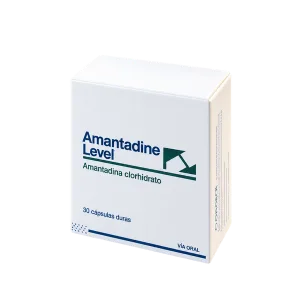
Your order will be securely packed and shipped within 24 hours. This is exactly what your package will look like (images of an actual item sent). It has the size and look of a regular private letter (24x11x0.7 cm) and its contents cannot be seen.
Comparison


Discontinuation and Baclofen Withdrawal Risks
Regular baclofen should not be stopped suddenly unless an emergency plan specifically instructs this. Abrupt discontinuation can cause rebound spasticity, itching, anxiety, agitation, confusion, hallucinations, fever, seizures, and severe muscle overactivity.
Severe withdrawal may cause dangerous neurological and systemic complications. Feeling better does not mean the underlying spasticity pathway has stopped responding to baclofen.
Withdrawal Symptom Pattern
Seek emergency care for:
- Seizures
- Severe confusion or hallucinations
- High fever
- Rapidly worsening muscle rigidity or spasms
- Breathing difficulty
- Loss of consciousness
Milder symptoms such as marked anxiety, itching, agitation, or a sudden return of severe spasms still require prompt medical review. A missed dose should not be “repaired” with a double dose.
Clinician-Guided Tapering
When treatment must end, the prescriber usually plans a gradual reduction suited to the duration of therapy, current dose, diagnosis, kidney function, and withdrawal risk. There is no single taper schedule suitable for every patient.
The WHO recognises baclofen withdrawal as a clinically significant risk when regular treatment is interrupted abruptly [3].
How Buyers Rate Lioresal
-
Suresh, 64 Hatta 25 Oct 2026Rating: 5 out of 5I used Lioresal tablets for regular leg spasms and found daily movement easier after the treatment had settled. Night-time interruptions became less frequent, and I was satisfied with the improvement.
-
Majid, 53 Al Dhaid 7 Nov 2026Rating: 5 out of 5The tablets reduced the stiffness that made getting up and walking difficult. I noticed a clear benefit over the first few weeks and felt the treatment fitted my routine well.
-
Waleed, 63 Abu Dhabi 13 Nov 2026Rating: 3 out of 5Lioresal reduced my spasms, but the benefit was slower than I expected. I also felt more tired at times, so the balance between mobility and sleepiness took some adjustment.
-
Ali S., 54 Bur Dubai 21 Nov 2026Rating: 4 out of 5I found the tablets helpful for muscle tightness and easier evening stretching. The improvement was practical rather than dramatic, but it made the routine more manageable.
Sources
- European Medicines Agency (2024). Summary of Product Characteristics (SmPC) — baclofen.
- U.S. Food and Drug Administration (2024). Baclofen Tablets — Prescribing Information.
- World Health Organization (2022). Medication safety guidance — polypharmacy.
