
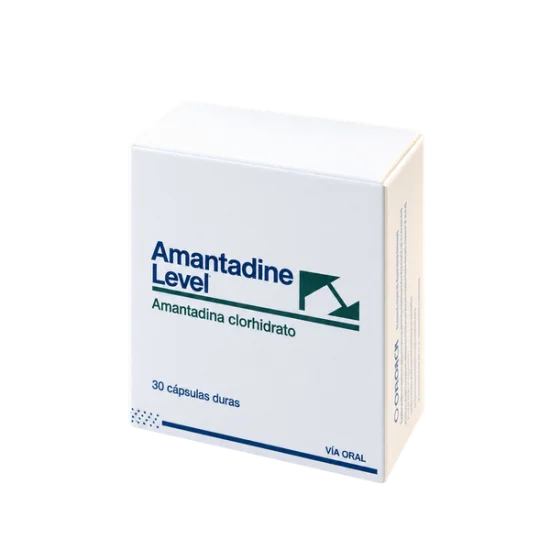
Amantadine
Active ingredient: Amantadine
Delivery: from 4 days
- Only original products
- Worldwide Delivery
- 24/7 Support
Amantadine hydrochloride, the active ingredient of Amantadine, is an antiviral and dopaminergic medicine used in Parkinson’s disease and drug-induced movement disorders. It can improve motor function, reduce rigidity, and help control levodopa-related dyskinesia; specialist-directed treatment may also address fatigue associated with multiple sclerosis.
Product information
Amantadine contains amantadine hydrochloride, an adamantane derivative with activity in the central nervous system. Its pharmacological effects involve dopamine signalling and glutamate pathways. The medicine is used in neurology for Parkinsonian symptoms, post-encephalitic parkinsonism, and extrapyramidal symptoms caused by some medicines.
Therapeutic indications
For Parkinson’s disease, amantadine may reduce slowness of movement, rigidity, tremor, and difficulty initiating movement. Clinicians may use it alone in selected cases or add it to levodopa-based treatment when involuntary movements become troublesome.
Amantadine hydrochloride may also help manage drug-induced extrapyramidal symptoms. These can include drug-related rigidity, tremor, restlessness, or abnormal muscle movements. The choice depends on the suspected cause, the person’s kidney function, age, and other medicines.
Fatigue is a common symptom in multiple sclerosis. Amantadine is sometimes used under specialist supervision for this purpose, although the response varies considerably between individuals and it does not alter the underlying course of multiple sclerosis.
Amantadine also has antiviral activity against influenza A, although resistance limits its role in routine antiviral treatment. Current clinical use focuses mainly on neurological indications.
How it affects the body
Amantadine acts through more than one neurological pathway. It promotes dopaminergic activity and also blocks NMDA receptors, which respond to the excitatory neurotransmitter glutamate.
Dopamine helps coordinate movement. In Parkinson’s disease, reduced dopamine activity within the basal ganglia contributes to bradykinesia, rigidity, and tremor. Amantadine can increase dopamine release and reduce dopamine reuptake, which may improve signalling in motor circuits.
NMDA receptor antagonism provides a second mechanism. Excessive glutamate activity can amplify abnormal motor signalling and contribute to dyskinesia. By reducing NMDA-mediated stimulation, amantadine may lessen involuntary movements associated with long-term levodopa treatment.
The relationship with levodopa is clinically useful. Levodopa supplies the precursor that the brain converts into dopamine, while amantadine modifies dopaminergic and glutamatergic signalling. The medicines may therefore be combined when Parkinson’s symptoms and dyskinesia require different pharmacological approaches. The EMA describes amantadine’s central nervous system actions and renal elimination in its product information [1].
A practical limitation is that the same stimulating activity that helps alertness or movement can cause insomnia, agitation, vivid dreams, or confusion. The balance is narrower in older adults and in people with reduced kidney function.
When not to use it
Amantadine is not suitable for everyone. The prescriber must assess kidney function, neurological history, heart rhythm, mental health, and concurrent medicines before selecting the regimen.
- You have had a serious allergic reaction to amantadine or a related ingredient.
- You have severe kidney impairment without a specialist-directed dose plan.
- You have uncontrolled epilepsy or a history of seizures that could be worsened by treatment.
- You have untreated psychosis or severe confusion.
- You have significant heart failure, marked ankle swelling, or a known rhythm disorder requiring medication review.
- You are taking interacting medicines that increase toxicity or prolong the QT interval without medical supervision.
Pregnancy and breastfeeding require an individual risk assessment. Amantadine crosses physiological barriers and may affect the developing infant; the prescriber should weigh the neurological indication against potential risks.
When this is not for you
Tell the prescriber about fainting, palpitations, hallucinations, seizures, kidney disease, ankle swelling, and all medicines for Parkinson’s disease, depression, sleep, allergies, or bladder symptoms.
Older adults require special attention because kidney filtration often declines with age even when no kidney disease has been diagnosed. Falls, confusion, hallucinations, and orthostatic hypotension may appear before a person recognises that the dose is too high.
Possible side effects
Amantadine can cause neurological, cardiovascular, skin, and gastrointestinal reactions. Mild effects may improve as the body adapts, while new confusion, severe dizziness, or unusual behaviour requires prompt medical assessment.
Commonly reported reactions include:
- Nausea, reduced appetite, dry mouth, or constipation
- Dizziness, light-headedness, or blurred vision
- Insomnia, vivid dreams, nervousness, or restlessness
- Headache and fatigue
- Confusion or difficulty concentrating
- Ankle swelling or peripheral oedema
- Livedo reticularis, a mottled purplish skin pattern usually affecting the legs
Livedo reticularis is a distinctive amantadine-related reaction. It is not usually an emergency by itself, but it should be reported because the prescriber may need to review treatment, circulation, dose, and other causes.
More serious reactions include hallucinations, marked agitation, psychosis, fainting, severe weakness, seizures, or significant cardiac rhythm disturbance. Serious toxicity becomes more likely when amantadine accumulates because of impaired renal clearance or when several centrally acting medicines are combined.
One detail patients often miss is that ankle swelling may develop gradually. A person may notice tighter shoes before recognising the symptom as peripheral oedema.
Another practical issue is driving. Dizziness, blurred vision, sleep disturbance, confusion, or sudden sleepiness can impair road safety, even when the pill was taken at the usual time.
Ingredients
The product is supplied as pills containing amantadine hydrochloride. The amount taken at each intake is set individually for each person rather than being one fixed number. Amantadine is also manufactured in other oral forms in clinical practice, including capsules and oral solutions, but the dosage form described here is pills.
Dosage and administration
The amount taken at each intake is selected individually rather than being one fixed number for every person. Prescribers consider the indication, response, age, kidney function, and concurrent medicines.
Administration Principles
- Take the pill by mouth with water.
- Follow the prescribed number of daily intakes and timing.
- Avoid taking a late dose near bedtime unless specifically directed.
- Do not double the next intake after a missed dose.
- Dose reduction may be needed when renal function is impaired.
- Stopping suddenly can worsen Parkinsonian symptoms or cause withdrawal-related complications in some patients.
Amantadine is eliminated mainly through the kidneys. Reduced clearance can cause accumulation, which increases the likelihood of confusion, hallucinations, falls, and other central nervous system reactions. The FDA prescribing information describes renal dose adjustment and age-related precautions [2].
Comparison
Amantadine occupies a specific place in movement-disorder treatment. Levodopa remains the strongest symptomatic option for many people with Parkinson’s disease, while other medicines target motor fluctuations, dopamine signalling, or off-period symptoms.
| Treatment approach | Main clinical role |
|---|---|
| Levodopa with a peripheral dopa-decarboxylase inhibitor | Improves bradykinesia and rigidity |
| Dopamine receptor agonists such as pramipexole or rotigotine | Stimulate dopamine receptors and may reduce off time |
| MAO-B inhibitors such as selegiline, rasagiline, or safinamide | Reduce dopamine breakdown and extend dopaminergic activity |
COMT inhibitors such as entacapone and opicapone prolong levodopa exposure. They may be considered when wearing-off occurs, though dyskinesia can increase if dopaminergic stimulation becomes too strong.
Trihexyphenidyl can help tremor in selected younger patients, but anticholinergic effects often limit its use in older adults. Dopamine agonists can cause sleep attacks, impulse-control disorders, hallucinations, and swelling, so their advantages must be weighed against these risks.
Amantadine may be chosen when dyskinesia is a major problem, while another treatment may be preferred when tremor, wearing-off, psychosis, or cognitive impairment dominates the clinical picture. NICE guidance supports an individualised approach to Parkinson’s disease medicines and motor complications [3].
Common mistakes
- Taking the final daily pill at bedtime and then attributing insomnia to stress.
- Doubling the next intake after forgetting one.
- Continuing the previous dose after kidney function changes.
- Ignoring new ankle swelling or mottled skin changes.
- Treating hallucinations as an unavoidable part of Parkinson’s disease.
- Adding an over-the-counter sleep, allergy, or bladder medicine without reviewing anticholinergic effects.
- Stopping suddenly after long-term use without a tapering plan.
- Measuring success only by tremor while overlooking improved mobility or dyskinesia.
- Driving after experiencing dizziness, blurred vision, or sudden sleepiness.
A person may also mistake medication-related restlessness for anxiety. Recording when the symptom appears in relation to each intake can help the prescriber identify a timing or interaction problem.
What doctors say
In clinical practice, neurologists usually set expectations before treatment begins. Amantadine may improve movement or dyskinesia, but the response is not guaranteed and may take time to judge. A useful treatment review considers function, sleep, falls, involuntary movements, hallucinations, and daytime alertness rather than relying on one symptom alone.
Doctors pay close attention to kidney function. The same oral amount can produce very different blood exposure in two people when renal clearance differs. This explains why a dose that suits one adult may cause confusion or hallucinations in another.
A second clinical observation concerns timing. If the medicine improves daytime mobility but disrupts sleep, moving the final intake earlier may help without abandoning treatment. Any adjustment should follow the prescribed plan.
Neurologists also distinguish dyskinesia from worsening Parkinson’s disease. Dyskinesia often appears as flowing, involuntary movements during periods of strong dopaminergic effect, while wearing-off causes symptoms to return as levodopa activity declines. The distinction guides the choice between adjusting levodopa, adding amantadine, or using another adjunct.
Common questions
Can Amantadine be taken with antidepressants or other neurological medicines?
Amantadine may be combined with levodopa, dopamine agonists, MAO-B inhibitors, or antidepressants, but the combination needs individual review. The WHO’s 2019 medication-safety guidance emphasises monitoring for additive neurological and cardiac effects. Citalopram, venlafaxine, tricyclic antidepressants, memantine, antipsychotics, and anticholinergic medicines can increase specific risks when combined with amantadine.
How does Amantadine differ from levodopa?
Levodopa increases dopamine production in the brain, while amantadine influences dopamine release, dopamine reuptake, and NMDA receptor activity. The two medicines can complement one another, especially when Parkinson’s symptoms coexist with levodopa-related dyskinesia. EMA product information published in 2018 for amantadine describes this distinct multimodal mechanism.
What should be done after a missed dose?
Take the missed pill when remembered unless the next scheduled intake is near. Skip it when taking both doses close together would be likely, then return to the established schedule. FDA prescribing information advises against doubling the next dose, and this principle remains relevant in 2026 because excess amantadine can increase confusion, dizziness, and hallucinations.
Can Amantadine cause hallucinations?
Yes. Hallucinations, confusion, vivid dreams, and agitation are recognised central nervous system reactions, with greater risk in older adults and people with reduced kidney function. The FDA prescribing information published in 2021 describes neuropsychiatric reactions that require monitoring with amantadine. New hallucinations, severe confusion, or unsafe behaviour require urgent clinical assessment.
Is Amantadine suitable for older adults?
Older adults can use amantadine in selected situations, but the dose often requires greater caution because kidney clearance may be reduced. The WHO’s 2019 medication-safety principles support renal assessment and review of falls, confusion, blood pressure, and concurrent medicines in this age group. An older person should report new sleepiness, hallucinations, ankle swelling, or unsteadiness promptly.
Can people under 18 take Amantadine?
Use in people under 18 depends on the diagnosis, formulation, and specialist judgement. Paediatric treatment is not automatically interchangeable with adult treatment because body size, kidney clearance, and neurological conditions differ. EMA safety information published in 2018 and paediatric prescribing principles require a clinician to determine whether amantadine is appropriate for a specific child or adolescent.
How long does an Amantadine course last, and is long-term use acceptable?
The duration depends on the indication and response. Some people use amantadine for a limited treatment trial, while others continue it for longer periods when benefits remain greater than adverse effects. NICE Parkinson’s disease guidance published in 2017 supports regular review of ongoing treatment, and continued use should include assessment of kidney function, cognition, sleep, falls, and movement control.
Do you offer anonymous delivery?
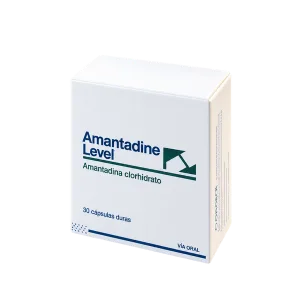
Your order will be securely packed and shipped within 24 hours. This is exactly what your package will look like (images of an actual item sent). It has the size and look of a regular private letter (24x11x0.7 cm) and its contents cannot be seen.
Comparison


How Buyers Rate Amantadine
-
Bilal M., 56 Sharjah · 2 weeks 25 Oct 2026Rating: 3 out of 5I used the 100 mg pills for Parkinson’s-related stiffness and noticed easier movement after the first couple of weeks. The benefit was real, but sleep became lighter when I took the second pill too late, so the timing needed attention.
-
Yousef, 43 Ruwais · 1 month 4 Nov 2026Rating: 3 out of 5Amantadine reduced the involuntary movements that appeared with my other treatment. It did not remove them completely, and I had a dry mouth during the first month, but the improvement was enough to continue under supervision.
-
Rashid, 56 Madinat Zayed · Several weeks 10 Nov 2026Rating: 5 out of 5After several weeks, getting up from a chair and starting to walk felt less difficult. I was satisfied with the change and found the pills straightforward to take each day.
-
Samir, 46 Dubai · 1 month 16 Nov 2026Rating: 5 out of 5The main difference was better control of my movements during work hours. The improvement was gradual, but by the end of the first month I felt more confident handling normal daily tasks.
-
Sultan, 51 Mussafah · Several weeks 22 Nov 2026Rating: 4 out of 5Amantadine helped reduce the extra movements that had become distracting. I noticed the benefit over time and was pleased that my routine felt more manageable.
Sources
- European Medicines Agency (2018). Summary of Product Characteristics (SmPC) — amantadine.
- U.S. Food and Drug Administration (2021). Gocovri (amantadine) prescribing information.
- National Institute for Health and Care Excellence (2017). Parkinson’s disease in adults: diagnosis and management.
