
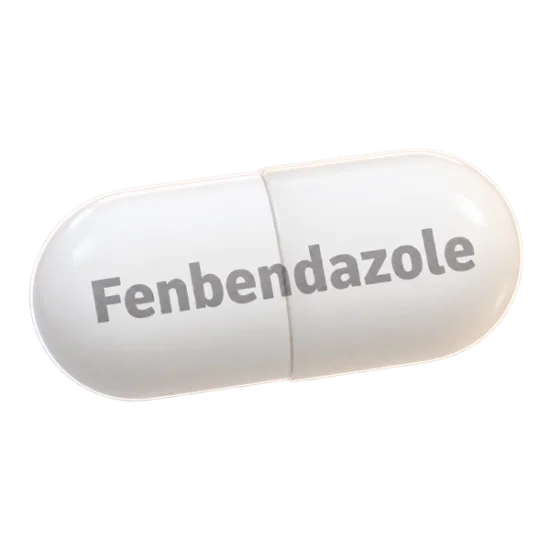
Fenbendazole
Active ingredient: Fenbendazole
Delivery: from 4 days
- Only original products
- Worldwide Delivery
- 24/7 Support
Fenbendazole capsules are taken orally in veterinary treatment of intestinal parasitic worms. The active substance is a benzimidazole anthelmintic used for susceptible roundworms, hookworms, whipworms, and related gastrointestinal parasites in animals.
Product information
Fenbendazole belongs to the benzimidazole chemical family. These compounds contain a characteristic fused ring structure that supports binding to tubulin, a protein needed to form microtubules. In veterinary pharmacology, fenbendazole is classified as a broad-spectrum anthelmintic and antiparasitic drug.
The product form is capsules. The dose is decided individually, taking the animal’s species, body weight, age, other medicines, and health conditions into account.
Its main pharmacological action is disruption of parasite microtubules, which interferes with energy use and survival [1].
Therapeutic indications
Fenbendazole is used in veterinary parasitology against several gastrointestinal nematodes. The exact indication depends on the animal species, parasite identified, local authorization, and treatment protocol used by the veterinarian. The FDA Center for Veterinary Medicine evaluates veterinary anthelmintic products according to species, target parasites, dosing, and residue considerations [2].
| Parasite group | Typical veterinary relevance | Main effect of treatment |
|---|---|---|
| Roundworms | Gastrointestinal nematode infections | Reduces adult and developing parasite stages |
| Hookworms | Intestinal blood-feeding nematodes | Removes susceptible worms from the intestinal tract |
| Whipworms | Colonic nematode infections | Limits parasite survival and reproduction |
Fenbendazole may be used in dogs, cats, horses, cattle, goats, sheep, and other animals when the veterinary formulation and indication are appropriate. Species-specific differences matter. A capsule intended for one animal cannot automatically be considered suitable for another.
Clinical signs of intestinal helminth infection can include weight loss, poor growth, diarrhoea, abdominal discomfort, reduced coat quality, anaemia, or visible worms in faeces. These signs also occur with non-parasitic illnesses, so treatment should follow a confirmed or strongly suspected veterinary diagnosis.
The drug acts mainly on susceptible nematodes rather than every possible intestinal parasite. Protozoa, tapeworms, and resistant parasite populations may require a different treatment approach.
How it affects the body
Fenbendazole binds to parasite β-tubulin and interferes with microtubule polymerization. Microtubules support cell division, intracellular transport, nutrient absorption, and maintenance of cellular structure. When this system fails, the parasite cannot maintain normal intestinal function or use nutrients effectively.
The pharmacological sequence can be described in four stages:
- Fenbendazole binds preferentially to tubulin in susceptible parasites.
- Microtubule formation becomes abnormal.
- Glucose uptake and intracellular transport decline.
- Energy depletion leads to immobilization and death of the parasite.
Parasites depend on microtubules for the movement of secretory material and the maintenance of absorptive cells. Disruption of these structures causes progressive metabolic failure rather than immediate paralysis.
Laboratory research has also explored effects on mammalian cancer-cell models. Reported findings include oxidative stress, reduced glucose uptake, glycolysis inhibition, G2/M phase arrest, and apoptosis. These observations are pharmacodynamic research signals, not proof of a clinical anticancer benefit in people. The American Cancer Society and regulatory agencies do not treat laboratory findings as a substitute for controlled human trials.
The proposed anticancer mechanisms remain separate from fenbendazole’s established veterinary anthelmintic use. Results observed in cell cultures may depend on concentrations that are not achievable or safe in humans. Animal-model findings also cannot establish a suitable human dose.
When not to use it
- Known allergy to fenbendazole or another benzimidazole.
- Previous serious reaction to an anthelmintic.
- Severe liver disease.
- Pregnancy or lactation when the species-specific safety evidence is limited.
- Very young, debilitated, dehydrated, or severely underweight animals.
- Concurrent use of medicines that may affect the liver or bone marrow.
- Treatment of a parasite not susceptible to fenbendazole.
- Use in food-producing animals without attention to applicable residue and withdrawal requirements.
Specific interaction data vary by species. Tell the veterinarian about corticosteroids, anticonvulsants, immunosuppressants, chemotherapy, liver-active medicines, and other antiparasitic products being used.
When this is not for you
This product is not for you if you are seeking human cancer or parasite treatment, or if you cannot obtain veterinary direction for an animal-specific dose.
Possible side effects
Veterinary tolerability is influenced by species, dose, treatment duration, liver function, intestinal disease, and concurrent medicines. Reported reactions can include digestive upset, vomiting, diarrhoea, reduced appetite, lethargy, or hypersensitivity. Persistent symptoms require clinical assessment because they may reflect the infection itself or another disease.
Potential warning signs include:
- Repeated vomiting or profuse diarrhoea.
- Marked weakness or collapse.
- Facial swelling, hives, or breathing difficulty.
- Yellowing of the gums or eyes.
- Severe loss of appetite.
- Dark urine or unusually pale faeces.
Allergic reactions need prompt veterinary attention. Liver-related problems are uncommon but clinically relevant when an animal receives prolonged treatment or has pre-existing hepatic disease.
One practical detail is easy to miss: digestive symptoms after treatment are not always evidence that the parasite burden is clearing. Dehydration, obstruction, pancreatitis, and infectious enteritis can produce similar signs.
Another detail concerns reinfection. Treating an animal without addressing contaminated bedding, faeces, soil, kennels, or shared living spaces can result in recurring parasite exposure.
Ingredients
The capsules contain fenbendazole, an active substance from the benzimidazole chemical family. Fenbendazole is a broad-spectrum veterinary anthelmintic that disrupts parasite microtubules, interfering with energy use and parasite survival.
Dosage and administration
Fenbendazole is supplied here as capsules. Oral administration allows the active substance to pass through the gastrointestinal tract, where it reaches intestinal parasites. The appropriate treatment schedule depends on the animal, parasite, body weight, and clinical purpose.
Raw powder and research-grade preparations should not be treated as interchangeable with measured capsules. A powder may require analytical weighing, controlled handling, and a validated protocol. It does not provide the same practical dosing control as a finished oral capsule.
The following principles apply to administration:
- Use the veterinary-directed dose for the specific animal.
- Give the capsule by the oral route.
- Do not estimate a dose from capsule appearance.
- Do not combine different fenbendazole preparations without calculating the total exposure.
- Do not continue treatment beyond the prescribed course.
- If a dose is missed, follow the veterinary treatment plan rather than doubling the next dose.
Comparison
Fenbendazole, mebendazole, and albendazole share the benzimidazole pharmacophore and act on parasite tubulin. Their approved uses, absorption, metabolism, formulations, and regulatory indications differ.
| Active substance | Main clinical context | Pharmacological distinction |
|---|---|---|
| Fenbendazole | Veterinary treatment of susceptible helminths | Established veterinary anthelmintic use |
| Mebendazole | Human treatment of selected intestinal helminths | Human formulations and indications vary by jurisdiction |
| Albendazole | Human and veterinary treatment of selected parasitic infections | Broader systemic use in several human parasitic diseases |
A related chemical structure does not mean that the products are interchangeable. Albendazole and mebendazole have human treatment protocols that differ from veterinary fenbendazole protocols. The EMA evaluates medicines according to their specific active substance, formulation, indications, and evidence base [3].
Fenbendazole also differs from related benzimidazoles in metabolism and tissue exposure. Veterinary prescribing decisions consider species, parasite susceptibility, food-producing-animal restrictions, and withdrawal requirements where relevant.
Common mistakes
Several practical errors can reduce treatment success:
- Using the same dose for animals with different body weights.
- Treating a cat, dog, horse, or livestock animal with a protocol intended for another species.
- Giving a capsule intended for veterinary use to a person.
- Crushing or opening a capsule without knowing whether the formulation permits it.
- Doubling the next dose after a missed administration.
- Stopping early when symptoms improve.
- Repeating treatment because diarrhoea continues without confirming the cause.
- Ignoring faecal contamination and reinfection sources.
- Combining fenbendazole with another anthelmintic without a calculated plan.
- Using fenbendazole for tapeworms or protozoal disease without confirming susceptibility.
What doctors say
Veterinary clinicians generally choose fenbendazole after considering the suspected parasite, the animal’s weight, the species, and the local resistance pattern. A faecal examination may help identify eggs or oocysts, although a negative result does not always exclude infection.
A veterinarian would also consider whether the animal needs supportive care. Severe diarrhoea, anaemia, dehydration, or weight loss may require treatment beyond an anthelmintic.
Treatment failure has several possible explanations. The parasite may be resistant, the dose may be unsuitable, reinfection may have occurred, or the original diagnosis may have been incorrect. Repeating courses without reassessment can expose the animal to unnecessary medicine.
Clinical evidence should be separated from online enthusiasm. The FDA Center for Veterinary Medicine and EMA assess veterinary medicines through defined evidence and risk frameworks, while anecdotal reports do not provide equivalent confirmation.
Common questions
Can older adults use Fenbendazole?
Fenbendazole is intended for veterinary use, not routine treatment of people. Older adults should not take it for a personal medical condition because human safety, dosing, and clinical benefit have not been established. The WHO's 2024 guidance separates veterinary antiparasitic medicines from medicines supported for human treatment. A physician can assess any human exposure using the person's medical history and current medicines. Age-related liver disease and polypharmacy could increase risk, so human exposure requires urgent medical advice rather than self-treatment.
Can Fenbendazole affect driving, concentration, or machinery work?
A person should not use veterinary fenbendazole and then assume it is compatible with driving or machinery work. Human effects on concentration, reaction time, and alertness have not been adequately established. Veterinary patients may show lethargy or digestive illness from the underlying condition or treatment, which can affect safe handling around equipment. Guidance from MOHAP published in 2025 should be followed for any suspected human exposure or adverse reaction.
Can Fenbendazole be combined with other medicines or supplements?
Do not combine fenbendazole with other medicines or supplements without a veterinary treatment plan. Special caution is appropriate with liver-active drugs, chemotherapy, immunosuppressants, corticosteroids, anticonvulsants, and other antiparasitic agents. The FDA Center for Veterinary Medicine's 2024 regulatory materials evaluate drug use within defined species and dosing conditions, so combinations cannot be assumed safe from chemical similarity alone. A complete list of current treatments helps identify avoidable interactions.
Can people under 18 use Fenbendazole?
Fenbendazole is not an established medicine for children or adolescents. A child should not receive a veterinary capsule for worms, cancer, or any other condition. WHO human helminth-control guidance published in 2024 uses medicines and schedules supported for people, which are separate from veterinary fenbendazole protocols. Suspected exposure requires immediate contact with a poison or medical service.
What should be discussed with a doctor before starting Fenbendazole?
A person should disclose any intended or previous use of fenbendazole, the amount taken, the timing, and every other medicine or supplement involved. Symptoms such as vomiting, abdominal pain, jaundice, rash, or unusual weakness are clinically relevant. EMA safety principles published in 2023 require exposure history and suspected adverse effects to be assessed in context. Fenbendazole should not be started as an anticancer treatment or as a substitute for an established human therapy.
What should be done if the expected result does not occur?
For an animal, lack of improvement may indicate resistance, reinfection, an incorrect dose, or a different diagnosis. The next step is veterinary reassessment rather than an unsupervised repeat course. The FDA Center for Veterinary Medicine's 2024 materials recognise that parasite control depends on the target species, parasite, product, and dosing regimen. For a person using fenbendazole, the absence of an expected result is a reason to stop self-treatment and obtain medical assessment.
Do you offer anonymous delivery?
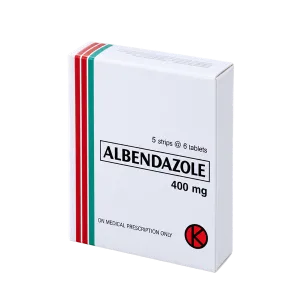
Your order will be securely packed and shipped within 24 hours. This is exactly what your package will look like (images of an actual item sent). It has the size and look of a regular private letter (24x11x0.7 cm) and its contents cannot be seen.
Comparison
How Buyers Rate Fenbendazole
-
Hamdan, 68 Deira 26 Oct 2026Rating: 3 out of 5I used the capsules for my dog over the course recommended for his weight. His appetite improved gradually, but the loose stool continued for several days, so the result felt incomplete and I arranged a veterinary review.
-
Sultan, 58 Al Reem Island 3 Nov 2026Rating: 3.5 out of 5The treatment helped my cat’s parasite symptoms, although she seemed quieter and ate less during the first day. I did not repeat the dose and discussed the reaction before continuing.
-
Mark C., 50 Khor Fakkan 10 Nov 2026Rating: 4.5 out of 5I gave the capsules according to the veterinary plan for my dog. His coat and appetite improved over the following weeks, and the routine was easy to manage.
-
Omar, 32 Al Barsha 13 Nov 2026Rating: 4.5 out of 5The course was straightforward for my young dog. His stools became normal and his energy returned, which was the clear improvement I had hoped to see.
-
Ahmed, 48 Al Dhaid 21 Nov 2026Rating: 4 out of 5Fenbendazole fitted the treatment plan for my horse’s suspected intestinal worms. I kept the dosing record and noticed better condition and appetite after the course.
Sources
- FDA Center for Veterinary Medicine (2020). Animal Drugs @ FDA: veterinary fenbendazole product information.
- FDA Center for Veterinary Medicine (2019). Animal Drugs @ FDA — veterinary fenbendazole product information.
- European Medicines Agency (2022). Veterinary medicinal product information — fenbendazole.
