
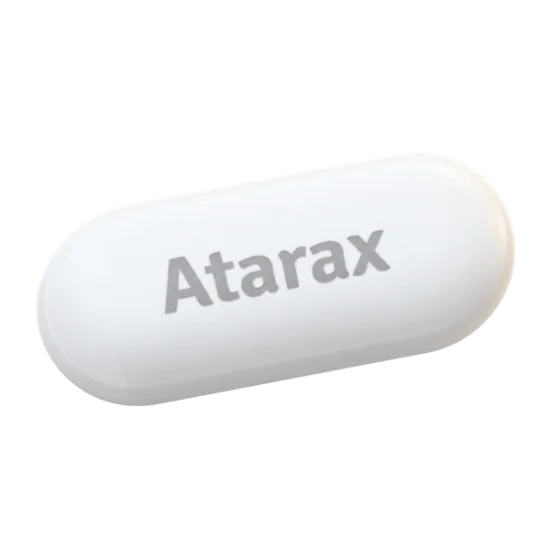
Atarax
Active ingredient: Hydroxyzine
Delivery: from 4 days
- Only original products
- Worldwide Delivery
- 24/7 Support
Atarax tablets are used in adults for allergic itching, certain anxiety symptoms, and other clinician-directed indications. By blocking histamine H1 receptors, hydroxyzine reduces allergic responses and dampens central nervous system activity.
Product information
Atarax is a medicine containing hydroxyzine hydrochloride as its active ingredient. It belongs to the first-generation antihistamine group and also has anxiolytic activity.
Therapeutic indications
Atarax is used for several clinical purposes, with the exact indication and dosing schedule selected according to the patient’s age, symptoms, medical history, and other medicines.
Dermatological and allergic indications
Hydroxyzine is used to relieve itching associated with allergic skin conditions, urticaria, and other pruritic disorders. It may also help with allergic manifestations such as histamine-related skin irritation. Its sedating action can make night-time itching easier to tolerate, although daytime drowsiness may occur.
Hay fever symptoms can involve histamine release, but less-sedating antihistamines are often preferred when regular daytime alertness is needed. Atarax may be chosen when itching or sleep disruption is a major part of the presentation.
Anxiety management and adjunctive uses
Atarax may be prescribed for anxiety symptoms that require short-term relief from tension or agitation. Its action differs from that of benzodiazepines because hydroxyzine primarily combines H1 antihistamine activity with central nervous system suppression rather than directly enhancing benzodiazepine receptor signalling.
This does not make hydroxyzine suitable for every anxiety disorder. Persistent or severe anxiety may require a structured treatment plan rather than repeated sedating doses. Interstitial cystitis is sometimes discussed as an off-label use, especially when an allergic or mast-cell component is suspected, but evidence and prescribing practice vary.
Hydroxyzine does not treat the underlying cause of every itching or anxiety condition. A response to sedation should not be mistaken for resolution of the disease causing the symptoms.
How it affects the body
Hydroxyzine acts mainly as a competitive antagonist at histamine H1 receptors. In plain language, it occupies these receptors and reduces the ability of histamine to produce itching, redness, swelling, and related allergic effects.
The drug also crosses into the central nervous system. Central H1 blockade reduces wake-promoting signalling, which can produce sleepiness and calmness. Anticholinergic activity contributes to dry mouth, blurred vision, constipation, and difficulty passing urine in susceptible people. These effects vary between individuals. They can be more pronounced in older adults or with other sedating medicines.
Atarax therefore has two clinically relevant effects:
- Peripheral H1 blockade reduces histamine-mediated itching and allergic symptoms.
- Central H1 blockade contributes to sedation and reduced alertness.
- Central nervous system suppression may ease tension but can impair concentration.
- Anticholinergic activity can worsen dry mouth, constipation, or urinary retention.
Hydroxyzine is not a stimulant. Its calming effect can become excessive when combined with alcohol, opioids, sleeping tablets, sedative antihistamines, or other central nervous system depressants.
The European Medicines Agency has highlighted the importance of using hydroxyzine at the lowest suitable exposure for the shortest practical duration in people with cardiac risk factors because of possible QT-interval effects [1].
When not to use it
Atarax is not suitable for everyone. This medication is not for you if you have a known allergy to hydroxyzine, cetirizine, aminophylline, ethylenediamine, or another component of the formulation.
Avoid hydroxyzine or obtain a specific prescribing assessment if any of the following applies:
- Congenital long QT syndrome or a known prolonged QT interval
- Previous torsades de pointes or another serious ventricular rhythm
- Significant cardiovascular disease
- A very slow resting heart rate
- Low potassium or low magnesium that has not been corrected
- A close relative with sudden cardiac death from an unexplained cause
- Severe kidney or liver impairment
- Glaucoma, urinary retention, or significant prostate-related obstruction
- Epilepsy or a history of seizures
- Pregnancy or breastfeeding without a clinician-led risk assessment
Hydroxyzine can interact with medicines that prolong the QT interval, including some antiarrhythmics, macrolide antibiotics, fluoroquinolones, antipsychotics, and certain antidepressants. It can also intensify the effects of opioids, sleeping tablets, benzodiazepines, sedating antihistamines, and other central nervous system depressants.
The combination with monoamine oxidase inhibitors requires careful medical review because adverse central and anticholinergic effects may become more pronounced. The same caution applies to medicines used for anxiety or sleep, including alprazolam and lorazepam; brand references such as Xanax or Ativan represent the same benzodiazepine-related concern.
The American Geriatrics Society lists first-generation antihistamines among medicines that often deserve avoidance or close review in older people because of anticholinergic burden [2].
When this is not for you
Atarax may not be suitable if you have heart-rhythm problems, a very slow heartbeat, low potassium or magnesium, serious kidney or liver disease, glaucoma, difficulty passing urine, epilepsy, or a history of seizures. You should also seek medical advice before using it during pregnancy or breastfeeding, or if you take medicines that affect heart rhythm or cause sedation. Older adults may be more likely to experience confusion, constipation, urinary retention, or falls.
Possible side effects
The most familiar adverse effects are drowsiness, dizziness, dry mouth, and reduced alertness. These effects arise from H1 blockade and additional anticholinergic activity. They may be more pronounced in older adults and in people taking other sedating medicines.
Common or clinically recognised reactions include:
- Somnolence or unusual sleepiness
- Dizziness or impaired balance
- Dry mouth
- Blurred vision
- Headache
- Constipation
- Nausea or stomach discomfort
- Difficulty concentrating
- Urinary retention in susceptible individuals
Drowsiness can persist into the following morning, especially after a late dose or when the person is sensitive to sedating antihistamines. Dizziness may increase the risk of falls. Dry mouth may improve with frequent water intake, sugar-free gum, or sugar-free lozenges, provided these measures are suitable for the individual.
Rare but serious reactions include severe allergic reactions, marked confusion, fainting, abnormal heart rhythm, seizures, or uncontrolled movements. Palpitations, collapse, or fainting require urgent medical assessment because hydroxyzine can affect cardiac repolarisation in susceptible patients.
One practical mistake is combining Atarax with an evening drink and assuming the effects will simply add up to better sleep. Alcohol can intensify sedation, impair coordination, and make breathing problems more likely in vulnerable people.
Ingredients
Atarax contains hydroxyzine hydrochloride, the hydrochloride salt of hydroxyzine. It belongs to the first-generation antihistamine group and also has anxiolytic activity, meaning it can reduce tension and restlessness.
Hydroxyzine hydrochloride is the active pharmaceutical ingredient. The salt form allows hydroxyzine to be prepared as an oral tablet for systemic absorption. Atarax tablets act throughout the body after oral administration, with effects involving both peripheral histamine receptors and the central nervous system.
The medicine is commonly selected when itching, allergic skin symptoms, or short-term anxiety occur alongside a need for a sedating effect. Sedation is also one of its limitations.
Active pharmaceutical ingredient
Hydroxyzine hydrochloride blocks histamine H1 receptors. Histamine is a chemical messenger involved in itching, redness, swelling, sneezing, and other allergic symptoms. By reducing H1 receptor activation, hydroxyzine can lessen histamine-driven discomfort.
Hydroxyzine also influences activity in areas of the brain involved in wakefulness and anxiety. This explains why Atarax can cause drowsiness, slower reaction time, and reduced alertness.
Dosage and administration
Oral tablet use
- Take the tablet by mouth with water.
- Use the prescribed dose and schedule.
- Do not take extra tablets because itching or anxiety has not improved quickly.
- Avoid driving or hazardous work until the individual sedating effect is clear.
- Do not crush, split, or alter a tablet unless the product’s approved instructions specifically allow it.
- If a dose is missed, take it when remembered only if the next scheduled dose is not close; otherwise skip it.
- Do not double the next dose to compensate.
Hydroxyzine can begin producing drowsiness within a relatively short period, while the improvement in itching or anxiety may vary according to the condition. Repeated use should follow the prescribed plan rather than an improvised schedule.
Comparison
The most appropriate alternative depends on whether the treatment goal is itching, hay fever, anxiety, or sleep disruption. Generic alternatives differ in receptor activity, sedation, cardiac considerations, and duration.
| Treatment category | Main pharmacology | Typical clinical role |
|---|---|---|
| Hydroxyzine hydrochloride | First-generation H1 blockade with central sedation | Itching, selected anxiety symptoms, sedating antihistamine use |
| Cetirizine or loratadine | Newer H1 blockade with less central penetration | Daytime allergic rhinitis and urticaria |
| Benzodiazepine anxiolytics | Positive modulation of GABA-A receptors | Selected short-term severe anxiety or acute agitation |
Hydroxyzine pamoate contains the same hydroxyzine base in a different salt form. The hydrochloride and pamoate salts are related formulations, but they should not be treated as interchangeable products without prescriber or dispensing guidance.
Diphenhydramine is another first-generation antihistamine with sedating and anticholinergic effects. Cetirizine, levocetirizine, and loratadine usually cause less sedation, making them more practical for daytime allergy control, though individual responses differ.
Benzodiazepines can produce stronger anxiolysis but carry risks of tolerance, dependence, withdrawal, impaired coordination, and respiratory depression. Hydroxyzine also causes sedation and is not free of risk, yet it does not share the same benzodiazepine dependence mechanism.
Doxepin, amitriptyline, and other tricyclic medicines have broader pharmacology and may cause anticholinergic, cardiac, and sedating effects. They are not routine substitutes for Atarax and require condition-specific prescribing.
Common mistakes
Several habits make Atarax less predictable or increase adverse effects:
- Taking an extra tablet because the first dose did not relieve itching quickly
- Combining it with alcohol or a sleeping tablet
- Driving before knowing the personal level of drowsiness
- Using it alongside another sedating antihistamine
- Ignoring fainting, palpitations, or unexplained rapid heartbeat
- Continuing it despite urinary retention or severe confusion
- Assuming a different hydroxyzine salt has exactly the same dosing instructions
- Stopping a long course abruptly without asking whether a gradual change is appropriate
One detail patients often miss is that sedative effects can be delayed by tiredness, alcohol, dehydration, or lack of sleep. A dose that felt manageable on one evening may feel excessive after a poor night’s rest.
Another common problem is using Atarax for every recurrence of itching without investigating the cause. Persistent itching can reflect eczema, urticaria, scabies, liver disease, kidney disease, medication reactions, or another condition that needs targeted treatment.
What doctors say
In clinical practice, doctors usually treat hydroxyzine as a symptom-focused medicine. It can reduce itching or tension, but it does not remove every underlying trigger of skin disease or anxiety.
A prescriber will often ask whether the patient must remain alert during the day. A person who drives for work, supervises children, works at height, or operates machinery may need a less-sedating approach for allergy symptoms.
Anxiety treatment also needs realistic expectations. Hydroxyzine may calm physical tension or help with short-term distress, but persistent anxiety, panic, trauma-related symptoms, or depression may need psychological treatment or a longer-term medicine selected for that diagnosis. NICE guidance for generalised anxiety disorder emphasises structured psychological and pharmacological management rather than relying on sedating medicines alone [3].
Doctors pay close attention to cardiac history, electrolyte disturbances, kidney function, liver function, and the full medication list. This review becomes more important when the patient is older or takes several medicines.
Common questions
Can alcohol be used while taking Atarax?
Alcohol can increase the drowsiness, dizziness, impaired coordination, and slowed reactions caused by hydroxyzine. The 2016 FDA hydroxyzine label advises avoiding alcohol and using caution with other central nervous system depressants. Combining both substances can be more hazardous for older adults, people with breathing disorders, or anyone taking opioids or sleeping tablets.
Which condition rules out Atarax?
A known prolonged QT interval or congenital long QT syndrome is a major reason to avoid hydroxyzine. EMA safety guidance from 2015 identifies cardiac rhythm risk as a key factor when assessing hydroxyzine treatment. A history of serious ventricular arrhythmia, unexplained fainting, or multiple QT-prolonging medicines also requires a different treatment decision.
What should happen after a missed dose?
Take the missed tablet when remembered only when the next scheduled dose is not close. If the next dose is due soon, skip the missed dose and return to the usual schedule. FDA prescribing information for hydroxyzine, referenced in 2016, supports avoiding a double dose because extra hydroxyzine can increase sedation and other adverse effects.
Can Atarax be taken with food?
Hydroxyzine tablets can generally be taken with food or without food. Taking a tablet after a light meal may be more comfortable for someone who experiences stomach upset, while water helps with swallowing. The EMA hydroxyzine referral information from 2015 focuses on dose exposure and cardiac risk rather than requiring an empty stomach.
Does Atarax cause dry mouth?
Yes, dry mouth is a recognised effect of hydroxyzine because the medicine has anticholinergic activity in addition to H1 antihistamine action. The British National Formulary information used in 2025 describes dry mouth and sedation as clinically relevant effects of sedating antihistamines. Water, sugar-free gum, and regular dental care may help when symptoms are mild.
Which symptoms require urgent medical attention?
Seek urgent medical help for fainting, severe palpitations, difficulty breathing, facial or throat swelling, seizures, or severe confusion. The EMA’s 2015 safety review links fainting and serious rhythm symptoms with the need for prompt assessment during hydroxyzine treatment. Do not take another dose while waiting for urgent advice when a serious reaction is suspected.
What happens when Atarax is stopped, and does it need tapering?
Stopping after brief use usually removes the sedating and antihistamine effects as the medicine leaves the body. After prolonged or frequent use, stopping may allow itching, anxiety, or sleep difficulty to return, which can feel like withdrawal even when the underlying condition has reappeared. NICE guidance updated in 2020 supports reviewing the treatment plan before stopping regular medicines, so a gradual reduction may be considered for some longer courses rather than making an abrupt change.
Do you offer anonymous delivery?
Your order will be securely packed and shipped within 24 hours. This is exactly what your package will look like (images of an actual item sent). It has the size and look of a regular private letter (24x11x0.7 cm) and its contents cannot be seen.
Comparison
How Buyers Rate Atarax
-
Zubair, 46 Liwa 25 Oct 2026Rating: 4 out of 5I used Atarax tablets for persistent evening itching. Within the first week, I was scratching much less at night and slept more comfortably. The benefit was clear enough that I did not need to keep waking up to deal with the itching.
-
Daniel, 32 Al Qusais 1 Nov 2026Rating: 4.5 out of 5Atarax helped when anxiety made it difficult to settle in the evening. I felt calmer after taking it and could get through the night without the same physical tension. I was satisfied with the result because the improvement was noticeable within the first few uses.
-
Nadeem M., 27 Bur Dubai 6 Nov 2026Rating: 3 out of 5It reduced my itching, but it also made me sleepy earlier than I expected. The relief was useful, although I had to plan the timing carefully and avoid taking it before anything that required concentration.
-
John, 31 Fujairah 16 Nov 2026Rating: 3 out of 5The medicine took the edge off my anxiety, but the effect was slower and less complete than I hoped. I also had a dry mouth, so I stopped using it regularly and discussed another plan with my doctor.
-
Sultan, 60 Hatta 20 Nov 2026Rating: 4.5 out of 5Atarax made a real difference to the itching that had been disturbing my evenings. I rested better after starting it and found the tablets straightforward to take. The main benefit was being able to sleep without constant scratching.
Sources
- European Medicines Agency (2015). Hydroxyzine-containing medicinal products — referral
- American Geriatrics Society (2023). Updated AGS Beers Criteria for Potentially Inappropriate Medication Use in Older Adults
- NICE (2020). Generalised anxiety disorder and panic disorder in adults: management
