
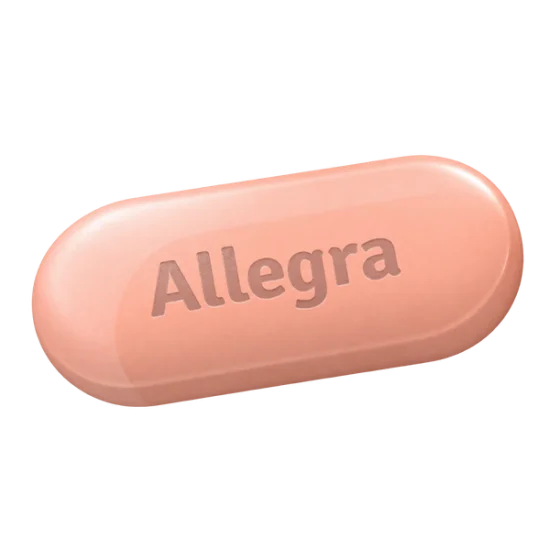
Allegra
Active ingredient: Fexofenadine
Delivery: from 4 days
- Only original products
- Worldwide Delivery
- 24/7 Support
By blocking histamine at peripheral H1 receptors, fexofenadine in Allegra helps reduce sneezing, runny nose, itchy eyes, and nasal irritation. Allegra tablets are used for allergic rhinitis and hives in adults, with a low tendency to cause drowsiness because fexofenadine reaches the brain only minimally.
Product information
Allegra contains fexofenadine, a second-generation antihistamine. It is used for symptoms linked to seasonal allergic rhinitis and chronic urticaria, including sneezing, watery eyes, nasal discharge, itching, and raised itchy wheals on the skin.
Therapeutic indications
It is used for symptoms linked to seasonal allergic rhinitis and chronic urticaria, including sneezing, watery eyes, nasal discharge, itching, and raised itchy wheals on the skin.
Allegra tablets can reduce itching caused by histamine release in conditions such as urticaria.
How it affects the body
Fexofenadine blocks the action of histamine without suppressing the immune system as a whole. Histamine is one of the main chemical messengers released during an allergic reaction. When it attaches to H1 receptors in the nose, eyes, and skin, it contributes to itching, swelling, mucus production, and redness.
Fexofenadine is a selective peripheral H1-receptor antagonist. In plain language, it occupies histamine receptors outside the brain and prevents histamine from producing its usual allergic effects. This reduces the signal that drives sneezing, runny nose, itchy eyes, nasal irritation, and hives.[1]
Allergic rhinitis begins when an allergen activates immune cells in the nasal lining. These cells release histamine and other inflammatory mediators. Histamine then increases sensory nerve stimulation, mucus secretion, and local blood-vessel permeability. Fexofenadine interrupts the H1-receptor part of that process, although it does not remove the allergen or cure the underlying tendency to allergy.
Second-generation antihistamines were developed to provide peripheral H1 blockade with less penetration into the central nervous system.
When not to use it
- Significant kidney impairment.
- Previous severe reaction to an antihistamine.
- Pregnancy or breastfeeding when the treatment choice has not been assessed.
- Use of sedatives, sleep medicines, or other drugs that impair alertness.
- Regular use of aluminium- or magnesium-containing antacids.
- Multiple medicines that can cause dizziness or reduced concentration.
- Unexplained recurrent hives, breathing symptoms, or swelling of the mouth and throat.
Antacids containing aluminium or magnesium can bind the medicine in the digestive tract and reduce its absorption. Fruit juices, including grapefruit, orange, and apple juice, may also reduce fexofenadine exposure in some circumstances by affecting intestinal transporters.
The EMA describes the need to consider cardiovascular and other contraindications when systemic decongestants are used.[3]
When this is not for you
Allegra may not be for you if you have had a previous serious allergic reaction to fexofenadine or any component of the tablet. Tell the prescriber about kidney disease before using fexofenadine. The usual approach may need adjustment even when the allergy symptoms themselves seem mild.
A person with high blood pressure should distinguish Allegra tablets from antihistamine-decongestant combinations. Pseudoephedrine is the component associated with vasoconstriction, increased pulse, and blood-pressure concerns.
Possible side effects
Allegra is designed to relieve allergy symptoms without the pronounced sedation associated with older antihistamines. Some people can still experience headache, tiredness, dizziness, or nausea, so the first doses deserve practical caution if driving or operating equipment.
Most people tolerate fexofenadine without major problems. Reported adverse effects include headache, nausea, dizziness, fatigue, and mild gastrointestinal discomfort. Drowsiness is less common than with older antihistamines, yet it can still occur.
Seek urgent help for facial or throat swelling, breathing difficulty, fainting, severe blistering rash, or rapidly progressive symptoms. These may indicate a serious hypersensitivity reaction, which requires urgent treatment rather than another routine dose.
Patients with kidney disease, older adults with several medicines, and people using sedatives need closer attention to tolerability. Alcohol can add to tiredness or dizziness even though fexofenadine is considered a low-sedation antihistamine.
Ingredients
Allegra contains fexofenadine, a second-generation antihistamine. It blocks histamine at peripheral H1 receptors and is used to relieve symptoms of seasonal allergic rhinitis and chronic urticaria, including sneezing, watery eyes, nasal discharge, itching, and raised itchy wheals.
Dosage and administration
The amount per intake is selected individually. The appropriate regimen depends on the patient’s age, symptoms, kidney function, other medicines, and the strength supplied.
Adult administration
- Swallow the tablet whole with water.
- Take it at the prescribed frequency.
- Keep the timing consistent from day to day.
- Do not crush or chew a tablet unless the specific product instructions allow it.
- Separate fexofenadine from aluminium- or magnesium-containing antacids because these can reduce absorption.
- If a dose is missed, take it when remembered unless the next scheduled dose is near. Do not double the next intake.
Fexofenadine may be taken with food in some regimens, but fatty meals can alter absorption. A pharmacist or prescriber may recommend a consistent relationship with meals so that exposure remains predictable.
Comparison
The most useful comparison is pharmacological rather than brand-based. Different antihistamines vary in brain penetration, duration, sedation potential, kidney handling, and interactions.
| Antihistamine approach | Main clinical feature | Main limitation |
|---|---|---|
| Fexofenadine | Peripheral H1 blockade with low sedative potential | Antacid separation and kidney-related dose considerations may matter |
| Cetirizine-type treatment | Strong relief for nasal and skin symptoms | Some people experience drowsiness |
| First-generation antihistamine | H1 blockade with additional sedative and anticholinergic effects | Greater impairment, dry mouth, blurred vision, and urinary difficulties |
Fexofenadine may suit people who need daytime allergy control and want to limit sedation. Cetirizine can be useful for nasal or skin symptoms but may make sensitive patients tired. First-generation antihistamines can cause more impairment and are less suitable when alertness, driving, or concentration is required.
The FDA prescribing information describes renal considerations and specific interaction concerns for fexofenadine-containing treatment.[2]
Common mistakes
Several practical errors can reduce the perceived benefit of Allegra:
- Taking it together with an aluminium- or magnesium-containing antacid.
- Using fruit juice when water would provide a more predictable administration method.
- Replacing the prescribed regimen with a larger amount after one difficult allergy day.
- Combining two antihistamines without checking for duplicate treatment.
- Assuming that a non-sedating classification guarantees zero drowsiness.
- Using an oral antihistamine for wheezing, throat swelling, or severe breathing difficulty.
- Giving an adult tablet to a child without age-appropriate instructions.
- Stopping after one dose when symptoms are linked to continued allergen exposure.
- Treating persistent fever, facial pain, or one-sided nasal obstruction as simple allergy.
A missed dose does not usually justify doubling the next one. Taking two products that contain antihistamines can also create unnecessary exposure, especially when a separate cold remedy is involved.
What doctors say
In clinical practice, doctors usually set expectations around symptom control rather than complete elimination of every allergy complaint. Fexofenadine can reduce histamine-driven symptoms, while ongoing exposure to pollen, dust mites, mould, or animal dander can continue to provoke inflammation.
A physician will usually ask whether the dominant problem is sneezing and itching, blocked nose, eye irritation, hives, or a mixture. That distinction matters because a tablet that helps histamine symptoms may not resolve severe congestion or lower-airway symptoms.
WHO educational material published in 2023 places allergic disease within a wider pattern of respiratory and environmental triggers. NICE guidance on allergic rhinitis also addresses symptom-based management. Reducing exposure, managing indoor air quality, and treating the dominant symptom pattern can complement antihistamine use without changing the medicine’s pharmacology.
Common questions
Can Allegra be taken with food or on an empty stomach?
Fexofenadine can be taken according to the prescribed regimen, but water is the most predictable drink for administration. High-fat meals and certain fruit juices can alter exposure, while aluminium- and magnesium-containing antacids can reduce absorption. FDA product information published in 2024 continues to identify these administration and interaction points for fexofenadine treatment. Keep the relationship with meals consistent if a prescriber has selected a regular schedule. A pharmacist can clarify the appropriate timing for a specific product.
How does Allegra differ from other antihistamines?
Allegra uses fexofenadine, a peripheral H1-receptor blocker with limited central nervous system penetration. Some alternatives have a greater tendency to cause drowsiness because they enter the brain more readily or have additional anticholinergic effects. The EMA’s antihistamine safety information, reviewed in 2025, supports considering sedation, comorbidities, and concurrent medicines when selecting treatment. The best option depends on the symptom pattern and the person’s response.
What is the best time of day to take Allegra?
The best time is the time that matches the prescribed schedule and the period when symptoms are most troublesome. People with daytime pollen symptoms may prefer a morning routine, while those with evening or overnight symptoms may use another schedule selected for them. WHO allergy information published in 2022 recognises that exposure patterns differ between patients and environments. Avoid changing the timing repeatedly because inconsistent administration makes symptom response harder to judge.
What should I do after a missed dose?
Take the missed dose when remembered if the next scheduled dose is not close. If the next dose is due soon, skip the missed intake and return to the regular schedule. The FDA patient information available in 2024 advises against doubling doses after a missed intake. A missed dose is not a reason to combine Allegra with another antihistamine.
Can alcohol be used while taking Allegra?
Alcohol may increase tiredness, dizziness, or reduced concentration even though fexofenadine has a low sedative profile. The risk is greater when alcohol is combined with sleep medicines, calming medicines, or other antihistamines. EMA medicine-safety principles published in 2025 support avoiding activities requiring full alertness when these effects occur. Avoid driving until you know how the combination affects you.
What should I do if the expected result does not appear?
Do not increase the amount independently or add another antihistamine without checking for duplication and interactions. Persistent symptoms may reflect severe nasal inflammation, infection, asthma, an unsuitable diagnosis, or continued exposure to the trigger. MOHAP clinical advice published in 2023 supports medical assessment for worsening symptoms, breathing difficulty, facial swelling, or treatment failure. Urgent care is needed for throat tightness, wheezing, faintness, or swelling of the lips and tongue.
Do you offer anonymous delivery?
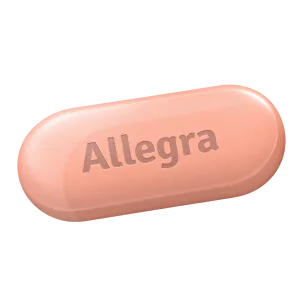
Your order will be securely packed and shipped within 24 hours. This is exactly what your package will look like (images of an actual item sent). It has the size and look of a regular private letter (24x11x0.7 cm) and its contents cannot be seen.
Comparison
How Buyers Rate Allegra
-
Waleed, 48 Sharjah 25 Oct 2026Rating: 3.5 out of 5I used Allegra during a dusty period and the sneezing settled after the first few doses. My nose felt less irritated, although I still had some blockage at night and felt slightly tired once.
-
Faisal, 52 Khor Fakkan 3 Nov 2026Rating: 4.5 out of 5The tablets helped with watery eyes and repeated sneezing during the pollen season. I could continue my normal morning routine and was pleased that I did not feel heavily drowsy.
-
Zubair, 56 Dubai · Over the following days 6 Nov 2026Rating: 4.5 out of 5I took Allegra for recurring hives and noticed fewer itchy patches over the following days. The improvement made sleep easier, and I did not experience the heavy sluggish feeling I had expected from an allergy tablet.
-
Saeed, 27 Jebel Ali 18 Nov 2026Rating: 3.5 out of 5It reduced my runny nose but did not clear the congestion completely. I also had a mild headache on one evening, so the result felt useful but only partial for my symptoms.
-
Mohammed, 39 Dubai Marina 23 Nov 2026Rating: 4 out of 5Allegra controlled the itching and sneezing that usually appeared after outdoor exercise. I liked being able to stay focused during the day, and the routine was simple to maintain.
Sources
- U.S. Food and Drug Administration (2011). Allegra (fexofenadine hydrochloride) Prescribing Information.
- U.S. Food and Drug Administration (2024). Fexofenadine Hydrochloride Drug Label Information.
- European Medicines Agency (2025). Pseudoephedrine-containing medicinal products: safety information.
