
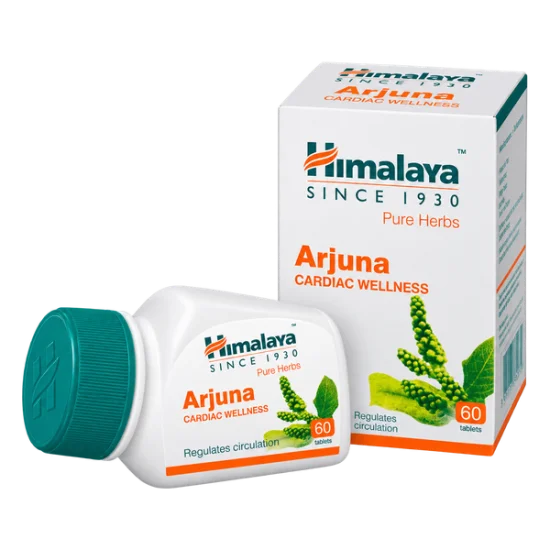
Arjuna
Active ingredient: Terminalia arjuna
Delivery: from 4 days
- Only original products
- Worldwide Delivery
- 24/7 Support
Arjuna herb supports normal cardiovascular function and circulation, and Arjuna is a herbal tablet product for adults seeking cardiac wellness support. Its botanical tradition centres on Terminalia arjuna, a tree bark used in Ayurvedic practice for heart and vascular health.
Product information
Its botanical tradition centres on Terminalia arjuna, a tree bark used in Ayurvedic practice for heart and vascular health.
Arjuna contains the botanical herb associated with Terminalia arjuna, commonly known as arjuna bark. The product is presented as tablets and belongs to the category of herbal cardiovascular wellness supplements rather than prescription heart medicines.
Therapeutic indications
Arjuna tablets may be considered by adults who want botanical support for cardiovascular wellbeing. People with chest pain, breathlessness, fainting, ankle swelling, or a newly diagnosed cardiac condition need medical assessment rather than self-directed supplementation.
Supportive use and realistic expectations
Arjuna may fit a wellness plan centred on:
- Maintaining general cardiovascular wellbeing.
- Supporting normal circulation.
- Complementing a balanced diet and regular physical activity.
- Continuing a long-term lifestyle programme focused on heart health.
- Providing a botanical option for adults who have discussed herbal use with a healthcare professional.
It should not be used to manage an acute cardiac symptom. New chest pressure, pain spreading to the arm or jaw, sudden sweating, severe breathlessness, collapse, or a fast irregular heartbeat requires urgent medical attention.
How it affects the body
Arjuna bark contains naturally occurring plant compounds, including tannins, flavonoids, triterpenoids, and other phytochemicals described in pharmacognosy research. These compounds have been studied for antioxidant activity and possible effects on vascular and cardiac tissues.
In plain language, the proposed action is supportive rather than a rapid drug-like effect. The herb may help maintain the body’s normal defence against oxidative stress and may support vascular function, while its precise clinical benefit varies between individuals.
Arjuna differs from prescription cardiovascular treatments because it is not designed to deliver one predictable pharmacological action, such as blocking a beta receptor, reducing platelet aggregation, or inhibiting an angiotensin-converting enzyme. Its use is broader and more traditional, with less predictable clinical intensity.
The World Health Organization describes medicinal plants within a traditional-use framework, where evidence quality differs between herbs and indications. Arjuna’s cardiovascular research includes laboratory studies, small clinical investigations, and reviews, but the evidence does not establish it as a substitute for standard cardiac treatment [2].
When not to use it
- Chest pain, fainting, severe breathlessness, or suspected heart attack.
- A known allergy to Arjuna or related plant materials.
- Pregnancy or breastfeeding without specific professional advice.
- Significant liver or kidney disease.
- A planned operation or invasive procedure.
- Treatment with medicines that affect blood pressure, heart rhythm, blood clotting, or blood sugar.
- A history of unexplained dizziness or recurrent low blood pressure.
- A diagnosed heart condition managed with several prescription medicines.
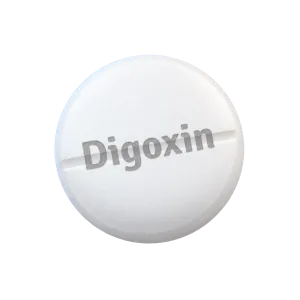
Possible interaction concerns include antihypertensive medicines, medicines used for rhythm control, cardiac glycosides, anticoagulants, antiplatelet medicines, and glucose-lowering treatment. The clinical importance of an interaction depends on the exact product, dose, and the person’s health status.
When this is not for you
Arjuna is not suitable for everyone. It is not for you if you have a condition or take medicines listed below without professional advice.
People with established cardiovascular disease should not stop, reduce, or replace prescribed treatment after starting Arjuna. The supplement can be discussed as an additional product within an existing care plan.
Possible side effects
Arjuna may be tolerated by many adults, but herbal products can still cause unwanted effects. Possible reactions include stomach discomfort, nausea, loose stools, constipation, headache, dizziness, or an allergic response.
A person may also notice a change in blood pressure or pulse, especially when Arjuna is combined with cardiovascular medicines or other products that influence circulation. The risk depends on the individual rather than on the tablet alone.
Stop using the product and seek urgent medical help for facial or throat swelling, trouble breathing, fainting, severe weakness, new chest pain, a very fast or irregular heartbeat, or signs of a serious allergic reaction.
Practical tolerability points include:
- Take the tablet with water rather than combining it with alcohol.
- Record new dizziness or unusual fatigue, especially after starting treatment.
- Avoid adding several circulation supplements together.
- Tell a healthcare professional about Arjuna before a planned procedure.
- Seek advice if digestive symptoms persist rather than continuing through worsening discomfort.
One detail patients often miss is that dizziness can have several causes, including low blood pressure, dehydration, missed meals, and interactions with medicines. It should not automatically be blamed on poor sleep or hot weather.
Ingredients
Traditional use focuses on circulation, cardiac tone, and general heart support. Modern research has examined antioxidant, vascular, and myocardial effects of Terminalia arjuna, though herbal evidence does not make the product a replacement for treatment of diagnosed heart disease [1].
The phrase “cardiac wellness” describes supportive use. It does not mean that Arjuna can treat a heart attack, replace blood-pressure treatment, dissolve arterial plaque, or correct a dangerous heart rhythm.
Dosage and administration
How much Arjuna to use and how often depends on the purpose of use and is agreed with a doctor or pharmacist. The tablets are taken orally.
- Use the agreed amount at the agreed frequency.
- Take each tablet with water.
- Keep the timing consistent from day to day.
- Do not take extra tablets to compensate for a missed dose.
- If a dose is missed, take the next scheduled dose unless a healthcare professional has given different instructions.
- Do not combine Arjuna with several new heart or circulation supplements at the same time.
The appropriate amount can differ according to age, medical history, concurrent medicines, and the reason for use. A person taking prescription cardiovascular treatment should avoid changing that treatment simply because Arjuna has been added.
Do not crush or chew a tablet unless a pharmacist or doctor has specifically confirmed that this is appropriate for the product. Altering a solid dose form can make swallowing harder and may change how quickly the tablet breaks apart.
Comparison
Arjuna occupies a different place from prescription treatment and lifestyle care. The comparison below concerns categories, not competing brands.
| Approach | Main role |
|---|---|
| Arjuna herbal tablets | Botanical support for cardiovascular wellness and circulation |
| Prescription cardiovascular treatment | Targeted management of diagnosed conditions such as hypertension, angina, rhythm disorders, or heart failure |
| Diet and physical activity | Foundational support for weight, blood pressure, metabolic health, and cardiovascular fitness |
Prescription treatment is preferred when a clinician has identified a condition requiring a measurable therapeutic effect. Lifestyle measures remain central because blood pressure, cholesterol, blood glucose, body weight, sleep, and activity levels all influence cardiovascular risk.
Arjuna may be used as an adjunctive wellness product when its inclusion has been considered alongside the person’s medical history. It should not be presented as an alternative to medicines prescribed for heart failure, coronary artery disease, hypertension, arrhythmia, or blood-clot prevention.
The European Medicines Agency evaluates herbal substances through evidence and traditional-use frameworks, while national health authorities such as MOHAP oversee health-product regulation in the UAE. These roles do not turn a botanical supplement into a prescription treatment.
Common mistakes
Several everyday mistakes can make Arjuna harder to assess or less suitable.
- Using it for emergency symptoms. A herbal tablet cannot provide emergency treatment for chest pain, collapse, or severe breathlessness.
- Replacing prescribed medicines. Stopping blood-pressure, rhythm, cholesterol, or blood-thinning treatment can create serious risk.
- Combining several circulation products. Multiple products may contain overlapping cardiovascular ingredients or produce additive effects.
- Taking extra tablets after a missed dose. This increases exposure without guaranteeing better support.
- Ignoring dizziness. Repeated light-headedness may indicate low blood pressure, dehydration, an interaction, or another illness.
- Failing to mention herbal use before surgery. A surgical team needs a complete list of medicines and supplements.
- Judging the result after one day. Wellness support should be assessed over a consistent routine, not through a single symptom or blood-pressure reading.
- Assuming “pure herbs” means risk-free. Plant-based products can still cause allergy, digestive effects, and interactions.
A common practical error is taking the supplement at the same time as every other tablet without tracking what changed. Spacing products may sometimes help with tolerability, but it does not remove the need to assess interactions.
Another mistake is using exercise tolerance as the only measure of cardiovascular health. People can feel well while blood pressure, cholesterol, or blood glucose remains outside a healthy range.
What doctors say
In clinical practice, doctors usually focus first on the condition behind a circulation complaint. Tiredness, swollen ankles, reduced exercise tolerance, palpitations, and breathlessness can arise from different causes, including anaemia, thyroid disease, lung conditions, medication effects, or heart disease.
A doctor would usually expect a cardiovascular wellness supplement to play a supporting role. The aim is not an immediate change in chest symptoms or a rapid reduction in blood pressure.
The product may be easier to assess when the person keeps a consistent routine. Avoid introducing multiple supplements at once. Record blood pressure and pulse consistently. Note symptoms and exercise tolerance. Discuss relevant laboratory results with a healthcare professional rather than relying on impressions from one or two days.
Clinical decisions also depend on age and treatment burden. A 30-year-old adult with no diagnosis has a different risk profile from a 70-year-old person using medicines for heart failure or atrial fibrillation.
The American Heart Association’s 2023 scientific material on cardiovascular prevention supports attention to modifiable factors such as activity, diet, blood pressure, lipids, diabetes, tobacco exposure, and sleep. Those measures remain the foundation around which any herbal wellness product should be considered [3].
Common questions
Can Arjuna tablets be split, crushed, or chewed?
Arjuna tablets should be swallowed whole unless a doctor or pharmacist has confirmed that altering them is suitable. Splitting, crushing, or chewing can make a tablet harder to use consistently and may affect how the ingredients are released. The WHO herbal-medicine monograph framework from 1999 treats the dosage form as part of safe administration, while MOHAP guidance in 2026 supports discussing formulation-specific concerns with a healthcare professional.
How long does one Arjuna dose keep working?
Arjuna is a herbal wellness product, so one tablet should not be expected to produce a clearly defined, rapid period of action like some prescription medicines. The perceived effect may depend on the reason for use, regularity, diet, activity, and concurrent treatment. A review with a healthcare professional, informed by World Health Organization guidance from 2004, can help determine whether the intended benefit is plausible and whether continued use is appropriate.
Can Arjuna be taken with food or on an empty stomach?
Taking Arjuna with water and food may be more comfortable for people who develop stomach upset when taking herbal tablets. The best routine depends on the person’s tolerance and the other medicines or supplements used during the day. WHO material from 1999 describes food and administration conditions as relevant practical factors for herbal preparations, while MOHAP guidance from 2024 can provide information about UAE regulatory questions.
Which condition rules Arjuna out?
New or unexplained chest pain rules out self-treatment with Arjuna and requires urgent medical assessment. The same applies to fainting, severe breathlessness, sudden weakness, or a new fast or irregular heartbeat. The WHO’s 1999 safety approach for medicinal plants supports separating urgent symptoms from traditional wellness use rather than delaying assessment with a supplement.
Can Arjuna affect driving, concentration, or machinery work?
Some people may experience dizziness, headache, fatigue, or stomach discomfort, which can make driving or machinery work unsafe. Do not drive or operate machinery until you know how the tablets affect you, especially when starting them or combining them with cardiovascular medicines. MOHAP guidance from 2024 places personal safety during daily activities alongside responsible use of health products.
Which diet, exercise, or habits may help or hinder the result?
Regular walking or other suitable activity, a balanced eating pattern, adequate sleep, and avoidance of tobacco support cardiovascular health more reliably than a supplement alone. Excess alcohol, dehydration, very salty food, inactivity, and poor sleep can work against those goals. The American Heart Association’s 2023 prevention guidance identifies these lifestyle factors as central to cardiovascular risk reduction, while Arjuna remains supportive rather than curative.
Do you offer anonymous delivery?
Your order will be securely packed and shipped within 24 hours. This is exactly what your package will look like (images of an actual item sent). It has the size and look of a regular private letter (24x11x0.7 cm) and its contents cannot be seen.
Comparison
How Buyers Rate Arjuna
-
Adnan, 33 Dubai Marina · Several weeks 25 Oct 2026Rating: 5 out of 5I used one Arjuna tablet daily for several weeks. I used Arjuna tablets as part of a regular morning routine for several weeks. I felt more comfortable during my usual evening walks and liked that the routine was simple to maintain.
-
Majid, 59 Dubai · Several weeks 4 Nov 2026Rating: 4 out of 5I took one Arjuna tablet daily for several weeks. I took Arjuna consistently alongside my usual healthy eating plan. After several weeks, I felt more confident with light activity and was satisfied with how easily the tablets fitted into my day.
-
Nadeem V., 66 Dibba Al-Fujairah · A period of time 7 Nov 2026Rating: 3 out of 5I used one Arjuna tablet daily for several weeks. I used the tablets for a period of time and noticed some benefit in general energy, although the change was gradual rather than dramatic. I also had mild stomach discomfort on a few days, so I became more careful about taking it with water and food.
-
Ahmed, 37 Khor Fakkan · Several weeks 17 Nov 2026Rating: 5 out of 5I took one Arjuna tablet daily for several weeks. Arjuna became part of my daily wellness routine. I felt that my circulation and stamina were better during weekend walks, and the tablets were easy to take.
-
John, 47 Abu Dhabi · Several weeks 23 Nov 2026Rating: 3 out of 5I took one Arjuna tablet daily for several weeks and noticed a modest improvement in my energy, but I did not see a clear change in my circulation. I stopped after discussing the limited benefit with a doctor instead of increasing the amount myself.
Sources
- World Health Organization (1999). WHO Monographs on Selected Medicinal Plants, Volume 1.
- World Health Organization (2004). WHO Guidelines on Safety Monitoring of Herbal Medicines in Pharmacovigilance Systems.
- American Heart Association (2023). Life’s Essential 8: Updating and Enhancing the American Heart Association’s Construct for Cardiovascular Health.
