
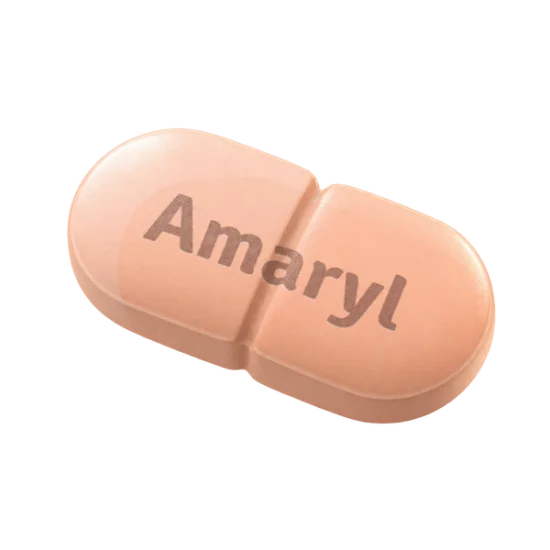
Amaryl
Active ingredient: Glimepiride
Delivery: from 4 days
- Only original products
- Worldwide Delivery
- 24/7 Support
Amaryl is taken by mouth as a tablet, usually with the first main meal, to help control blood glucose in adults with type 2 diabetes mellitus. Its active ingredient, glimepiride, is a second-generation sulfonylurea that stimulates insulin release from pancreatic beta-cells.
Product information
Glimepiride works only when functioning pancreatic beta-cells can release insulin. It is not used to treat type 1 diabetes or diabetic ketoacidosis. The dose is decided individually, taking age, other medicines and health conditions into account.
Amaryl belongs to the insulin-secretagogue group of oral diabetes treatments. Unlike medicines that mainly reduce glucose production or delay carbohydrate absorption, glimepiride increases the amount of insulin released after glucose levels rise.
Therapeutic indications
It is used alongside suitable nutrition and physical activity when lifestyle measures alone do not provide adequate glycaemic control [1].
How it affects the body
Glimepiride attaches to a regulatory site associated with ATP-sensitive potassium channels on pancreatic beta-cells. This changes the electrical state of the cell, opens calcium channels, and promotes insulin secretion. Insulin then helps glucose move from the bloodstream into muscle and fat cells.
The main pharmacological effects include:
- Increased insulin release from pancreatic beta-cells.
- Improved use of glucose by peripheral tissues.
- Reduced hepatic glucose output through insulin-mediated metabolic control.
- Better post-meal glucose handling when a suitable meal pattern is maintained.
Glimepiride has an extra-pancreatic component as well. Laboratory and clinical pharmacology data describe increased insulin sensitivity at peripheral target sites, although the insulin-releasing effect remains central to its action. The medicine does not supply insulin directly.
The European Medicines Agency describes sulfonylurea-related hypoglycaemia as a clinically relevant risk requiring appropriate dose selection and monitoring [2].
When not to use it
Amaryl is not suitable for a person with any of the following conditions:
- Type 1 diabetes.
- Diabetic ketoacidosis.
- Diabetic coma or pre-coma.
- Known hypersensitivity to glimepiride.
- Previous serious reaction to a sulfonylurea or related sulfonamide medicine.
- Severe hypoglycaemia that has not been stabilised.
- Severe kidney or liver impairment requiring a different diabetes strategy.
Pregnancy and breastfeeding require a separate treatment assessment because glucose targets and medicine choices change during these periods. Glimepiride is not a substitute for insulin when insulin treatment is clinically required.
Medicines and substances that may increase the glucose-lowering effect include salicylates, some sulfonamides, insulin, other antidiabetic medicines, and certain anti-infective treatments. A combination can require closer glucose monitoring and dose adjustment.
Medicines that may reduce or mask the effect of glimepiride include some corticosteroids, thyroid hormones, sympathomimetic medicines, and selected diuretics. Beta-blockers may reduce awareness of warning symptoms such as a fast heartbeat. Warfarin and other medicines with a narrow therapeutic range may require additional monitoring when diabetes treatment changes.
When this is not for you
Amaryl is NOT for you if you have type 1 diabetes, diabetic ketoacidosis, or recurrent severe hypoglycaemia. Glimepiride offers oral administration and a direct glucose-lowering effect, while its main limitation is the possibility of hypoglycaemia, especially when meals are irregular or kidney function is reduced.
Tell the prescribing clinician about kidney disease, liver disease, adrenal or pituitary problems, irregular meals, alcohol use, recurrent low glucose, and every medicine or supplement being taken. The World Health Organization identifies medication review, education, and monitoring as important elements of safe diabetes care [4].
Possible side effects
Hypoglycaemia is the principal safety concern with Amaryl. It can cause sweating, trembling, hunger, palpitations, irritability, headache, dizziness, blurred vision, weakness, confusion, drowsiness, or difficulty speaking. Severe hypoglycaemia may lead to seizures or loss of consciousness.
For a person who is awake and able to swallow, a rapid source of carbohydrate is commonly used according to the individual diabetes plan. Glucose should then be rechecked when appropriate, with further food taken if the next meal is not imminent. Severe symptoms require urgent medical assistance, especially when the person cannot swallow safely.
Other reported adverse effects include:
- Dizziness.
- Asthenia, meaning unusual weakness or reduced strength.
- Headache.
- Nausea.
- Gastrointestinal discomfort.
- Temporary visual changes related to changing glucose levels.
- Allergic or skin reactions, including itching or rash.
A fall in glucose can feel like anxiety. These symptoms can resemble anxiety, so checking glucose helps distinguish the causes. Sweating, shaking, sudden hunger, and confusion after a delayed meal point toward possible hypoglycaemia and should prompt a glucose check when available.
Alcohol can make glucose control less predictable and may mask early warning symptoms. Intense or unplanned exercise can also lower glucose during the activity or several hours later. Illness may produce the opposite pattern by raising glucose through stress hormones, even when food intake falls.
Hypoglycaemia becomes more concerning in older adults and people with kidney or liver impairment because glimepiride may remain active for longer or be cleared less predictably. The U.S. Food and Drug Administration describes hypoglycaemia, hypersensitivity reactions, and gastrointestinal complaints among the clinically relevant safety considerations for glimepiride [3].
Ingredients
Amaryl contains the active ingredient glimepiride, a second-generation sulfonylurea and oral insulin-secretagogue. It stimulates functioning pancreatic beta-cells to release more insulin after blood glucose rises. Its use is intended for adults with type 2 diabetes when suitable nutrition and physical activity alone do not provide adequate glycaemic control.
Dosage and administration
The prescribed dose of Amaryl is taken orally, with or shortly before the first substantial meal of the day. Taking it at a consistent time helps coordinate insulin release with food intake.
Dose selection is based on:
- Fasting and post-meal glucose readings.
- Glycated haemoglobin, known as the A1C test.
- Age and kidney function.
- Liver function.
- Meal regularity and physical activity.
- Other glucose-lowering medicines.
- Previous episodes of hypoglycaemia.
The dose is increased or reduced by the treating clinician according to glucose results and tolerability. A person should not make repeated dose changes in response to one isolated reading, because glucose varies with meals, exercise, illness, stress, and sleep.
Take the tablet with water. Do not take an extra tablet after a missed dose. If the next scheduled dose is approaching, the missed dose is generally omitted rather than doubled. The exact action depends on the timing, the prescribed regimen, and the person’s glucose readings.
Tablets should be swallowed as directed. Altering, crushing, or chewing a tablet can be unsuitable when the specific formulation is intended to be swallowed whole. The safest routine is to use the tablet in its supplied form unless a clinician or medicine information source has given a different instruction.
Comparison
Glimepiride, metformin, glipizide, and insulin preparations act through different pathways. The choice depends on glucose patterns, kidney and liver function, body weight, cardiovascular status, meal habits, and the risk of hypoglycaemia.
| Treatment category | Main pharmacological action | Practical distinction |
|---|---|---|
| Glimepiride | Stimulates pancreatic insulin release and may improve peripheral insulin sensitivity | Can reduce glucose effectively but carries a meaningful hypoglycaemia risk |
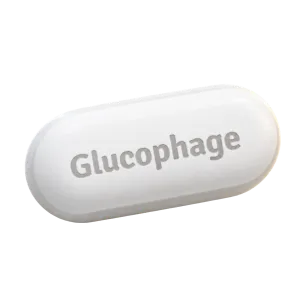
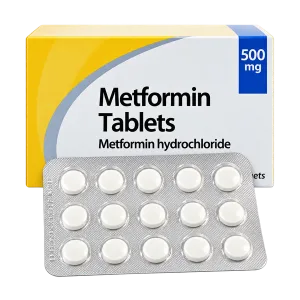
| Metformin | Reduces hepatic glucose production and improves insulin sensitivity | Does not usually stimulate insulin release directly; gastrointestinal symptoms can occur |
Glipizide is another sulfonylurea and also stimulates insulin secretion. Glimepiride and glipizide therefore share a broad mechanism, although their dosing schedules and pharmacokinetic profiles differ. Switching between them requires a planned regimen rather than a tablet-for-tablet substitution.
Metformin is pharmacologically different. It mainly reduces excessive glucose production by the liver and improves insulin sensitivity. It does not rely on stimulating beta-cells to the same extent as glimepiride. For many adults with type 2 diabetes, NICE clinical guidelines place metformin within an early treatment pathway, while a sulfonylurea may be selected when a clinician considers rapid glucose lowering, access, tolerability, or treatment history.
Common mistakes
Several everyday mistakes can make glimepiride appear ineffective or increase its risks:
- Taking the tablet and then skipping the meal.
- Doubling the next dose after forgetting one.
- Changing the dose after one high glucose reading.
- Treating dizziness as ordinary tiredness without checking for low glucose.
- Drinking alcohol while eating less than usual.
- Failing to mention non-prescription pain medicines or supplements.
- Exercising much longer than usual without an agreed glucose plan.
- Stopping glucose monitoring because symptoms have improved.
- Ignoring repeated low readings because they resolve after eating.
- Using someone else’s dose because the tablets appear similar.
Crushing or chewing tablets without confirming that the formulation allows it is another avoidable error. Swallowing the tablet with water and keeping the administration routine consistent reduces unnecessary variation.
What doctors say
In clinical practice, physicians usually focus first on whether the patient eats regular meals and recognises low-glucose symptoms. Glimepiride can be useful when insulin secretion remains sufficient, yet its benefit is limited if the pancreas can no longer produce enough insulin.
Doctors also look at the patient’s daily routine. A person who works rotating shifts, skips breakfast, performs prolonged physical labour, or has unpredictable appetite may need a treatment plan with a lower hypoglycaemia burden.
The response is judged by glucose patterns and A1C, not by symptoms alone. Some people feel no different when glucose improves, while others notice less thirst, less frequent urination, or more stable energy. Those changes do not replace glucose testing. A consistent log helps separate genuine treatment response from day-to-day variation. Clinicians can use that pattern when reviewing the regimen.
Clinicians commonly review the regimen after illness, major weight change, a new kidney problem, a change in work hours, or the addition of another glucose-lowering medicine. These events can alter the balance between the Amaryl dose, food intake, and insulin requirements.
Common questions
Does Amaryl cause low blood sugar?
Yes. The EMA's 2012 product information describes glimepiride and other sulfonylureas as medicines that can cause hypoglycaemia, especially when food intake is reduced or another glucose-lowering treatment is added . Symptoms may include sweating, shaking, hunger, dizziness, blurred vision, confusion, and weakness. Repeated or severe episodes require a review of the dose, meal pattern, kidney function, and interacting medicines.
Can people under 18 use Amaryl?
Amaryl is generally intended for adults with type 2 diabetes rather than routine use in children or adolescents. The EMA's 2012 product information indicates that paediatric evidence for glimepiride is limited, and treatment choices for younger patients follow specialist diabetes guidance. A child or teenager should not use an adult’s tablets or dose without a paediatric diabetes specialist directing the treatment.
What should be discussed with a doctor before starting Amaryl?
The prescriber should know about kidney or liver disease, previous low-glucose episodes, irregular meals, alcohol intake, pregnancy, breastfeeding, and all medicines or supplements. The FDA's 2019 label for glimepiride describes dose selection in relation to glycaemic response, tolerability, age, renal function, and hepatic function. A baseline review helps identify whether a sulfonylurea is suitable and establishes how glucose will be monitored.
Can Amaryl be combined with other medicines or supplements?
Glimepiride can be combined with other diabetes treatments in selected regimens, but the risk of hypoglycaemia may increase. Salicylates, sulfonamides, insulin, and some other glucose-lowering medicines can strengthen the glucose-lowering effect, while beta-blockers may mask warning symptoms. The WHO's 2020 diabetes care framework supports reviewing the full medication list when treatment is started or changed.
Does Amaryl affect driving, concentration, or machinery work?
Low glucose can impair concentration, reaction time, vision, and judgement, so driving or operating machinery becomes unsafe during hypoglycaemia. The American Diabetes Association recommends attention to glucose awareness and prevention of low readings in people whose work or travel involves safety-sensitive tasks. A person should recognise their warning symptoms, carry a rapid carbohydrate source, and avoid driving if symptoms or impaired concentration are present.
Can an Amaryl tablet be split, crushed, or chewed?
The tablet should be swallowed in the manner intended for its formulation unless a clinician or medicine information source has specifically confirmed that splitting is suitable. Crushing or chewing can alter how a tablet is handled and may produce inaccurate dosing if the tablet is not designed for that use. The EMA's 2012 product information for glimepiride supports administration as an oral tablet with a meal, while any tablet-splitting decision should take the exact formulation and prescribed dose into account.
Do you offer anonymous delivery?
Your order will be securely packed and shipped within 24 hours. This is exactly what your package will look like (images of an actual item sent). It has the size and look of a regular private letter (24x11x0.7 cm) and its contents cannot be seen.
Comparison
How Buyers Rate Amaryl
-
Rashid F., 67 Ruwais · Several weeks 25 Oct 2026Rating: 1.5 out of 5I used Amaryl for several weeks but did not feel that my glucose was improving enough. The low readings were also worrying on days when I ate less, so I stopped using it and discussed the pattern with my diabetes doctor.
-
Sultan A., 39 Al Khawaneej · The following weeks 2 Nov 2026Rating: 4 out of 5After starting the tablets, my morning readings became more stable over the following weeks. I kept the tablet with my first proper meal and found that routine easy to maintain.
-
James, 50 Ras Al Khaimah 10 Nov 2026Rating: 4.5 out of 5Amaryl fitted my daily schedule better than I expected. I noticed fewer very high readings after meals and felt satisfied with the improvement shown in my glucose log.
-
Mark V., 42 Al Majaz 18 Nov 2026Rating: 4 out of 5The main benefit for me was having an oral option that worked with my regular breakfast routine. My readings became more predictable, which made planning workdays easier.
-
Anil, 34 Umm Al Quwain 23 Nov 2026Rating: 3.5 out of 5The medicine helped lower my readings, but I had a few episodes of shakiness when lunch was delayed. I became more careful with meal timing and raised the issue during my next clinical review.
Sources
- European Medicines Agency (2012). Summary of Product Characteristics (SmPC) — Amaryl / glimepiride.
- European Medicines Agency (2013). Summary of Product Characteristics (SmPC) — glimepiride.
- U.S. Food and Drug Administration (2019). Glimepiride Tablets — Prescribing Information.
- World Health Organization (2020). WHO Package of Essential Noncommunicable Disease Interventions for Primary Health Care.
